
Information: Mein Baum
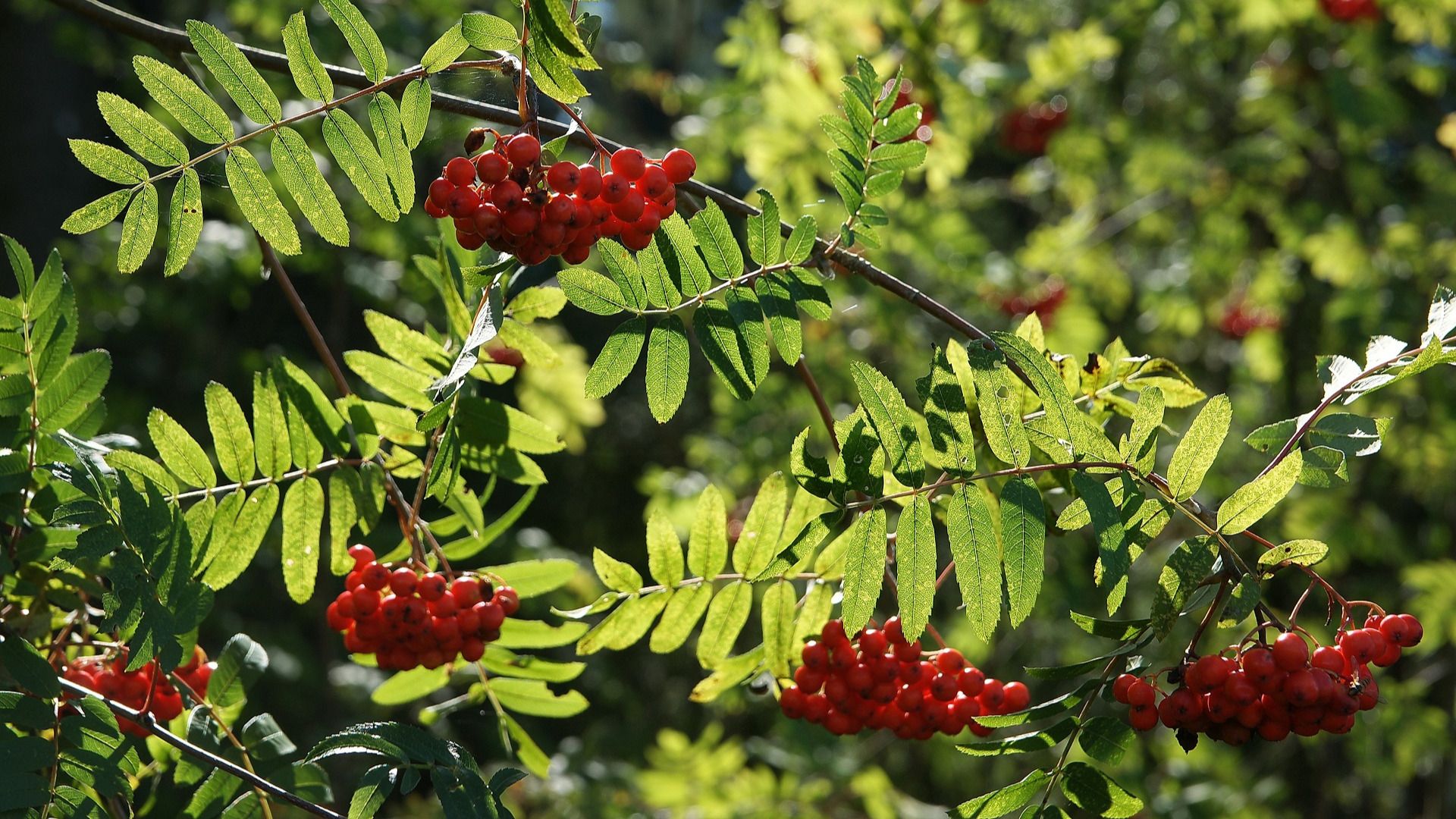
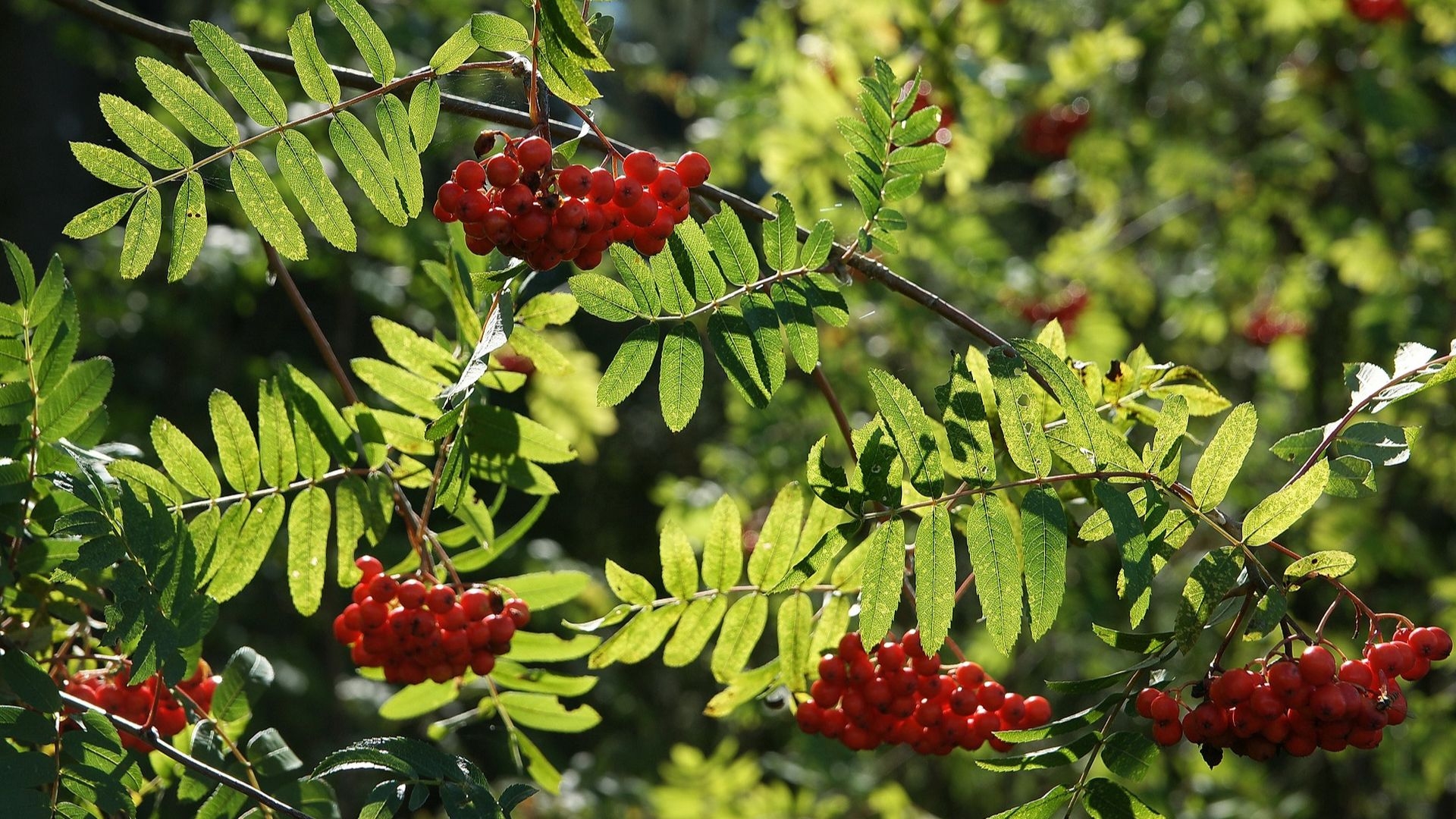
Sorbus aucupariaHeight: up to 15 mTrunk: small tree, often multi-stemmed, slender trunk, smooth, silver-grey to yellowish-grey bark, becoming scaly and fissured with age due to lenticelsCrown: loose, broad, irregular crownLeaves: alternate, imparipinnate leaves (up to 20 cm long) with 9–17 leaflets (each approx. 6 cm), oblong-oval, pointed individual leaflets, entire at the base, sharply toothed toward the tip, densely hairy or glabrous on the underside, petiolate up to 3 cm longBuds...
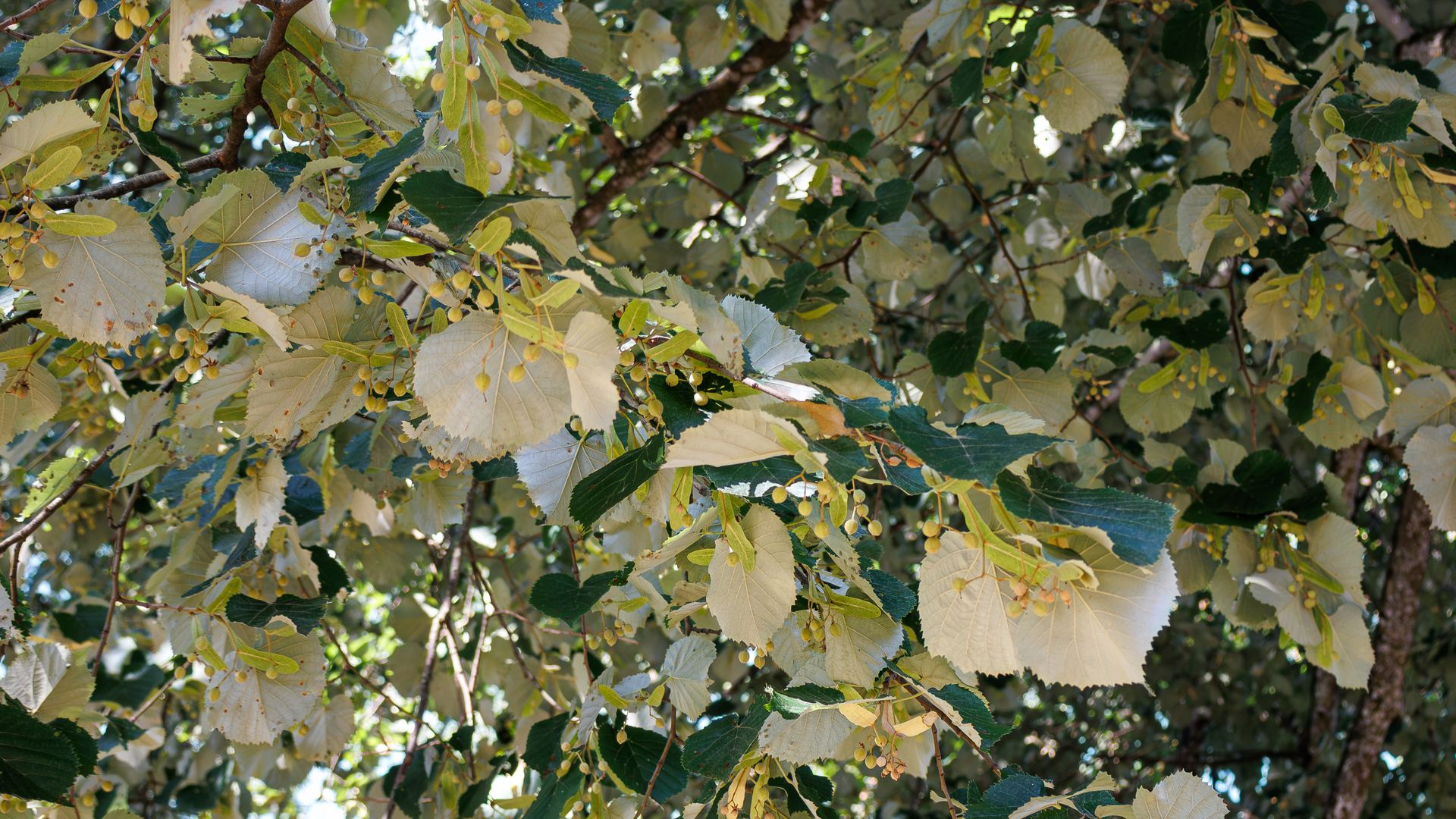
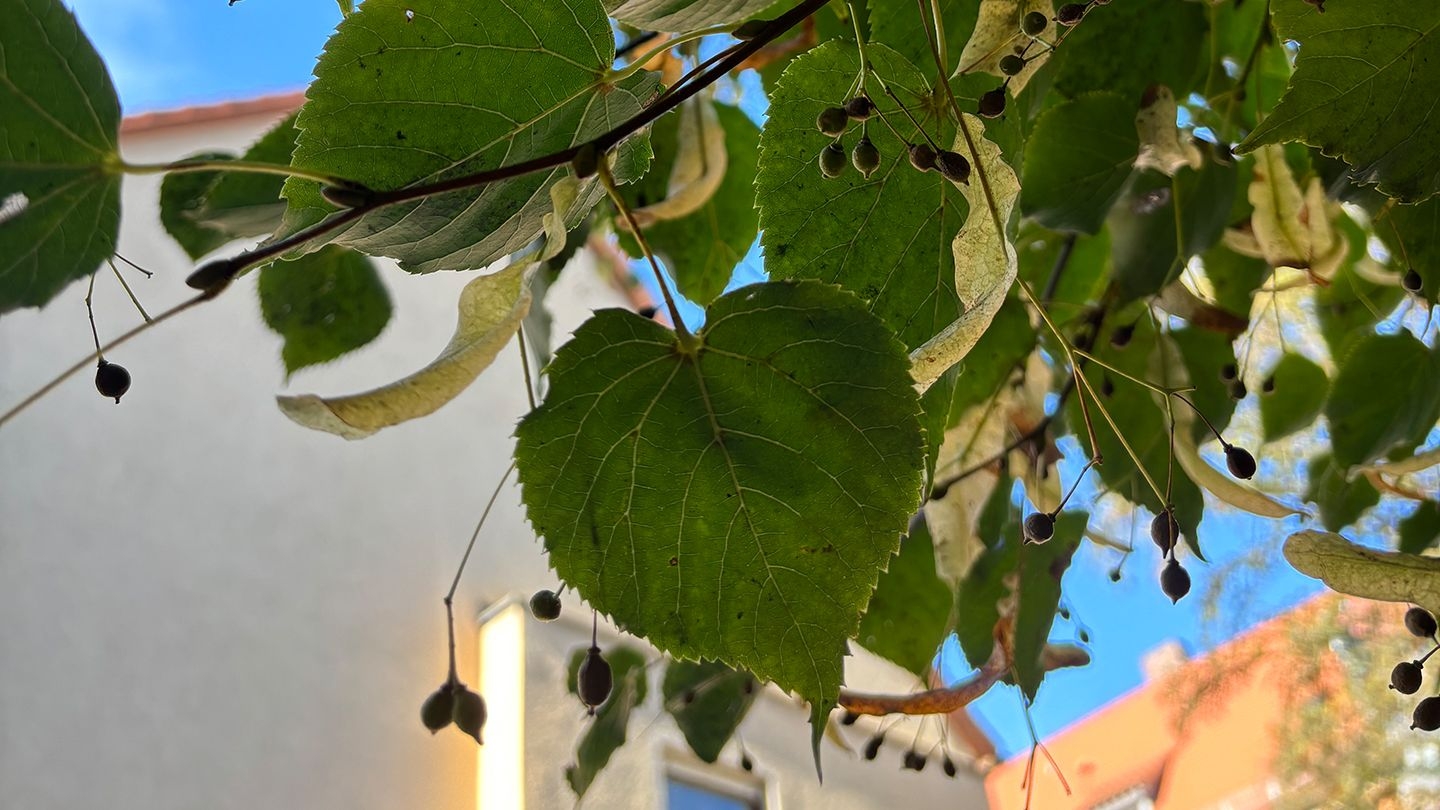
Tilia tomentosa Height: up to 30 mTrunk: grey bark, longitudinally fissuredLeaves: alternate, oblique-heart-shaped, approx. 7–15 cm long, strongly asymmetrical blade, angled, serrated margin with a dark green upper surface, distinctly lighter, silvery-shimmering, white-felted undersideBuds: egg-shaped, hairyFlowers: yellowish-white, in drooping, corymbose inflorescences, in July/August (later than native species), strongly fragrant, valuable for pollinatorsFruits/Seeds: small...
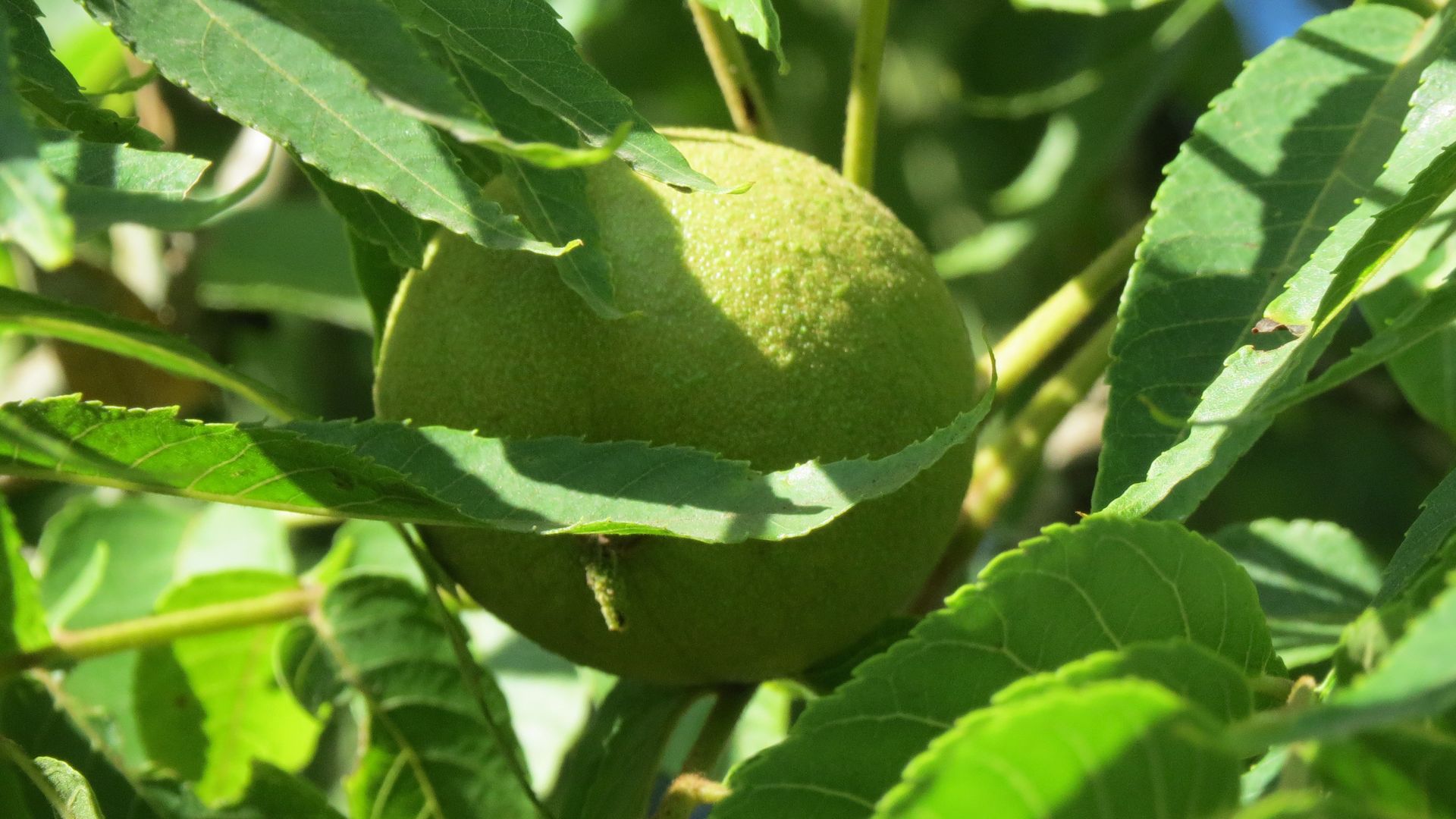
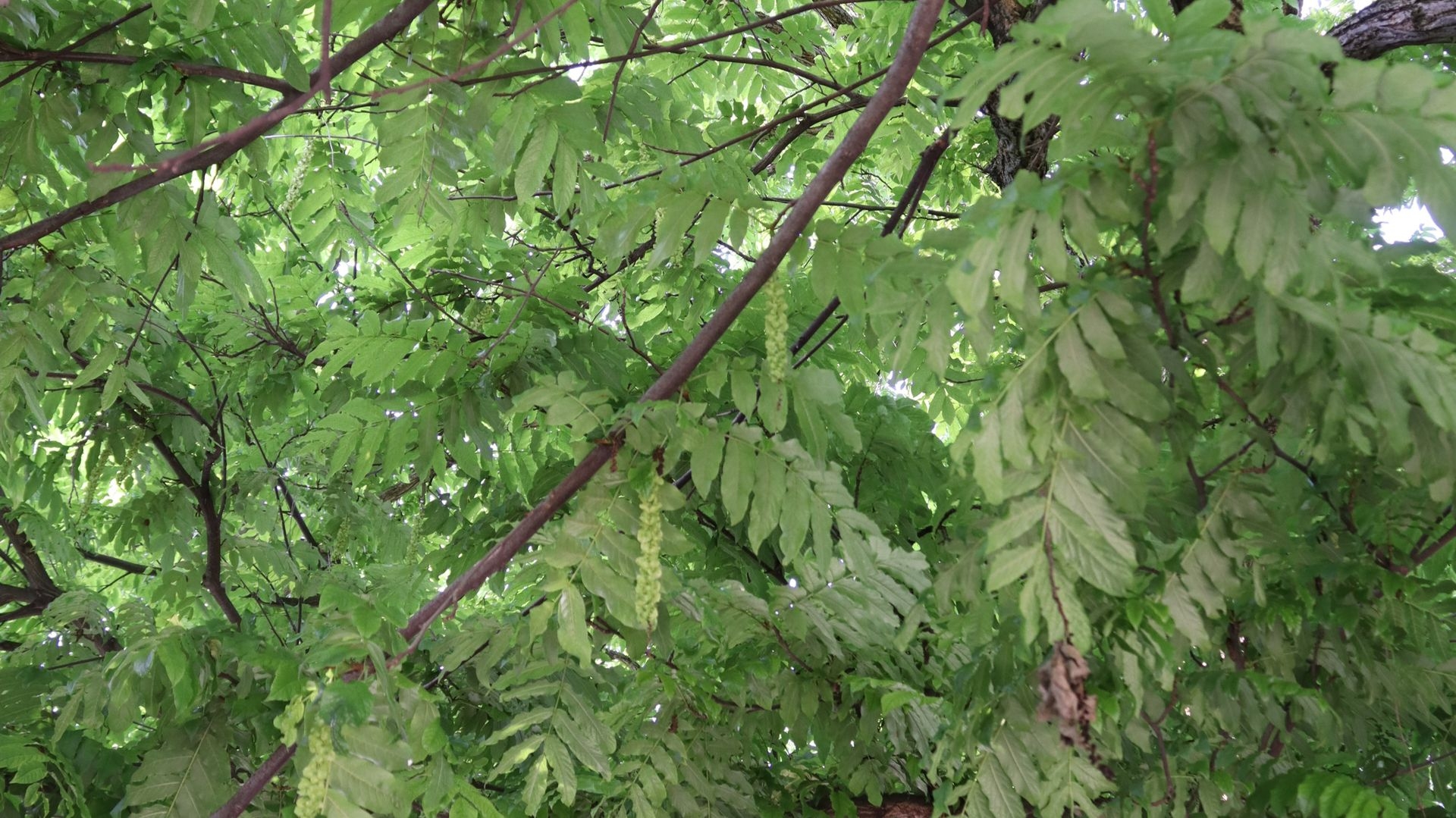
Juglans nigraHeight: up to 25 mTrunk: dark bark, deeply furrowed lengthwiseCrown: broad, pyramidal, widely spreadingLeaves: alternate, imparipinnate, 30–50 cm long with 9–17 oblong-ovate leaflets (each approx. 5–11 cm long), terminal leaflet usually smaller or absentFlowers: yellow-green male catkins, hanging limply; inconspicuous female flowers at the tips of young shoots Fruits/Seeds: edible, brown to blackish-brown nuts in clusters of 2–3 at the tips, roundish-oval, 4–5 cm...
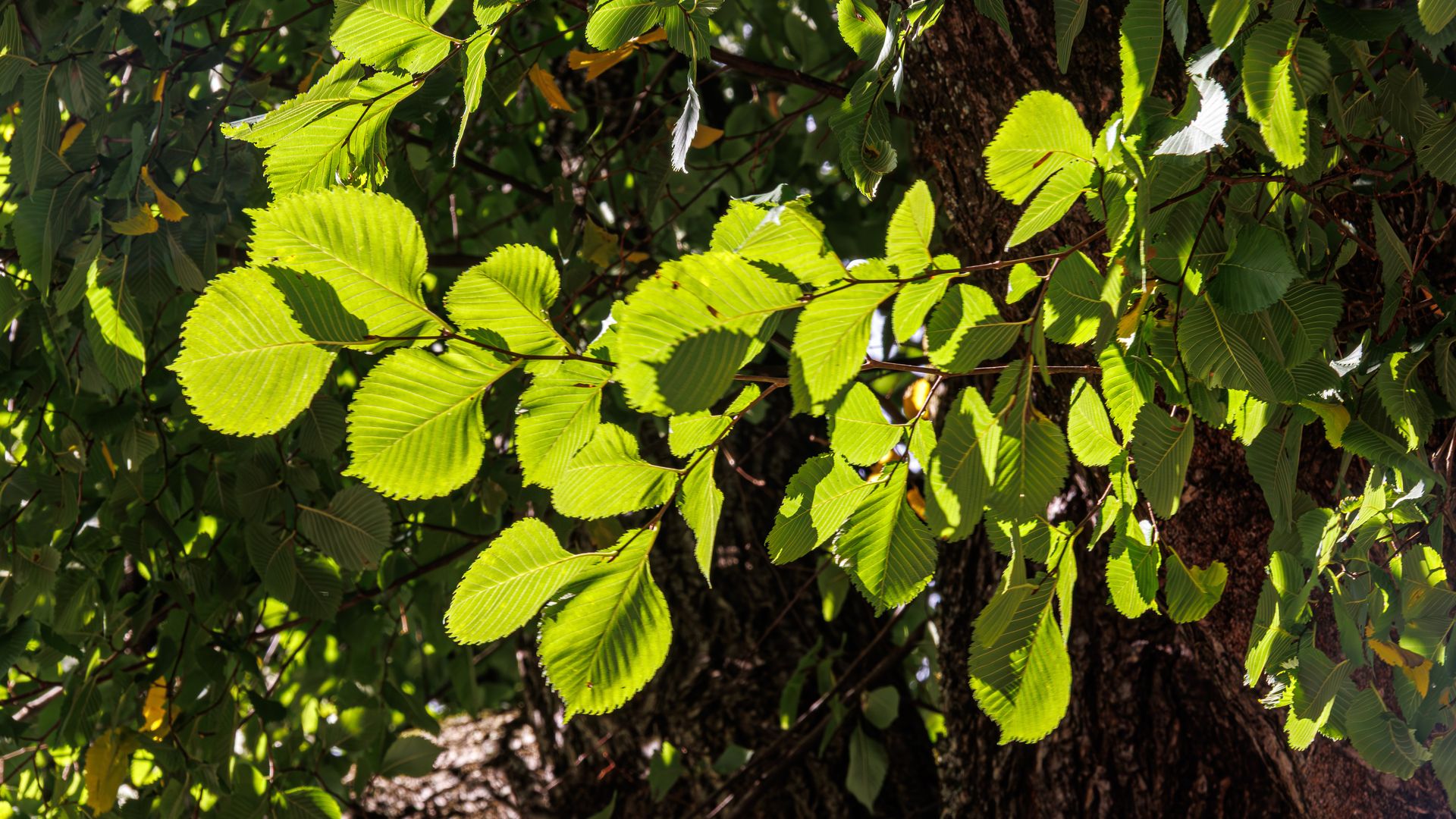
Ulmus laevisHeight: up to 30 mTrunk: initially reddish-brown, later greyish-brown, longitudinally fissured with flat scalesCrown: loose, irregular crownLeaves: alternate, asymmetrical leaf base, obovate, approx. 7–12 cm long, pointed tip, upper surface glossy dark green, lower surface lighter and slightly hairy, doubly serrated margin, short-stalkedBuds: conical, with dark marginsFlowers: hermaphroditic; small, long-stalked, dense, greenish to violet flower clusters, in March/April...
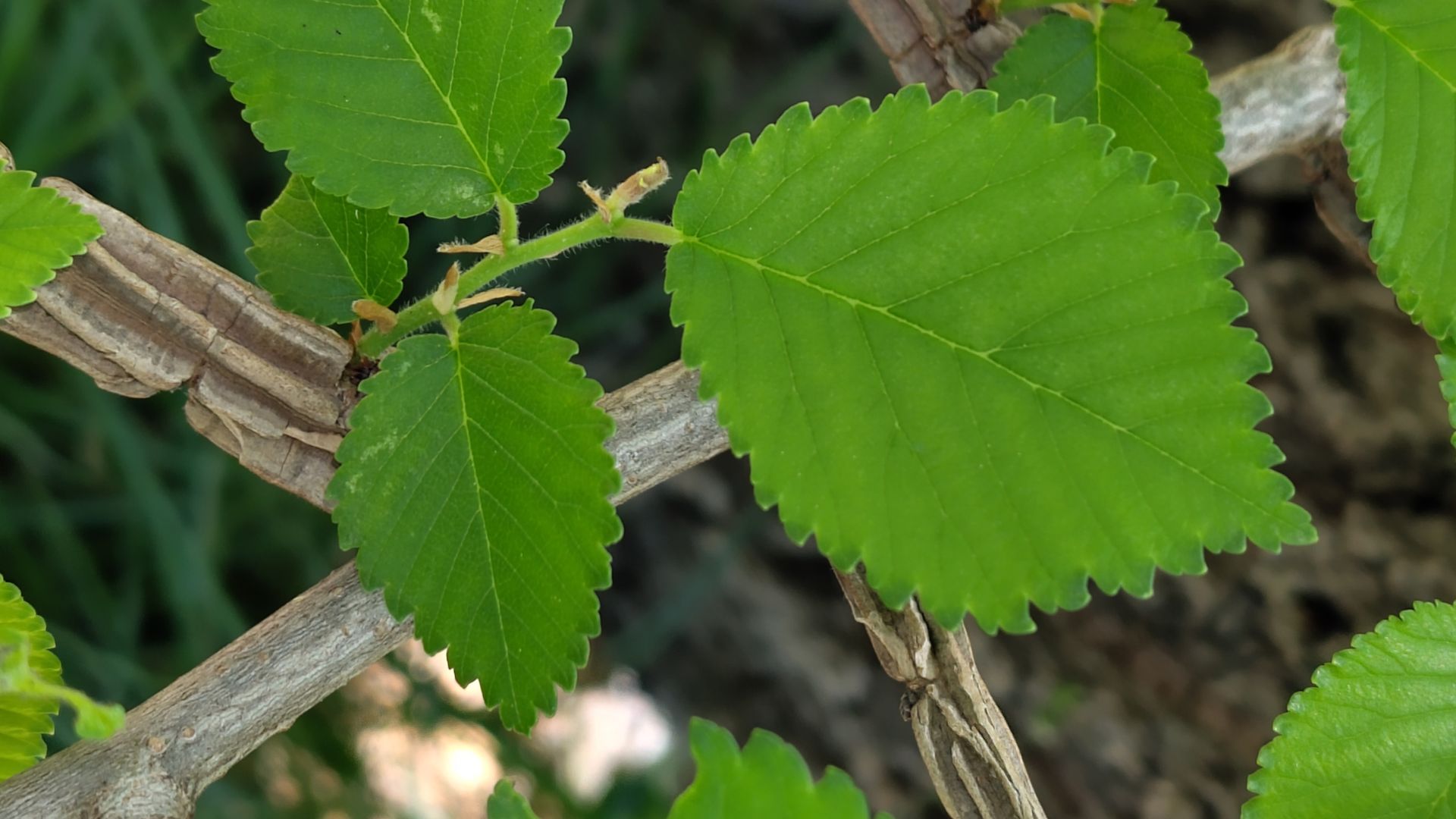
Ulmus minorHeight: up to 30 mTrunk: grey-brown bark; with age, thick, longitudinally fissured, deeply furrowed bark; occasionally multi-stemmedCrown: slender, dense crownLeaves: alternate, asymmetrical leaf base, obovate, approx. 5–10 cm long, pointed tip, upper surface glossy dark green, double-serrated margin, petiolateBuds: small, spherical, blackish-brownFlowers: hermaphroditic; small, long-stalked, dense, brownish clusters of flowers, in March/April before leaf...
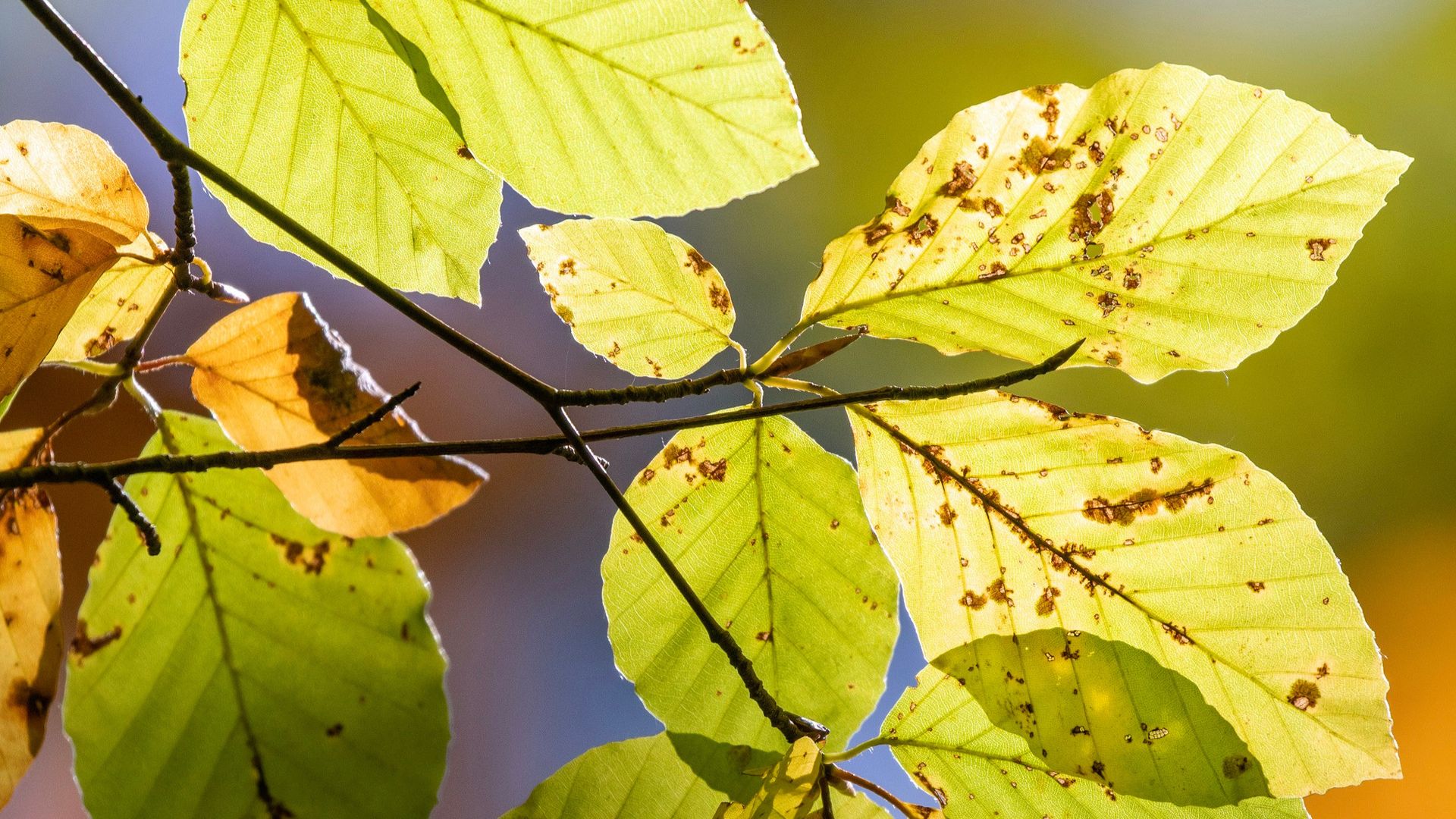
Fagus spp.Height: up to 40 mTrunk: smooth, grey barkCrown: dense, broad and spreading, domed and massiveLeaves: long and ovate to elliptical, slightly wavy margin, partially ciliateBuds: long, spindle-shaped, pointed, and brownFlowers: male flowers in long-stalked, spherical clusters; female flowers stand upright as inconspicuous, four-lobed fruit cupsFruits/Seeds: triangular nuts in spiny, four-lobed cups Photos: Wolfgang Schödel (1,2), Sonja Kreil (3), BUND Naturschutz in...
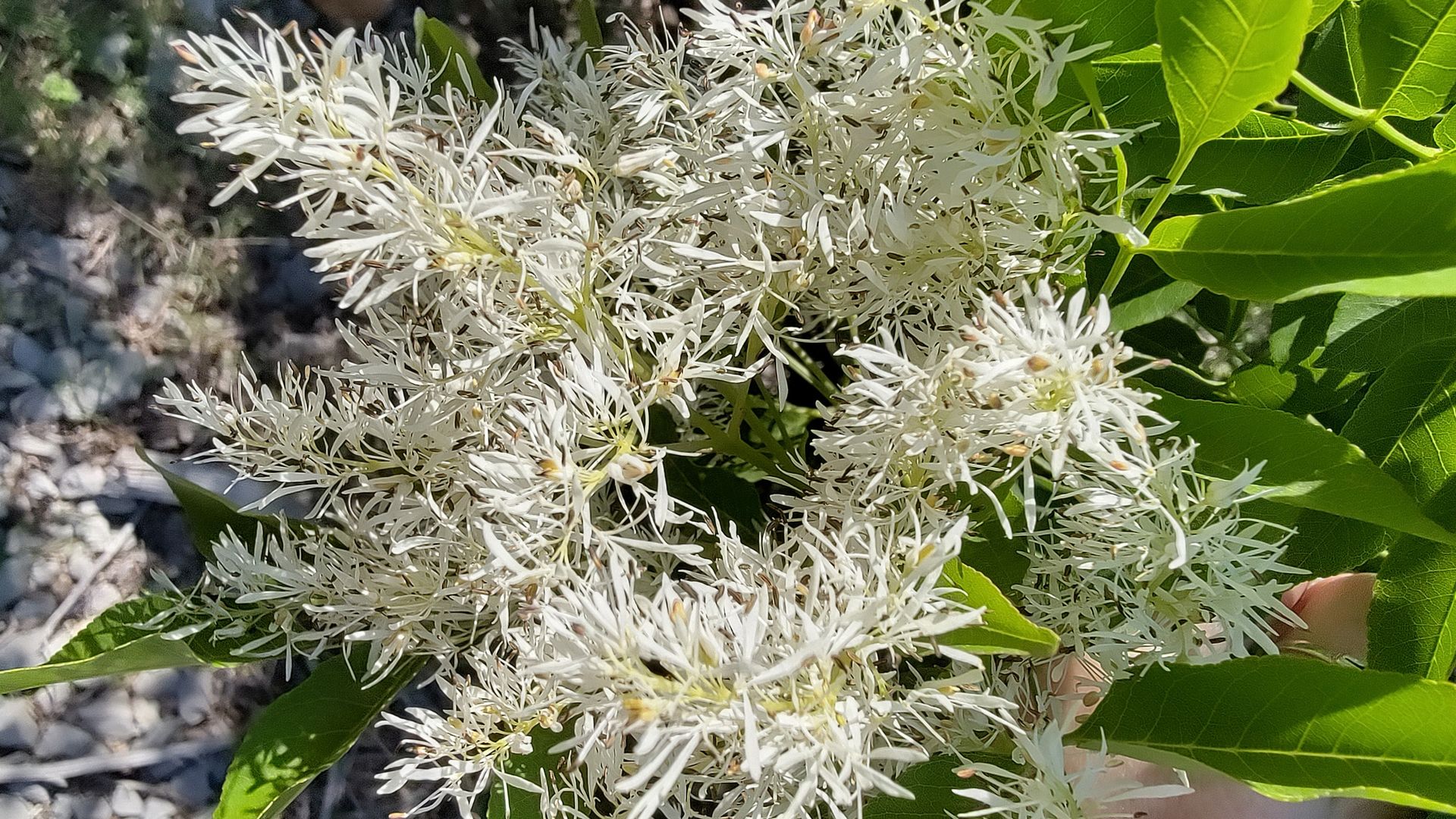
Fraxinus ornus • Height: up to 25 m • Trunk: smooth, grey, short, and branches early; sometimes shrub-like • Crown: loose, rounded crown • Leaves: opposite, imparipinnate leaves with 5–9 egg-shaped, pointed leaflets (each about 6 cm long), toothed at the margins, dull green on top, lighter underneath • Buds: light grey to greyish-brown and finely hairy • Flowers: white, fragrant, and borne in upright, dense panicles in May/June after leaf emergence • Fruits/Seeds...
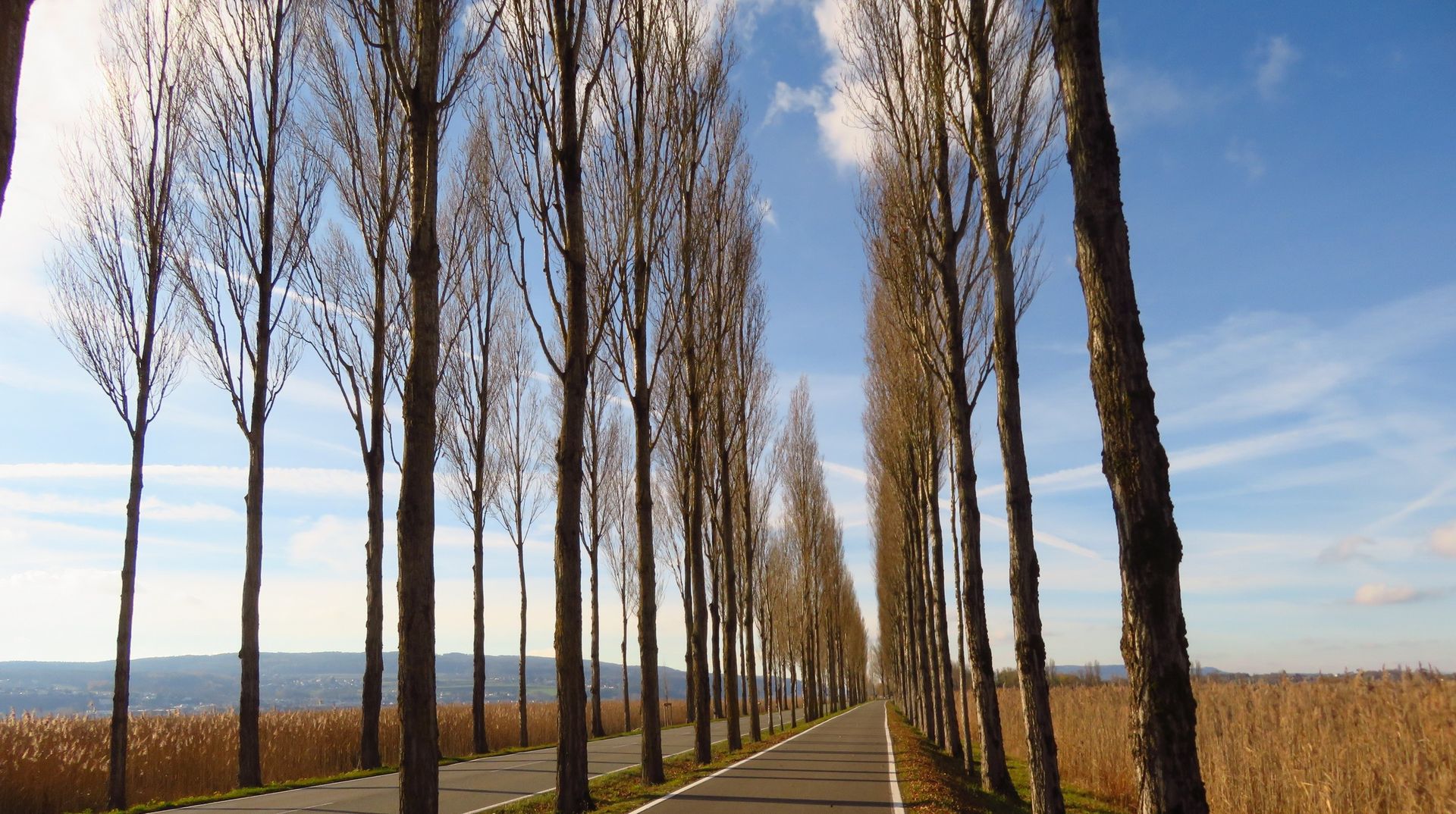
Multi-row tree-lined avenues consist of three or more rows of trees along a path or road. In addition to historic landscapes, they are also created today in areas where, in addition to a road, an accompanying bike path or farm road is lined with trees.A characteristic feature is at least three parallel rows of trees, although landscapes with four or more rows may also occur.Multi-row avenues offer particularly diverse habitats, enhance connectivity among species, and have a significant...
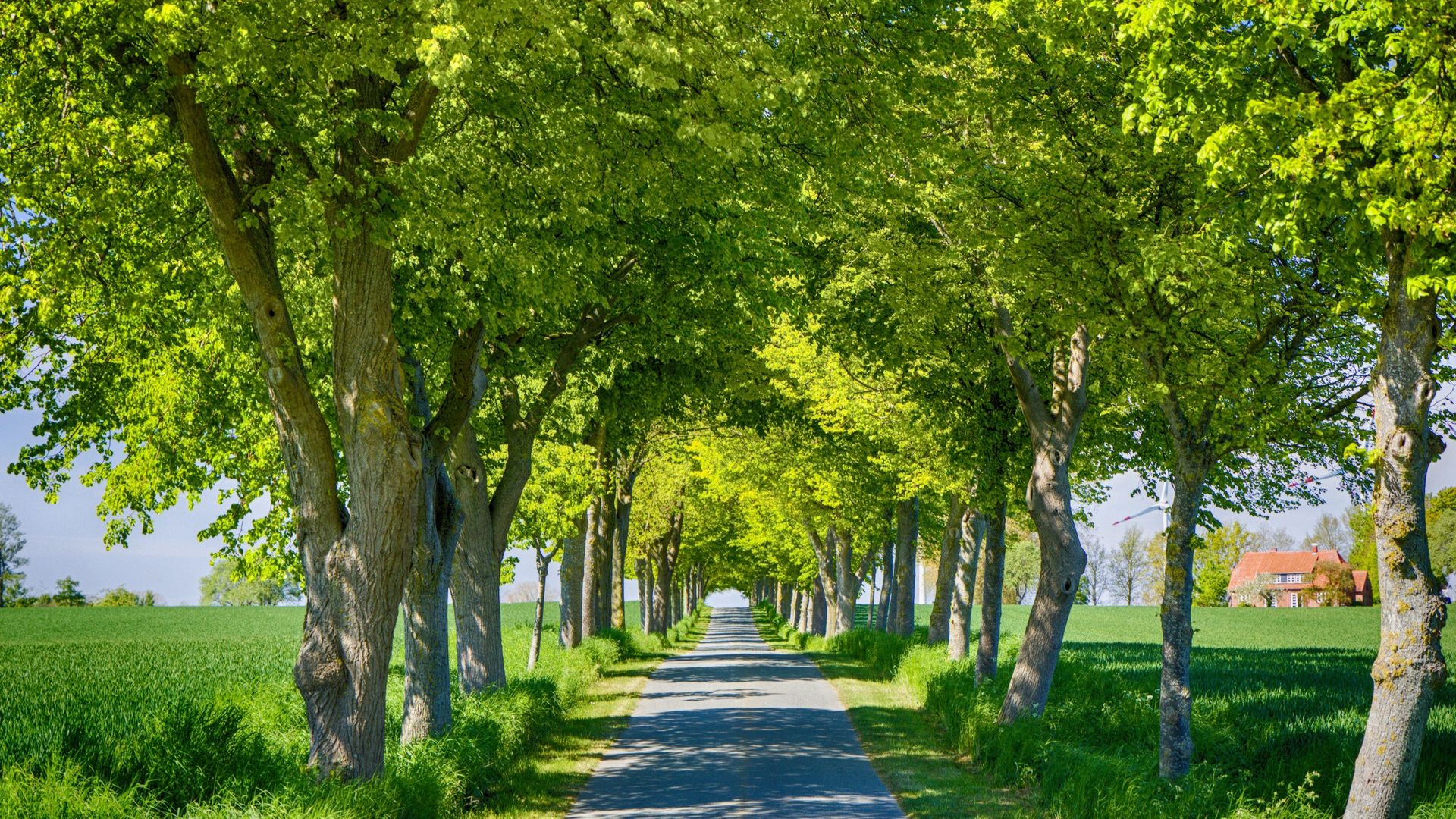
A classic tree-lined avenue consists of two rows of trees that line a path or road. The trees are usually planted at similar intervals and are often of the same species. Mixed tree-lined avenues also exist.Historically, tree-lined avenues served as landmarks and flanked important paths and transportation routes. Many tree-lined avenues today have gaps, for example due to aging, storm damage, or tree removal. Even avenues with gaps can still be classified as tree-lined avenues.Tree-lined...
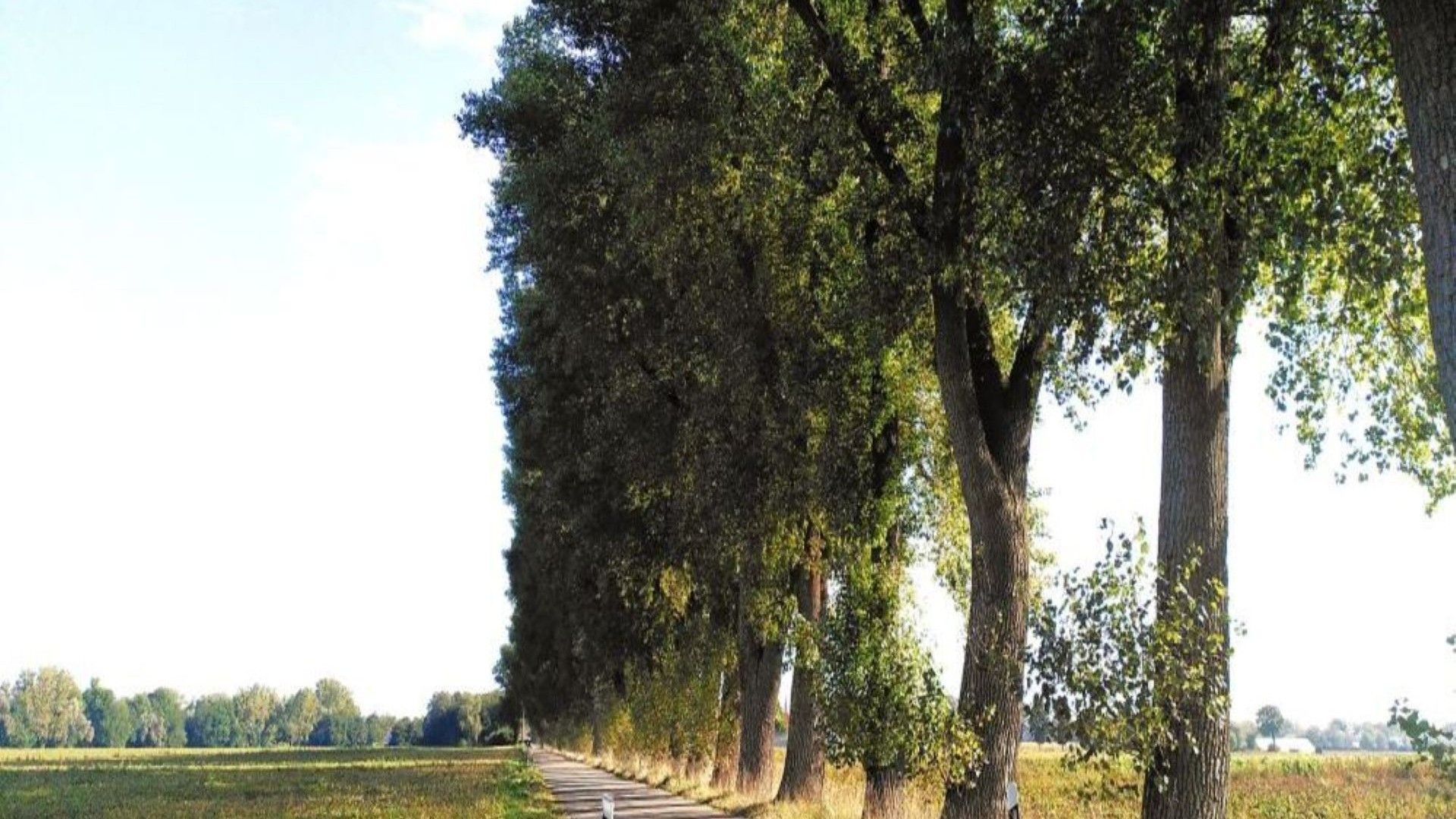
A row of trees consists of several trees arranged in a line, for example along paths, roads, field edges, or water. It often comprises at least three to five trees spaced at similar intervals from one another and forms a recognizable structural unit. The trees are often, but not always, of the same species.Tree rows may have been planted intentionally or may have survived as remnants of a former avenue, for example, if a tree row was removed during road construction.They structure the...
Info coming soon
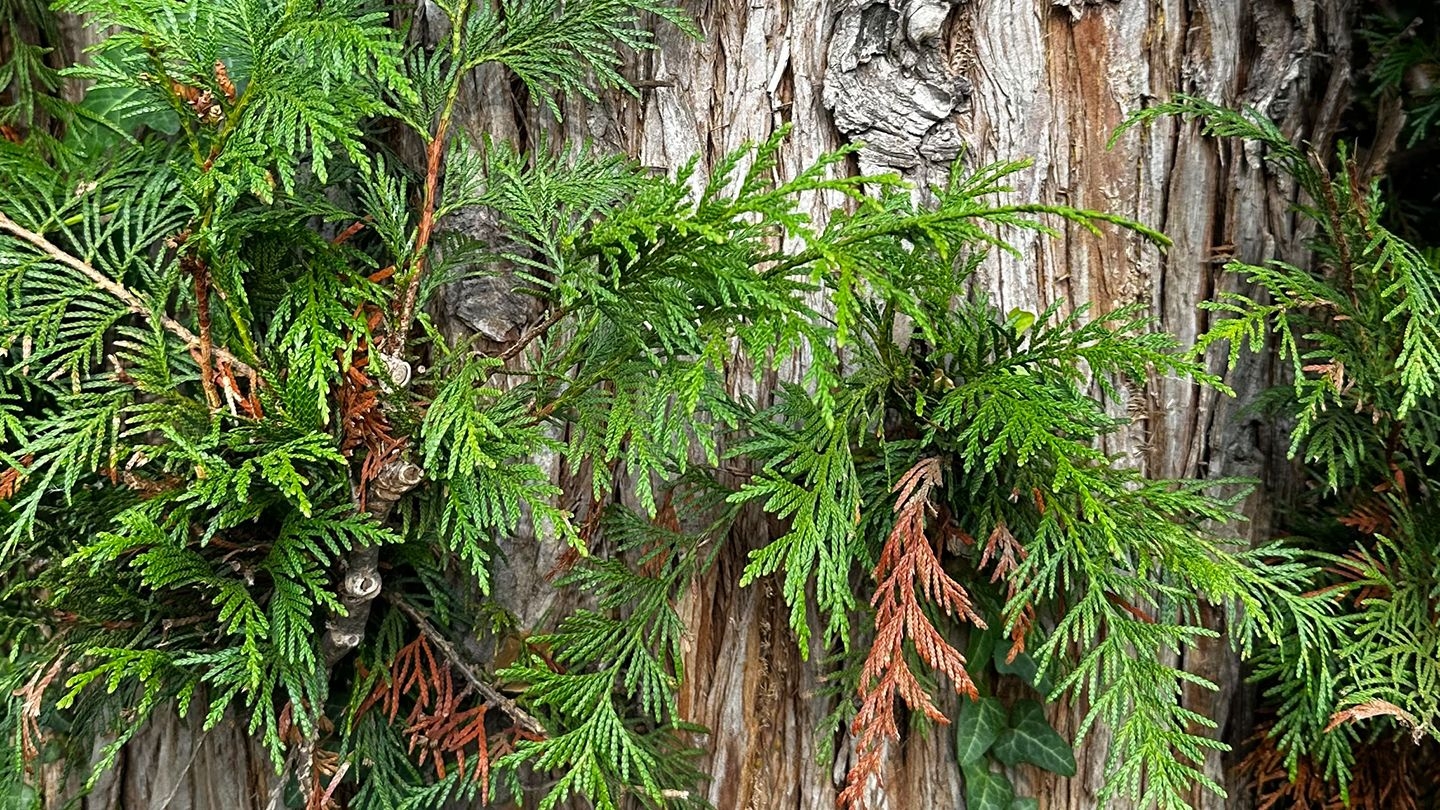
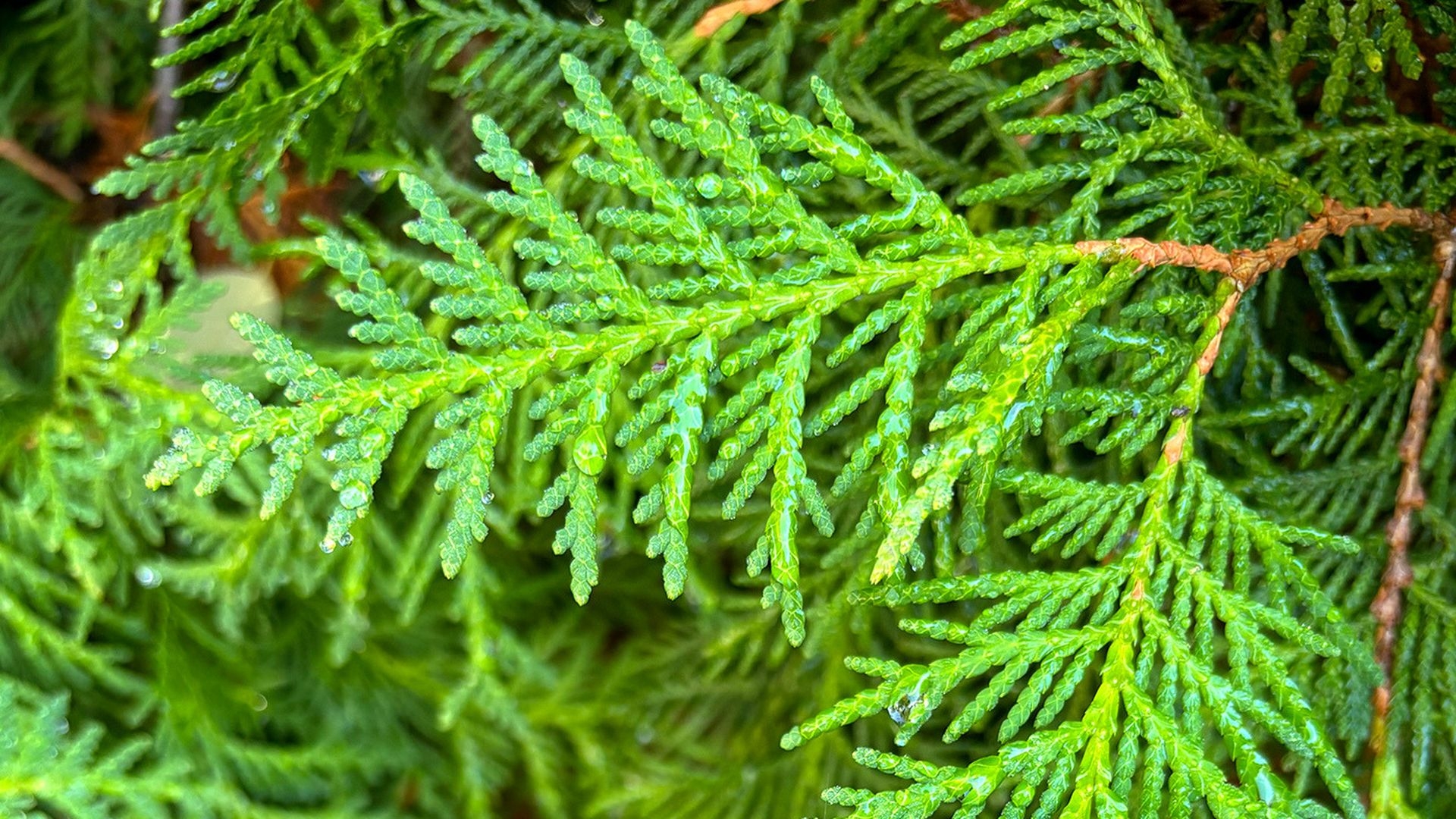
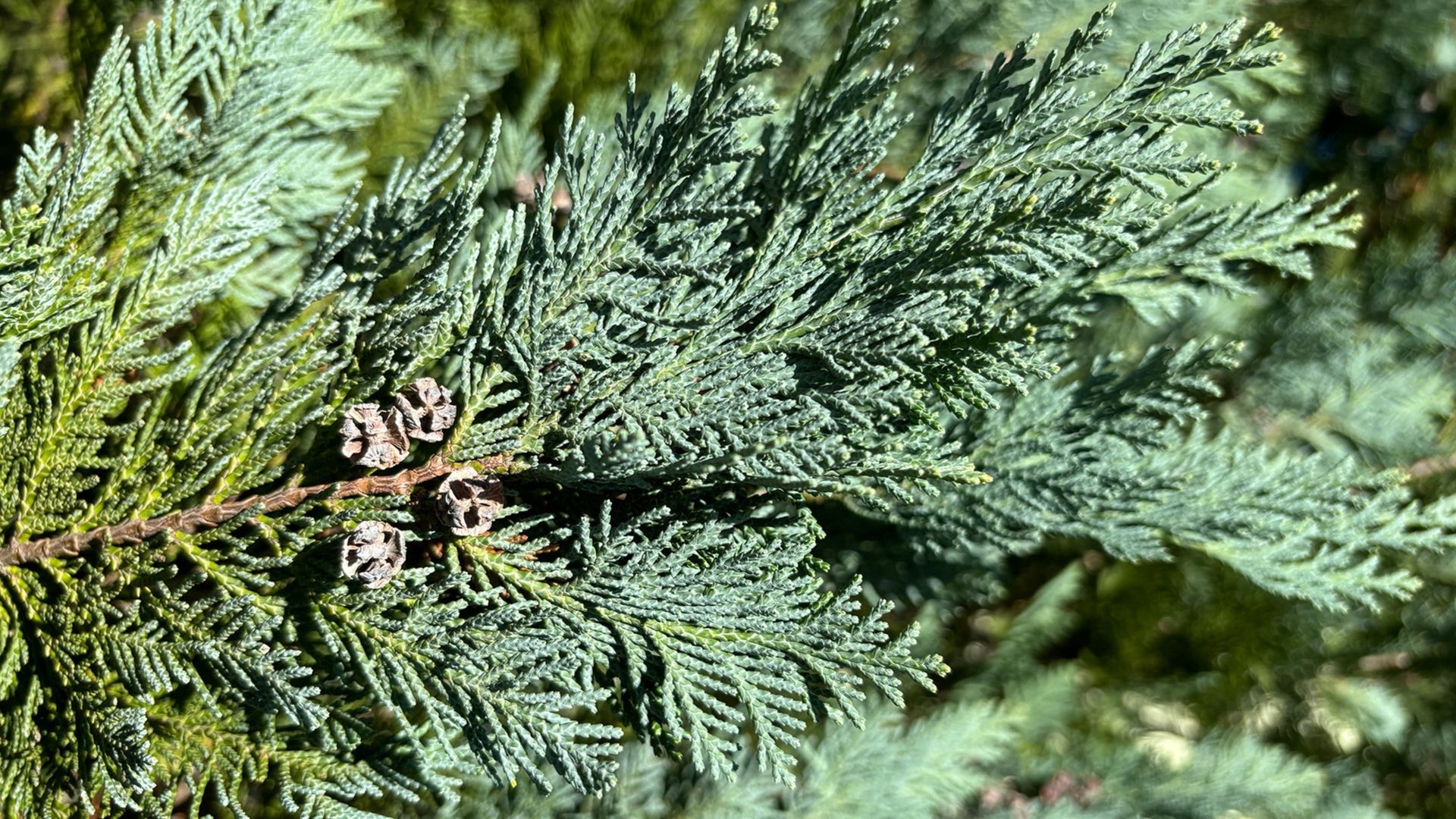
CupressaceaeHeight: up to 30 m depending on speciesTrunk: fibrous, thin bark, clearly longitudinally fissured with age, peeling off in stripsCrown: usually dense, conical to columnarLeaves: scale-like, usually small, very denseFruits/seeds: small, spherical to ovoid cones, woody, initially compact, later gapingOther: Very tolerant to pruning, therefore also found as a hedge or topiary Photos: Janina Deutschmann (1,2,4), Martina Gehret (3,5)
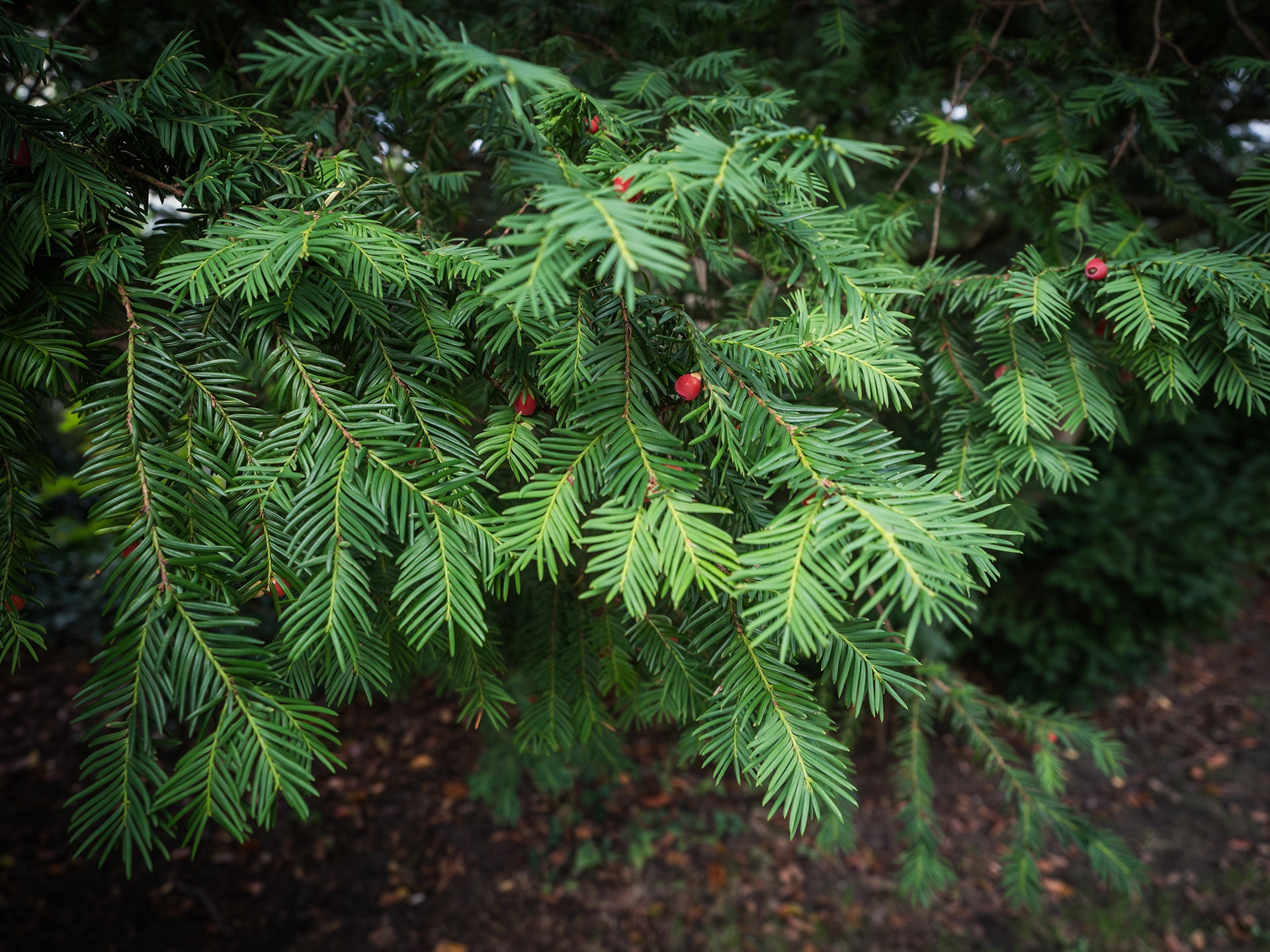
Taxus baccataHeight: mostly small tree or shrub, up to 15 mTrunk: initially smooth and reddish-brown bark, flaking in broad thin plates with age, already branched at the baseLeaves: Needles arranged in a spiral, often parted on side branches, soft needles with a midrib on the undersideFruits/seeds: Berry-like seed coat (aril), bright scarlet red, slightly frostedOther: very tolerant to pruning, therefore also found as a hedge or topiaryPhotos: Janina Deutschmann (1), Martina Gehret...
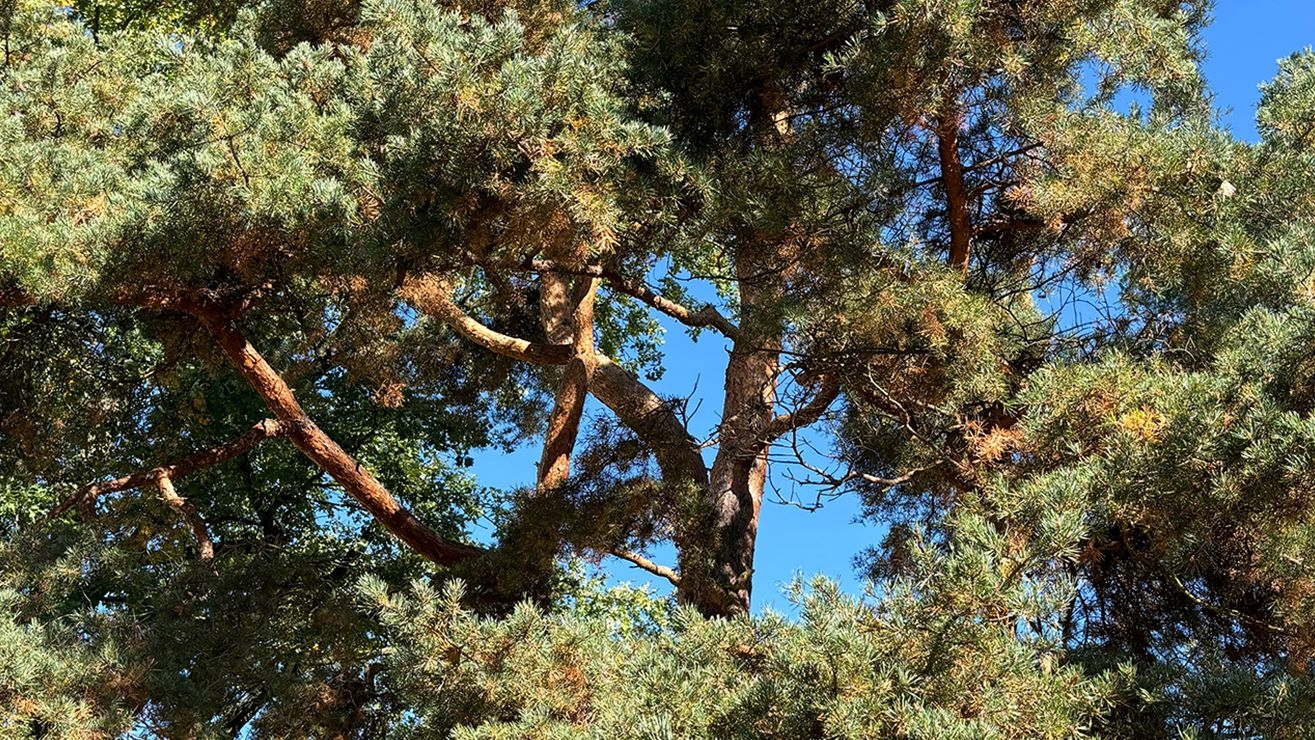
Pinus sylvestrisHeight: 20-30 mTrunk: bark initially fox-red, later dark brown, flat scaly barkCrown: initially conical, later usually umbrella-shapedLeaves: 2 needles per sheath, 3-7 cm long, 1.5-2 mm thick, usually twistedFruits/seeds: ovoid to conical cones, 3-8 cm long, up to 3.5 cm thickPhotos: Janina Deutschmann (1,2,3), Kerstin Ellersdorfer (4)
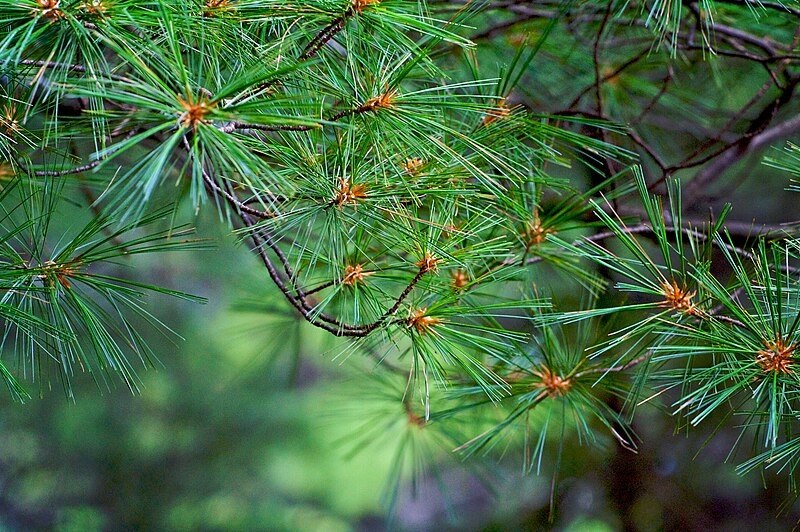
Pinus strobus
Height: up to 30 m
Trunk: long smooth bark, shiny grey-green, late bark formation, longitudinally fissured scaly bark
Crown: loosely conical
Leaves: 5 needles per sheath, 7-12 cm long, very thin, soft, flexible
Fruits/seeds: narrowly cylindrical cones, up to 20 cm long, usually curved
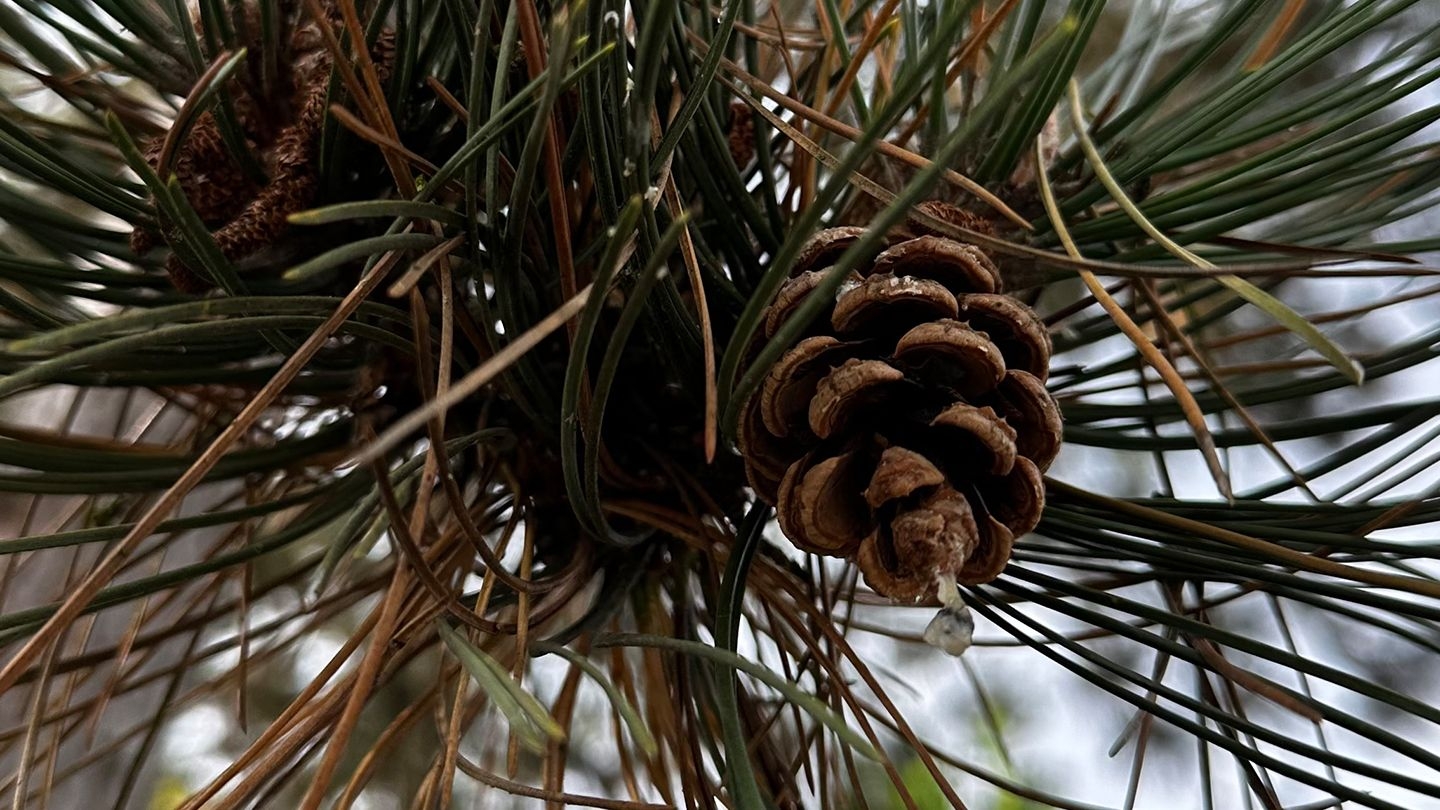
Pinus nigraHeight: up to 30 mTrunk: brownish-grey and scaly bark when young, large scaly bark with ageCrown: initially conical, later broader and looserLeaves: 2 needles in a sheath, 8-16 cm long, stiff, straight or curved, sometimes twistedFruits/seeds: ovoid cones 4-10 cm long, up to 3 cm thick, 5-7 mm long, winged seedsPhotos: Martina Gehret (1,2)
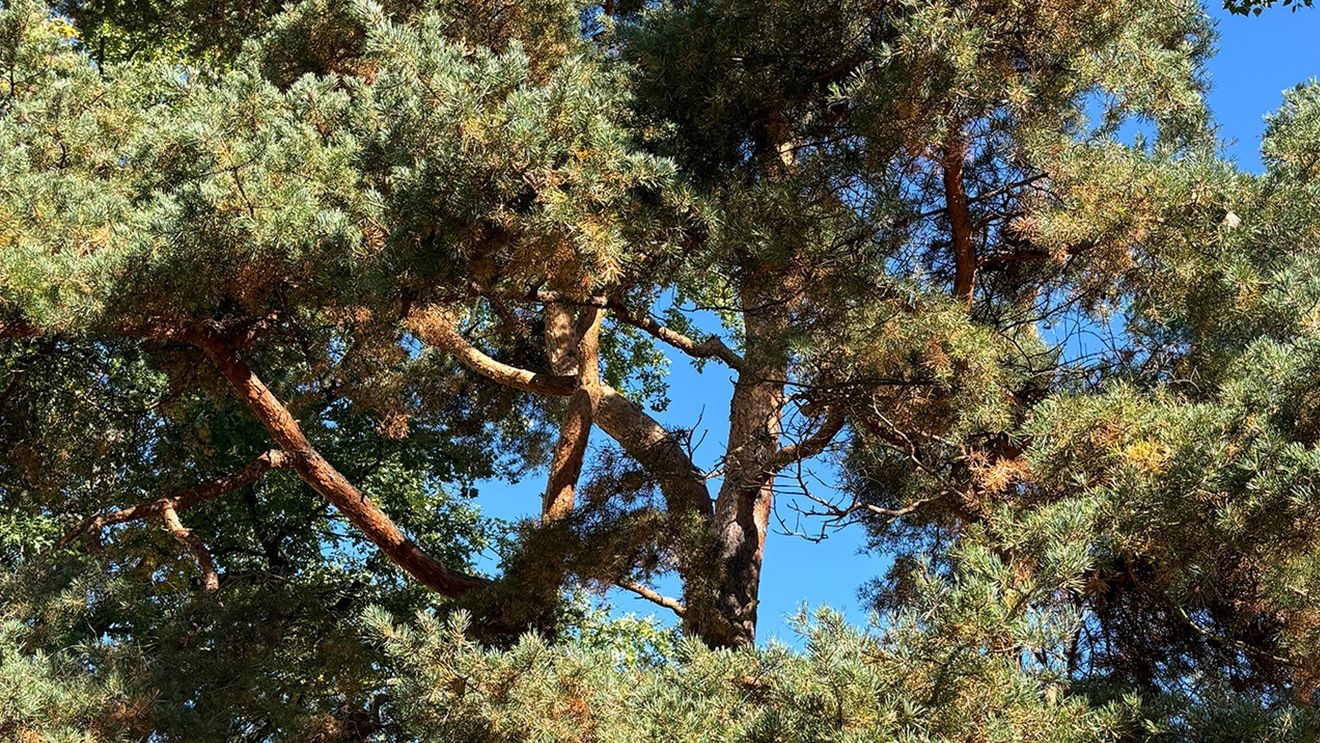
Pinus spp.Height: depending on species up to 30 m, exceptions up to 50 mTrunk: rarely shrub-like, longitudinally fissured and scalyCrown: conical, later usually loosenedLeaves: 2-5 needles per sheath on short shoots, very thin, pointedFruits/seeds: ovoid or conical cones Photos: Janina Deutschmann (1,2,3), Kerstin Ellersdorfer (4)
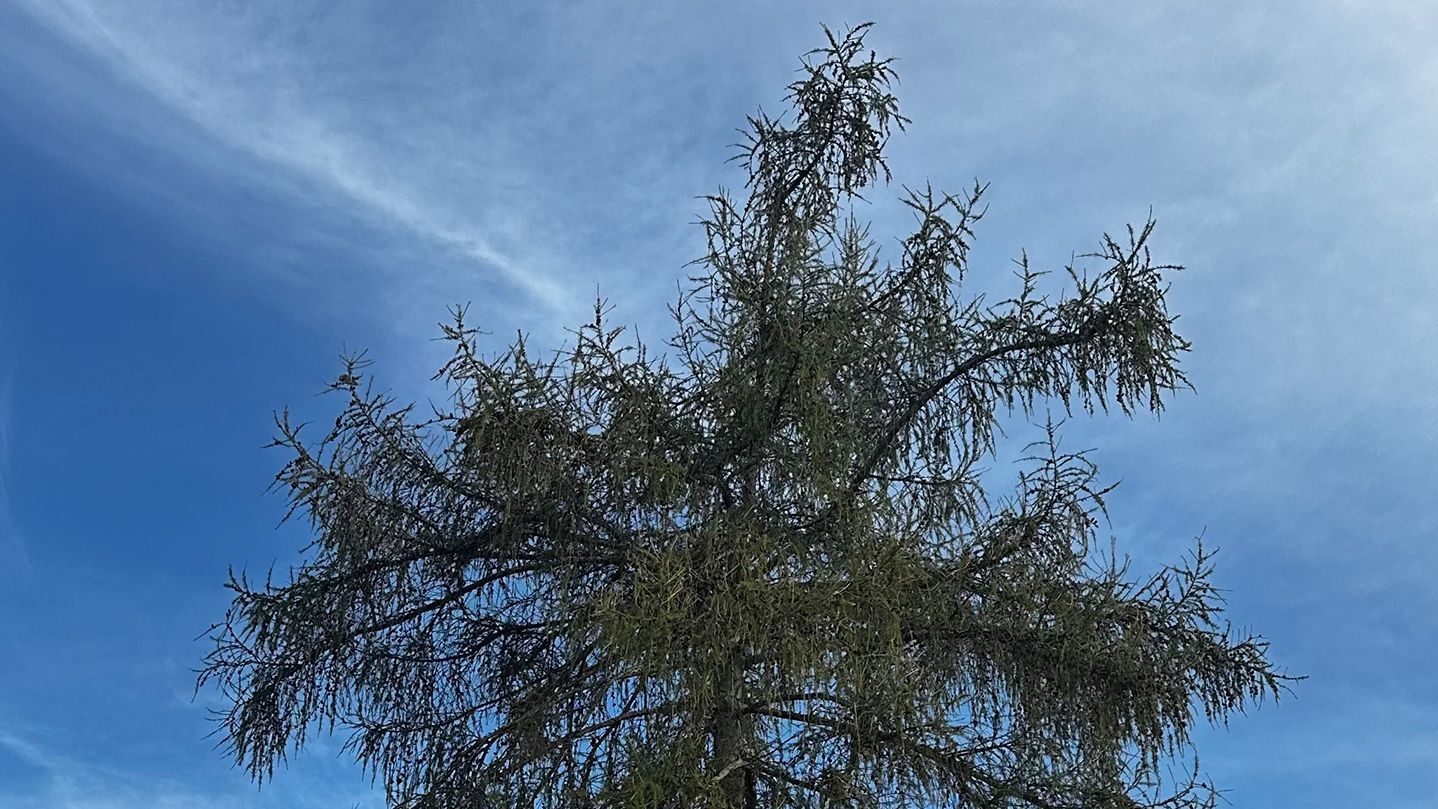
Larix spp.Height: up to 40 mTrunk: reddish to grey-brown, thick, deeply furrowed scaly bark with ageLeaves: blunt, soft, thin, keeled needles, in clusters of 15-50 on short shootsFlowers: purple-coloured, in upper crownFruits/seeds: spherical, ovoid cones (approx. 3 cm), remain on tree for a long timeOther: only deciduous, sheds needles in autumnPhotos: Martina Gehret (1,2,3)
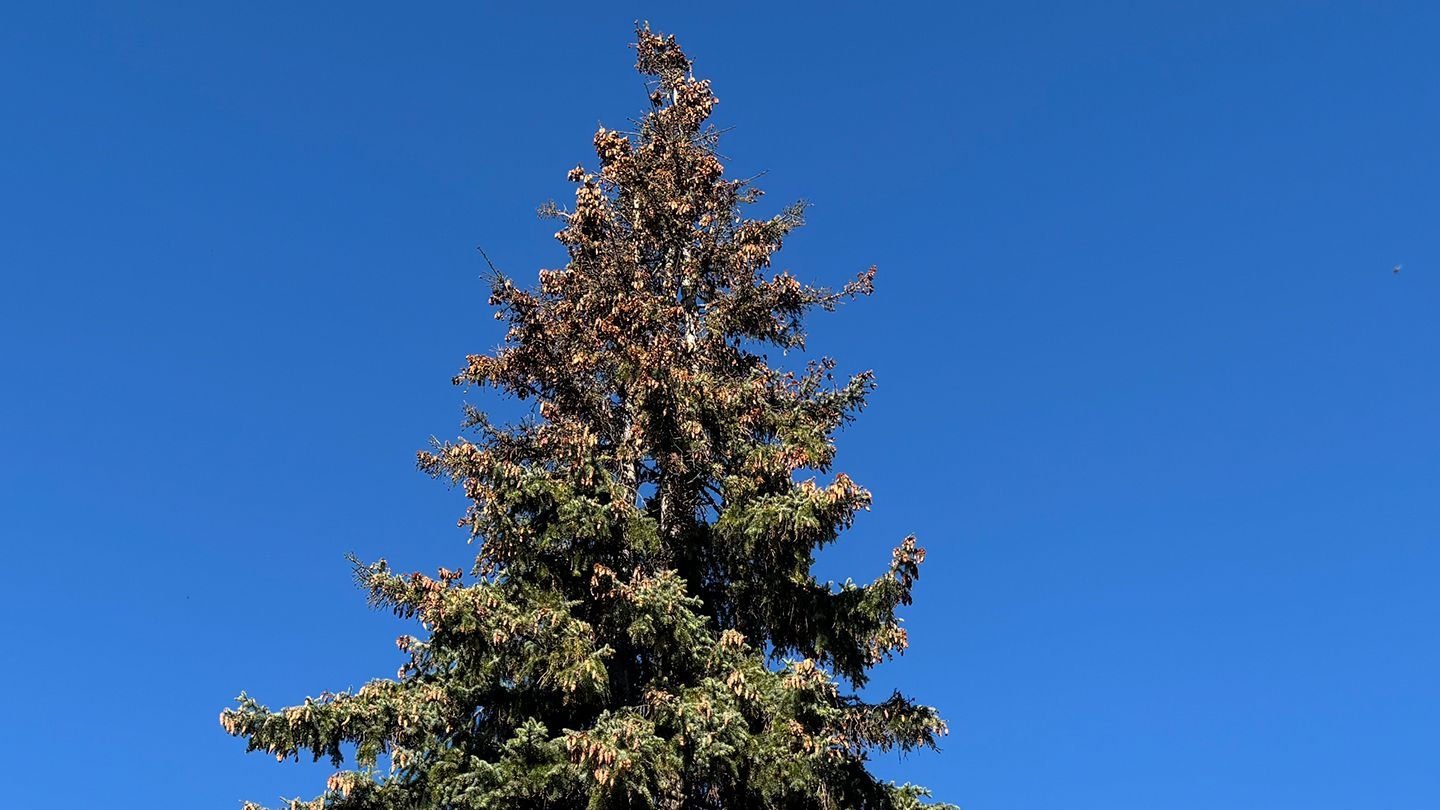
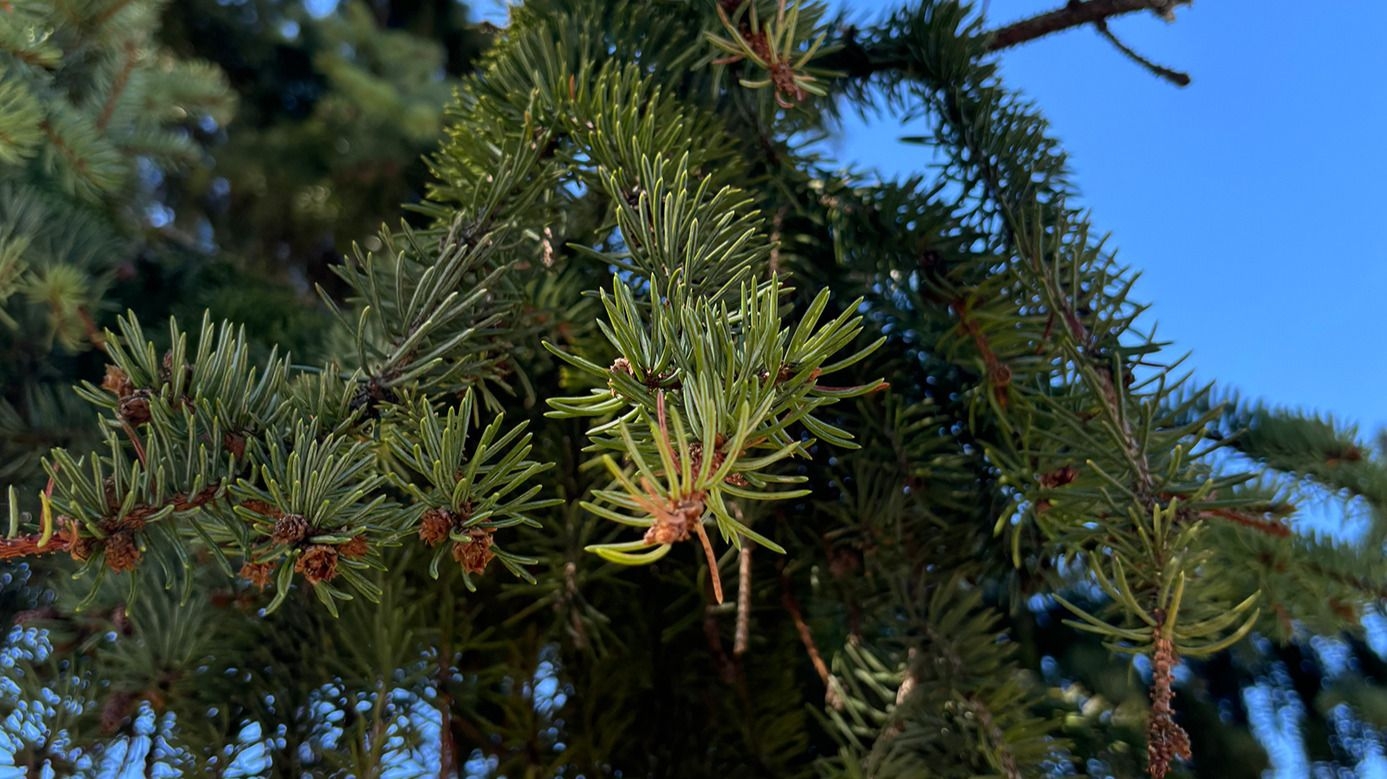
Picea abiesHeight: medium to tall tree, up to 40 mTrunk: young trees reddish-brown, cracking scaly with grey tones when old, often greenish on weather sideLeaves: pointed needles 4-edged with stomata on all sides or flat with stomata downwards, fused to the twig at the baseFruits/seeds: Elongated, cylindrical cones, initially protruding, later drooping, seeds with spoon-like wingsPhotos: Janina Deutschmann (1,2), Kerstin Ellersdorfer (3)
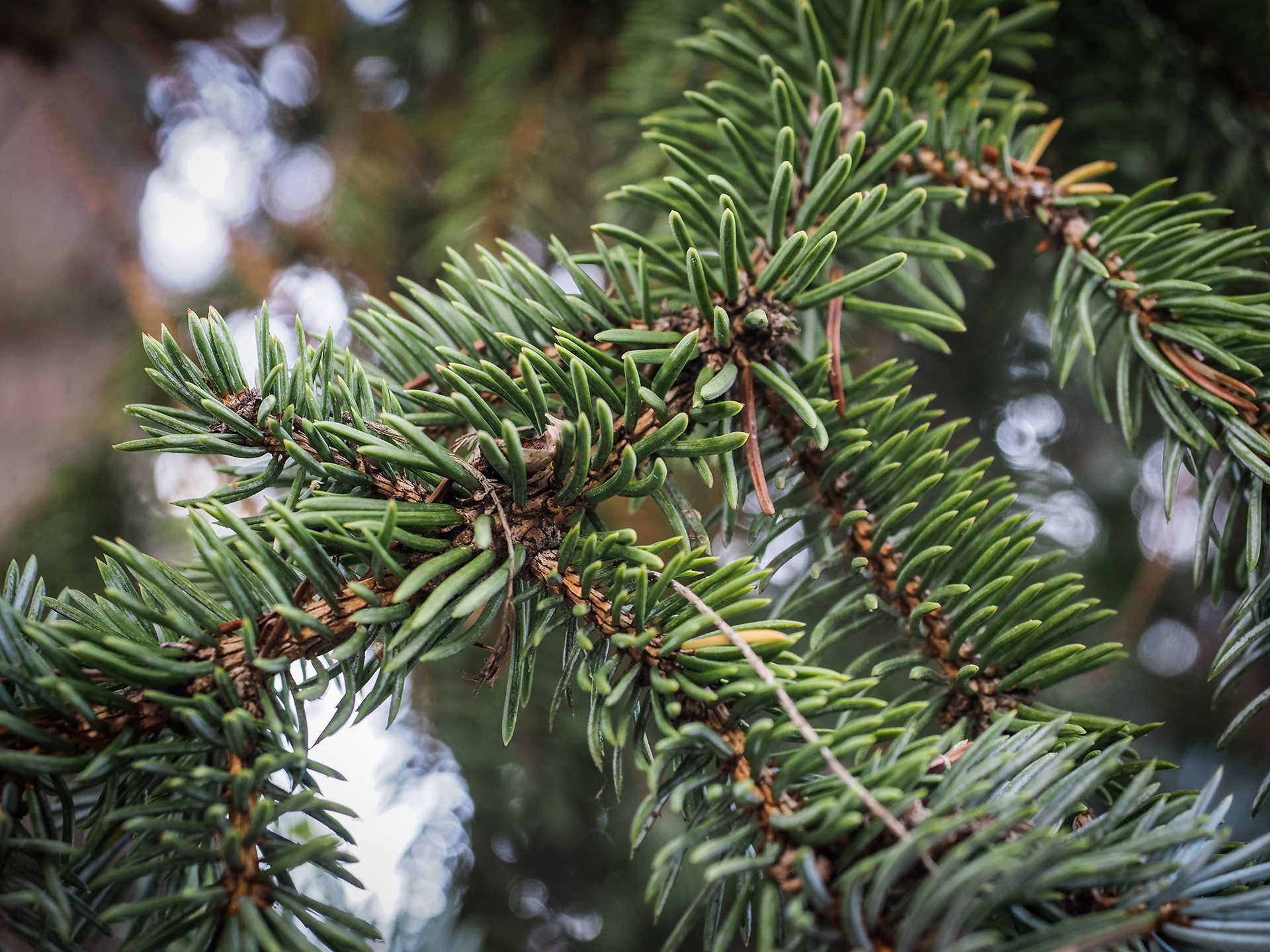
Abies spp.Height: up to 40 mTrunk: Bark light grey, smooth with distinct cork warts (lenticels), coarse and scaly with ageLeaves: needles often flat, usually blunt and helically arranged, often parted, underside with two white stripesFruits/seeds: ovoid to cylindrical cones, upright, disintegrate after ripeningOther: Shade tree speciesPhotos: Martina Gehret (1,2,3), Kerstin Ellersdorfer (4,5)
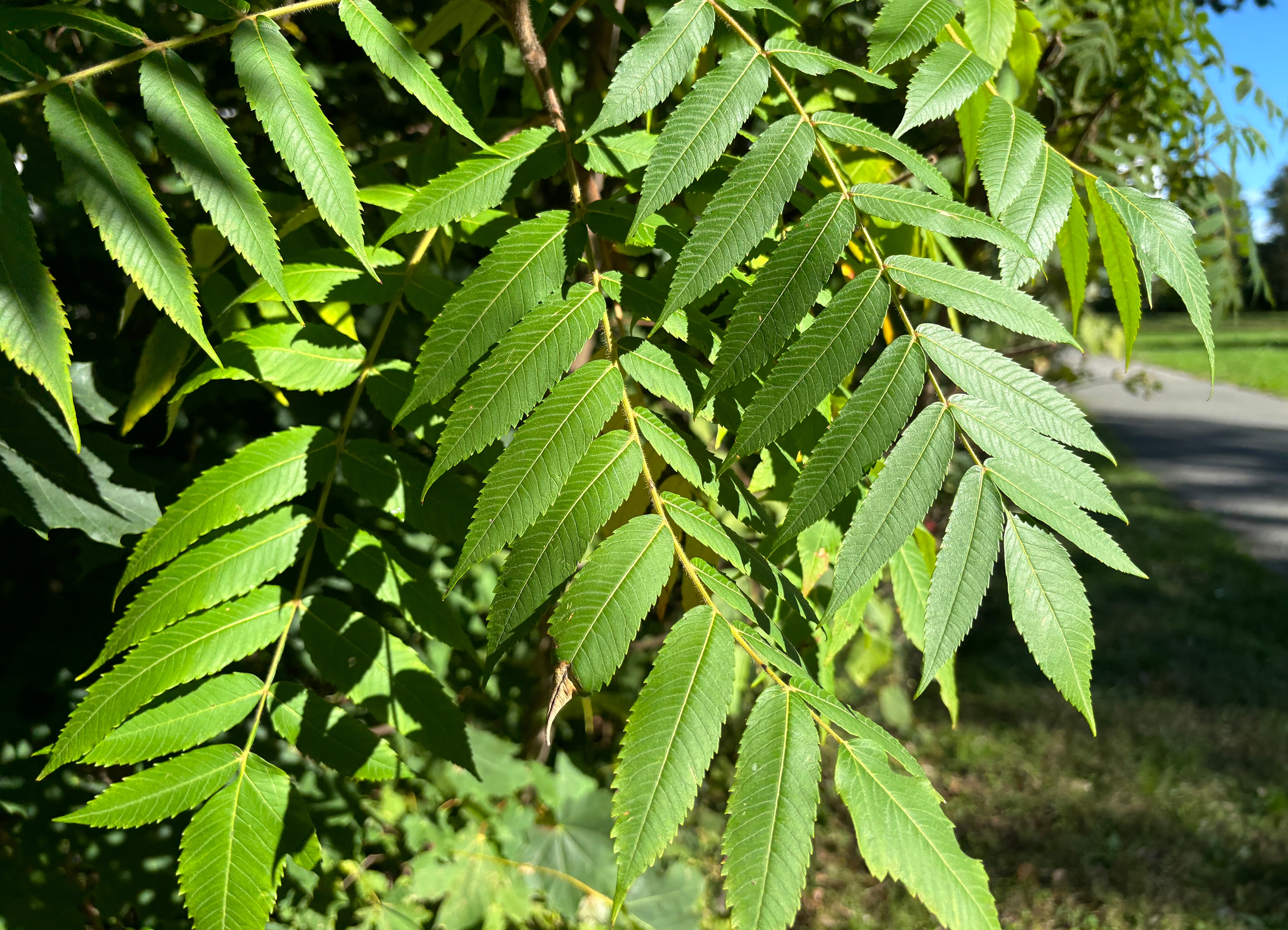
Ailanthus altissimaHeight: up to 25 m, fast-growingTrunk: often multi-stemmed, upright, smooth, grey-brown, slightly fissured barkCrown: broad, spreadingLeaves: imparipinnate, petiolate leaves, 40-90 cm long, leaflets with marginal glands (nectaries)Flowers: green, inconspicuous, panicle-shaped flower, June to August, nectar-rich, insect-friendlyFruits/seeds: yellowish-red nut fruits, broadly winged (wind dispersal), often remain on tree for a long time Photos: Janina Deutschmann...
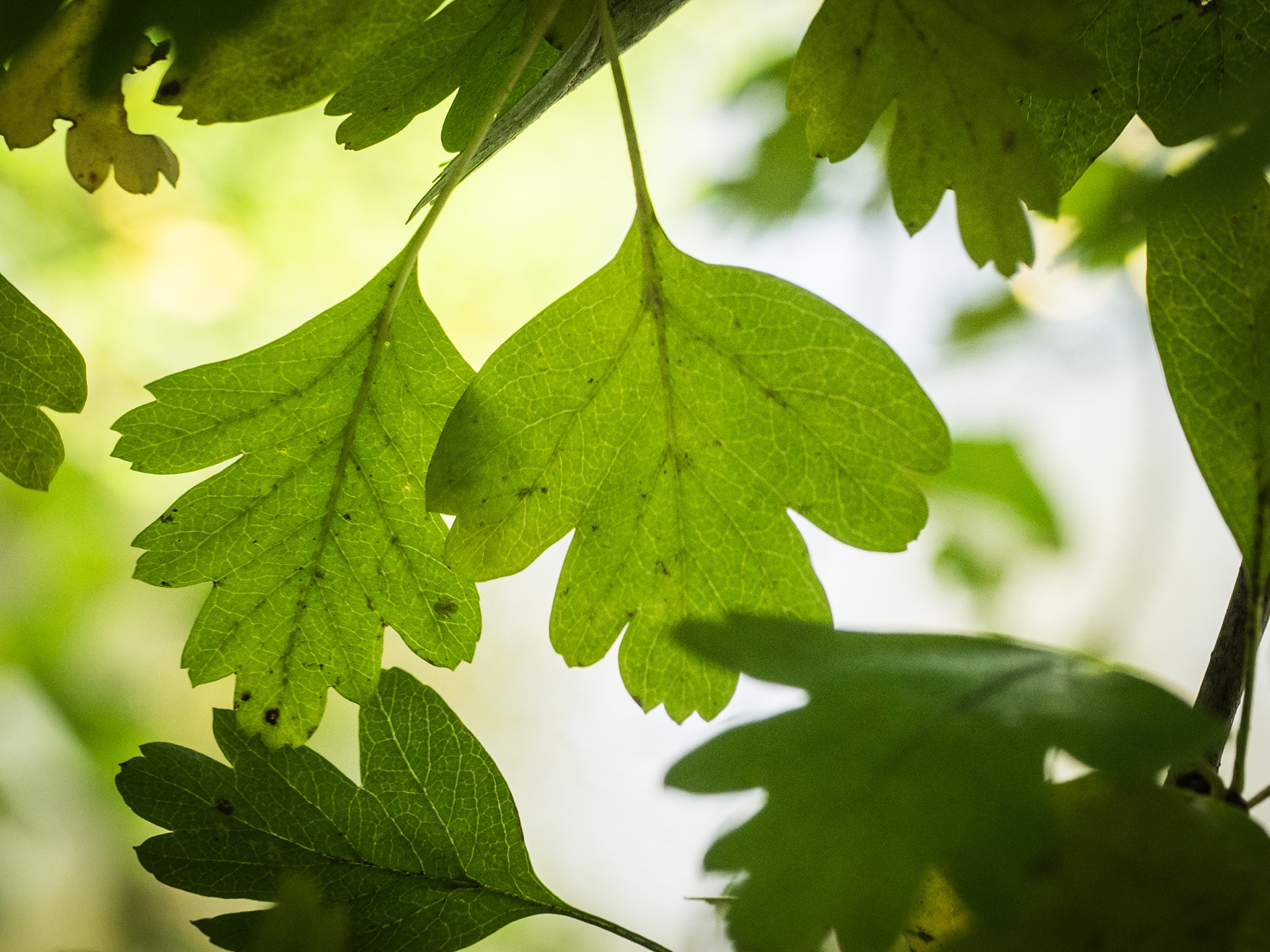
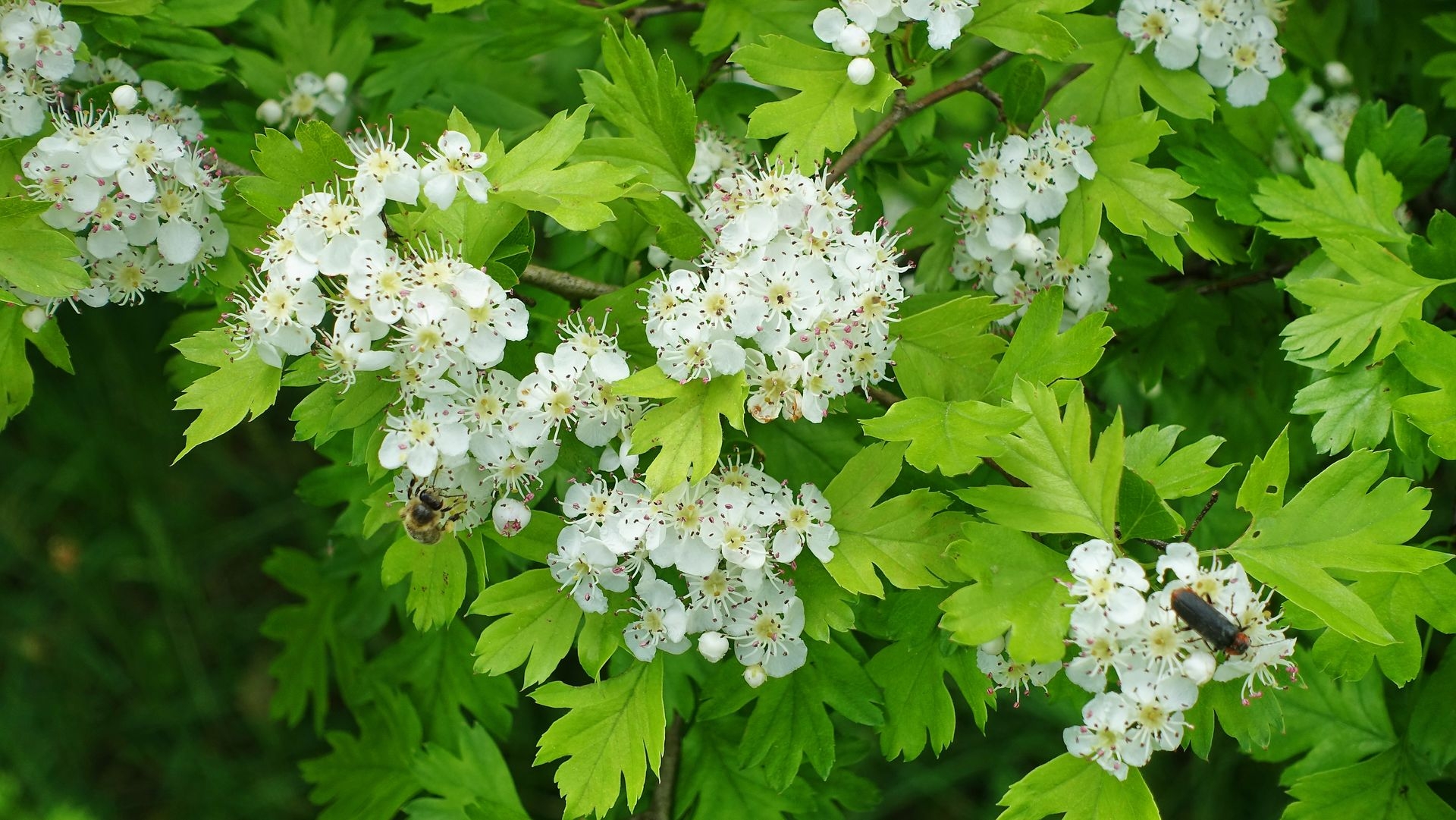
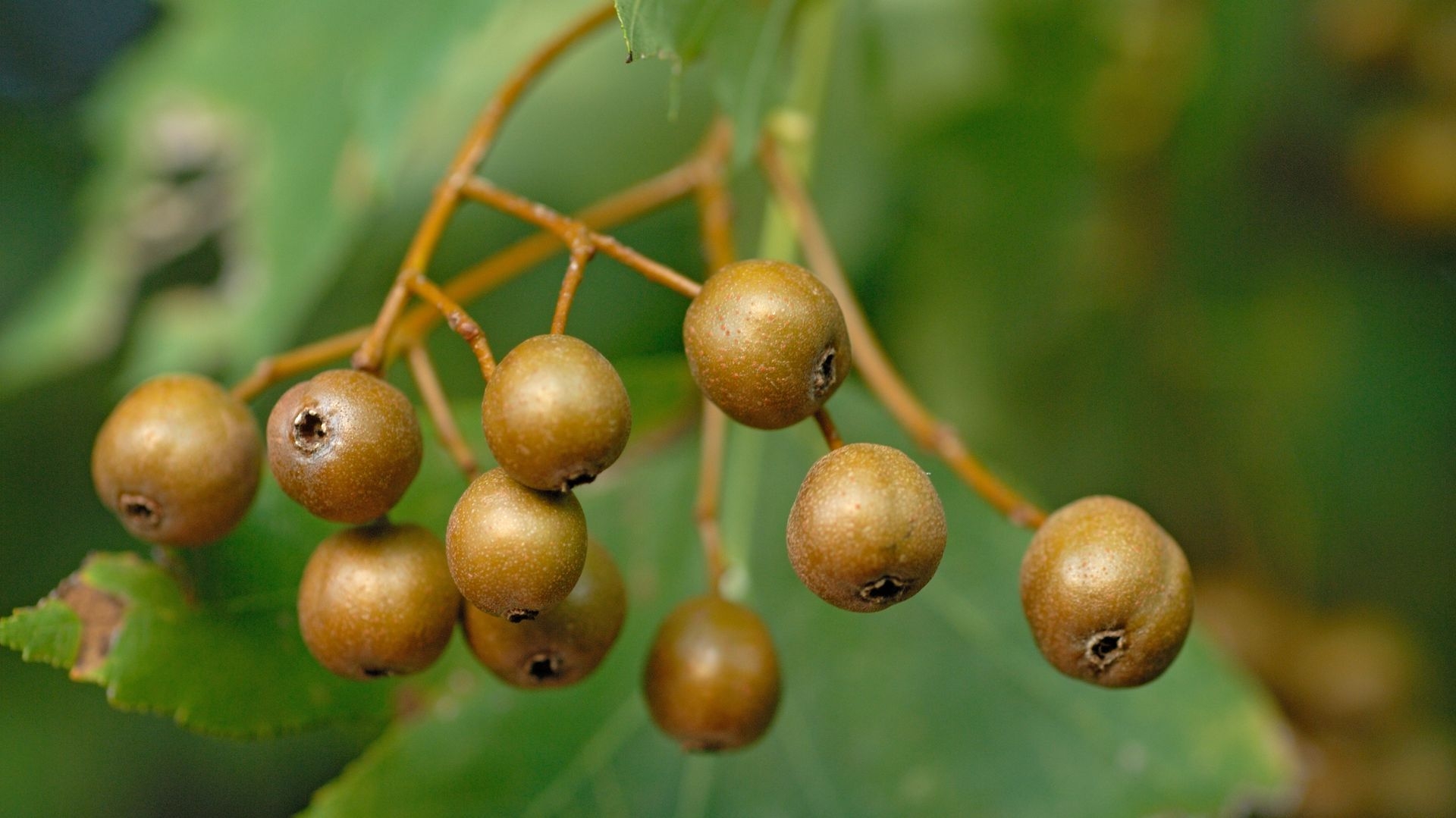
Crataegus spp.Height: up to 10 m, depending on speciesTrunk: Shrub-shaped or small tree, often densely branched, smooth bark, green-brown to dark brown, cracking with ageLeaves: lobed or serrated, petiolate leaves (depending on species), with stipulesBuds: ovoid to sphericalFlowers: white blossom in May/June, rich in nectar, insect-friendlyFruits/seeds: small, yellow to red apple-like drupesOther: many (sub)species and variations, thorny branchesPhotos: Janina Deutschmann (1), Kerstin...
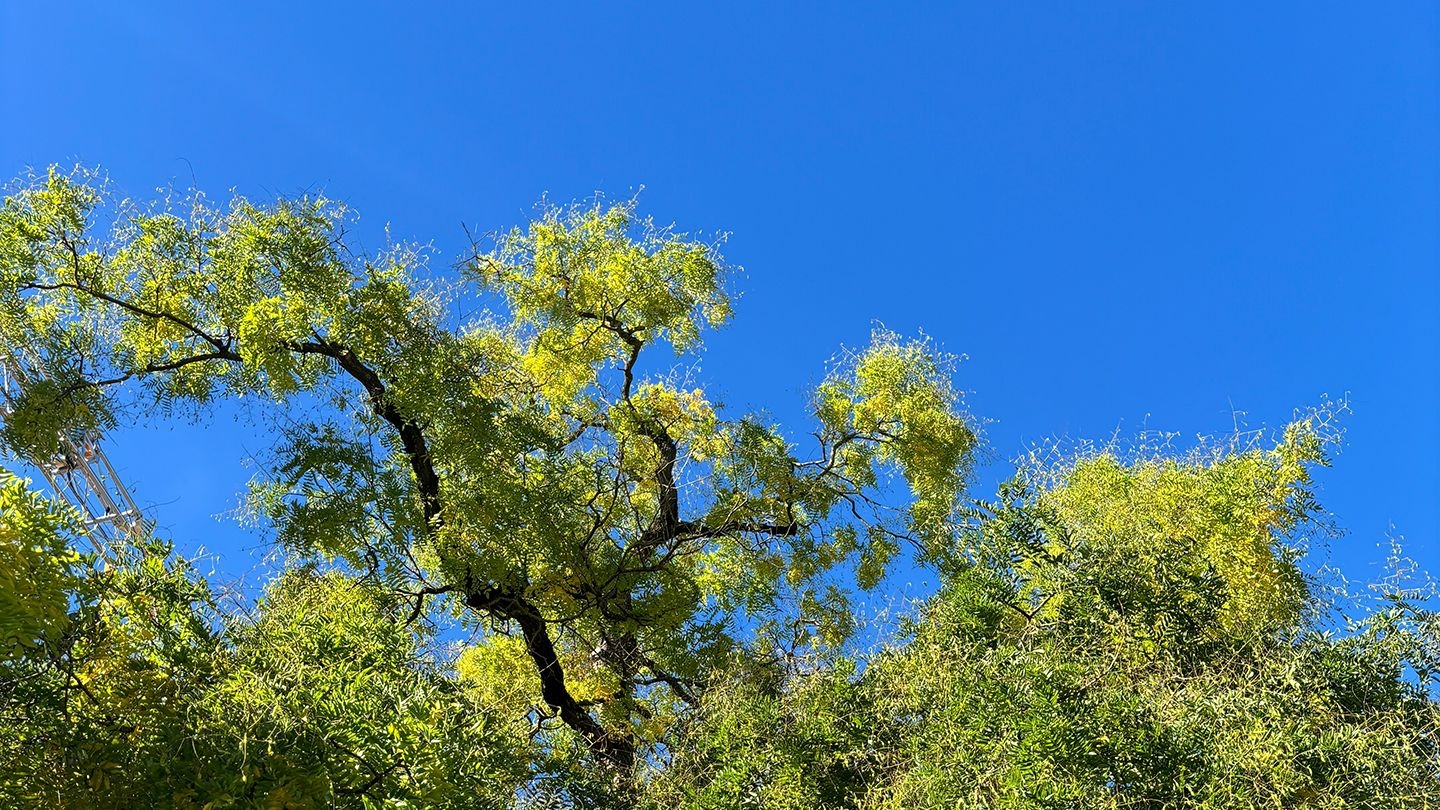
Styphnolobium japonicumHeight: up to 15-20 mTrunk: longitudinally cracked barkCrown: round, heartshaped to oval, broadly spreading with ageLeaves: oval, imparipinnate leavesFlowers: fragrant, white flowers in large, loose panicles, rich in nectar, insect-friendlyFruits/seeds: pearl-like pods (approx. 8 cm) with black-brown seedsOther: almost all parts of the plant (except flowers) are poisonousPhotos: Martina Gehret (1), Janina Deutschmann (2)
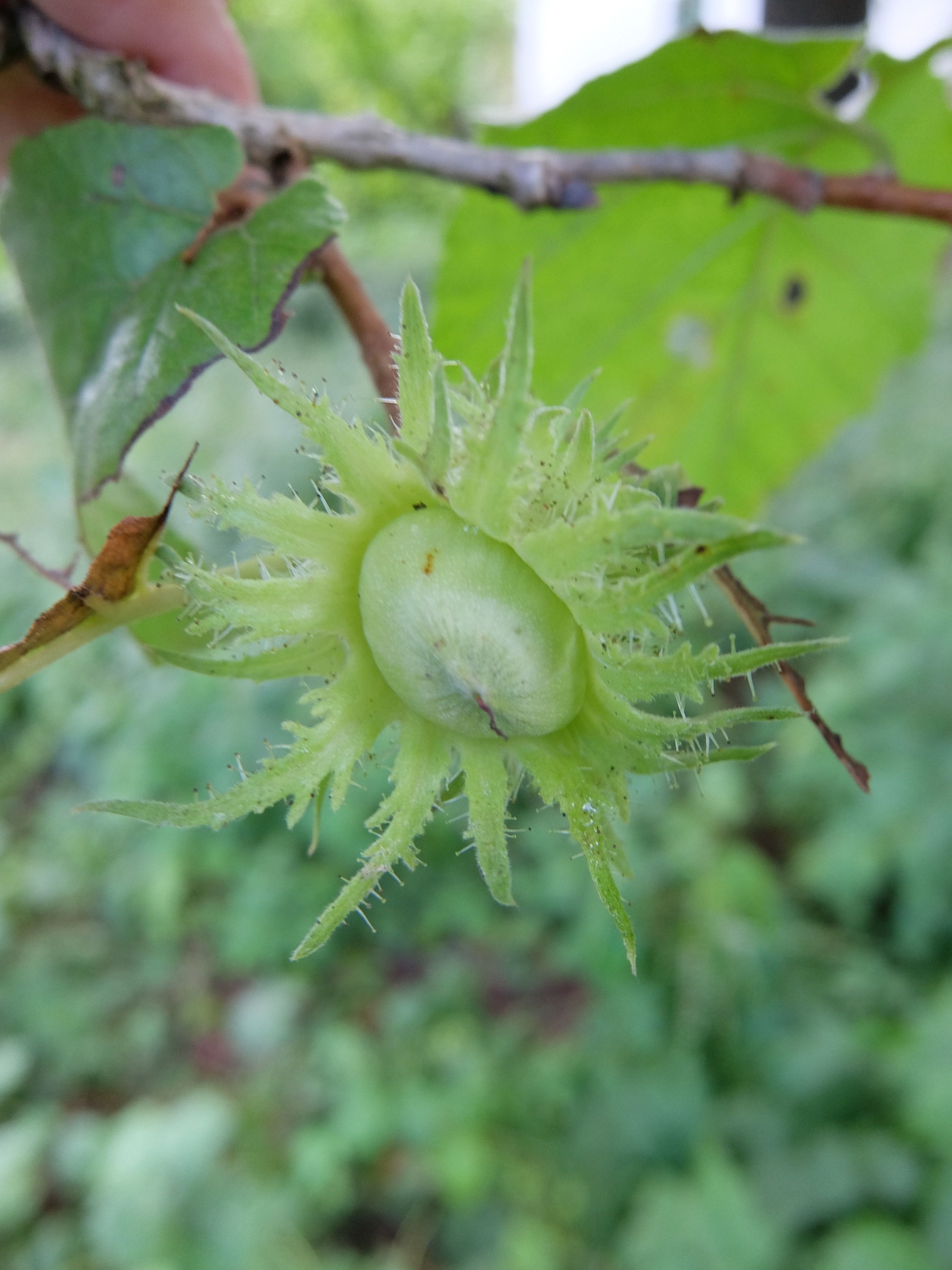
Corylus colurnaHeight: up to 20 m, exceptions up to 25 mTrunk: strikingly fissured scaly barkLeaves: broadly ovate, 5-15 cm long, double serrated, heart-shaped baseFlowers: yellow catkins up to 12 cm long, in March/AprilFruits/seeds: ball-shaped clusters, edible nuts (approx. 2 cm) with bristly huskPhotos: Dorit Zimmermann (1,2,3,5), Barbara Pressel (4,6)
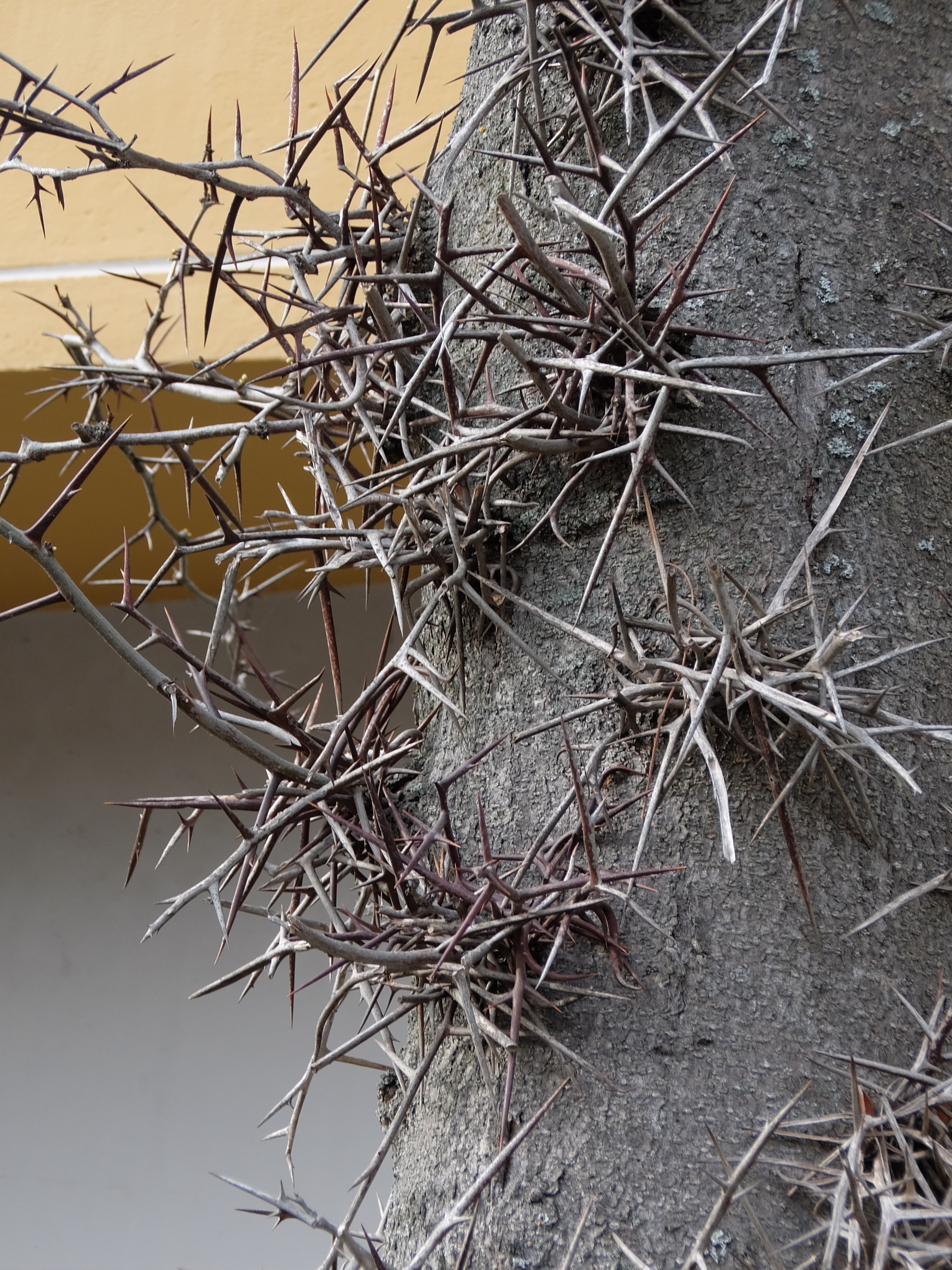
Gleditsia triacanthosHeight: up to 25 mTrunk: longitudinally fissured, detaching in elongated plates, with distinct tufted thornsLeaves: simple or doubly pinnate with 14-28 elliptically shaped small leafsFruits/seeds: 12-40 cm long, leathery, strap-shaped, wavy-twisted legumes containing about 25 seedsOther: usually thorny on trunk and branches Photos: Dorit Zimmermann (1,2,3), Viola auf Pixabay (4), Annette Meyer auf Pixabay (5)
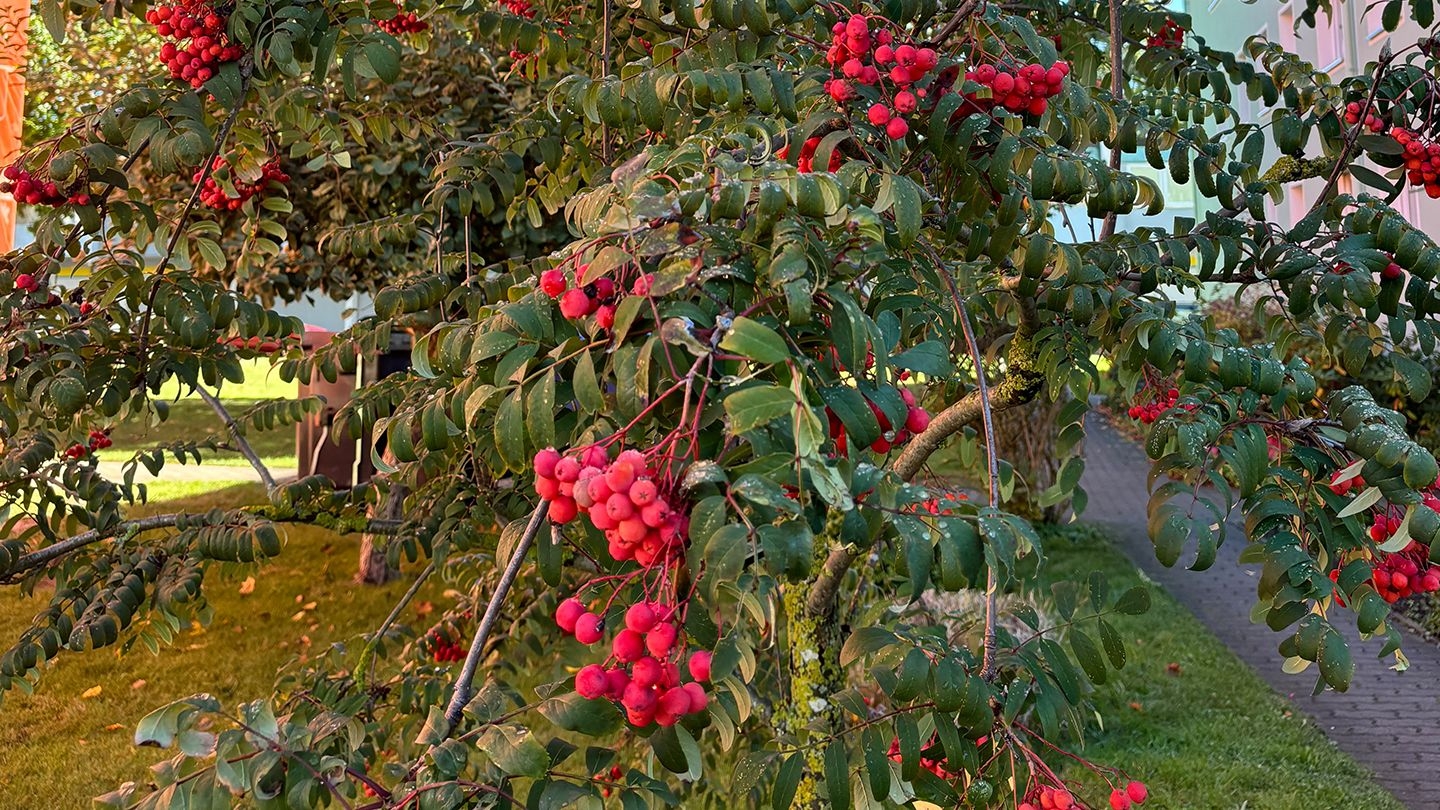
Sorbus spp.Height: up to 15 m, exceptions up to 25 mTrunk: occasionally multi-stemmed, smooth, silvery-grey to matt grey bark, slightly fissured at older ageLeaves: simple, broadly ovate, 6-8 cm long, conical at the base, hairy underside (referring to Sorbus aria), also pinnate or lobed depending on the speciesFlowers: white, about 1.5 cm wide in 5-8 cm wide umbelsFruits/seeds: elongated to spherical fruits, orange to coral-red in clustersOther: also known as rowanberry, wild service tree...
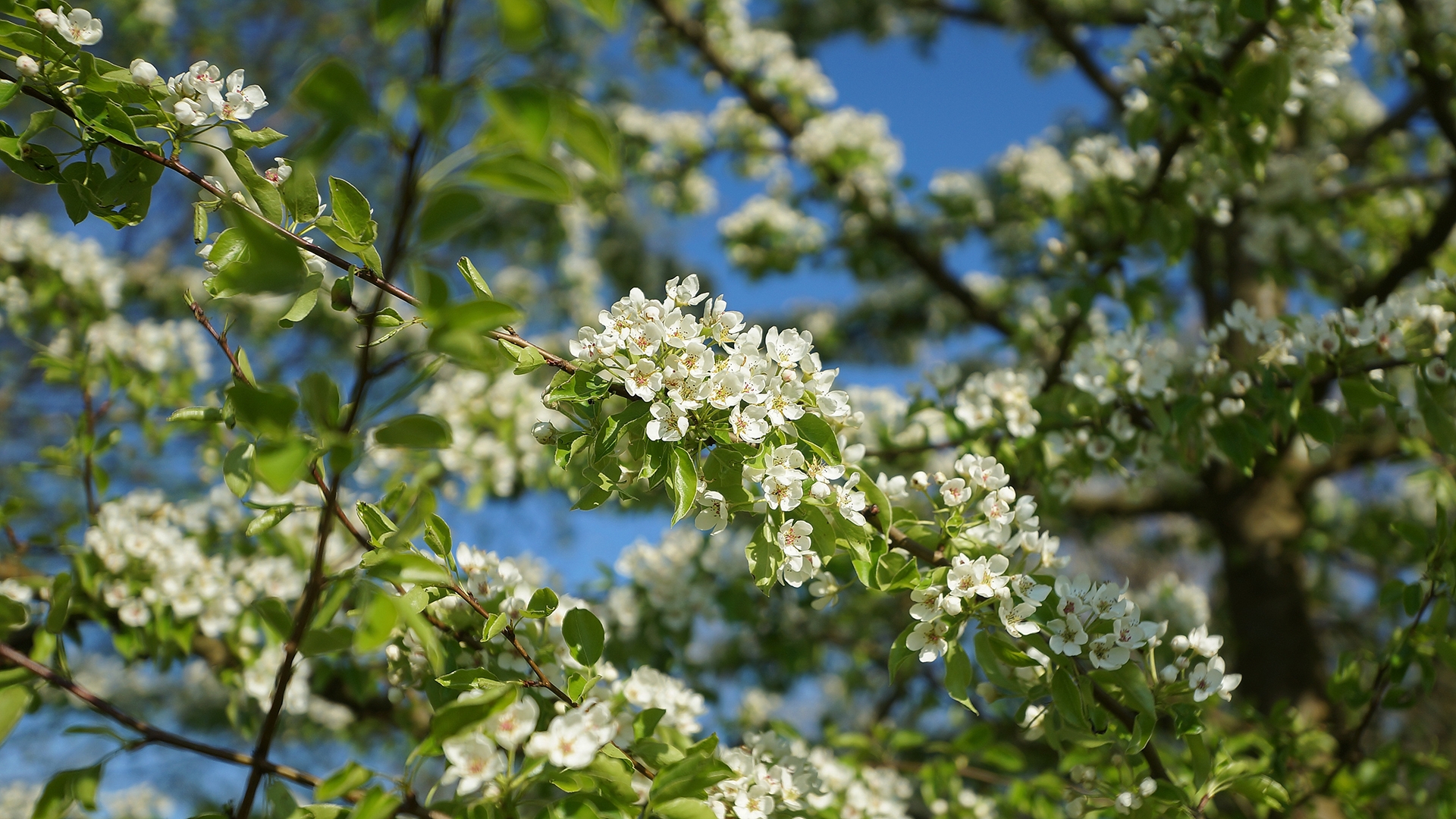
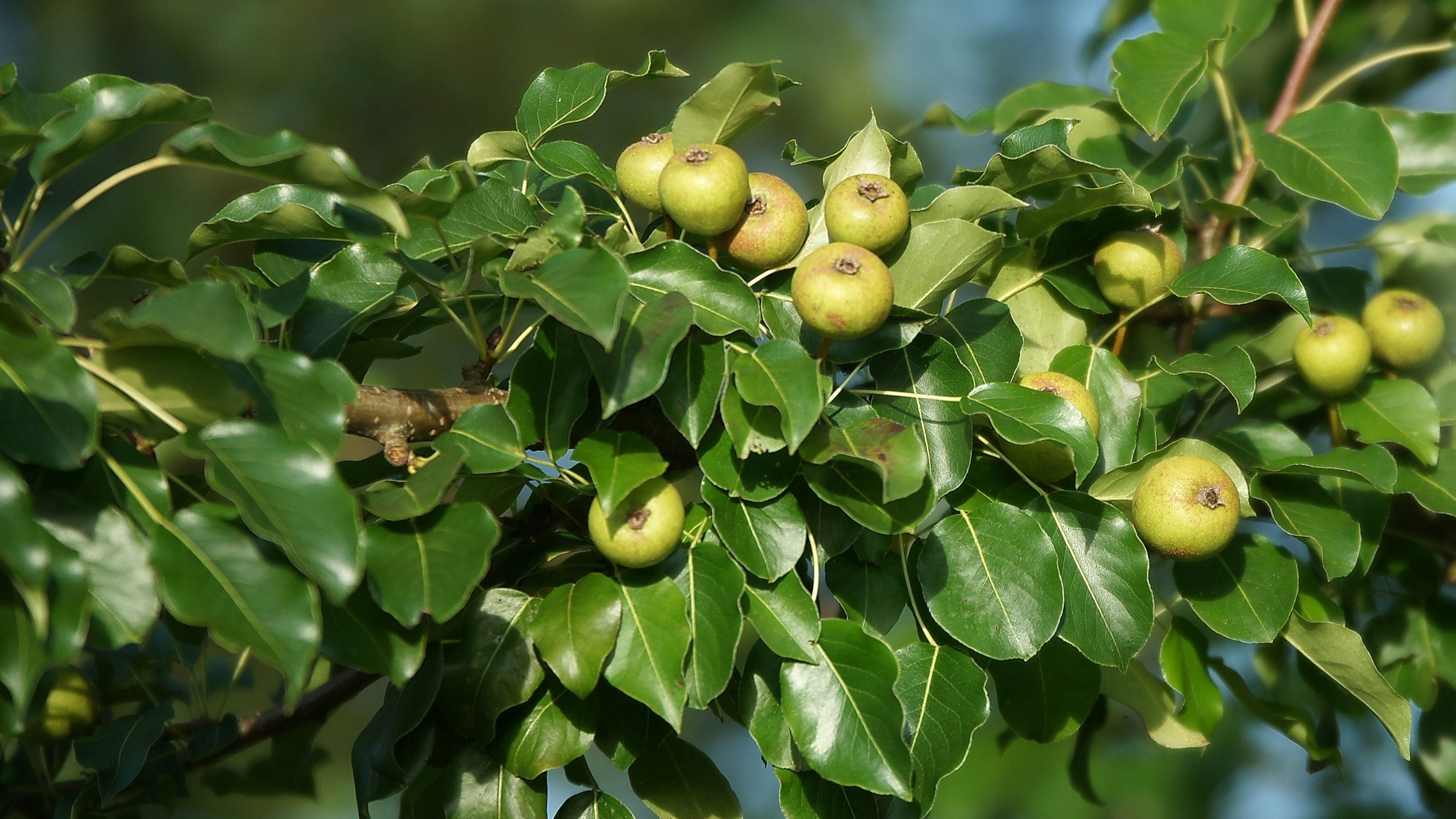
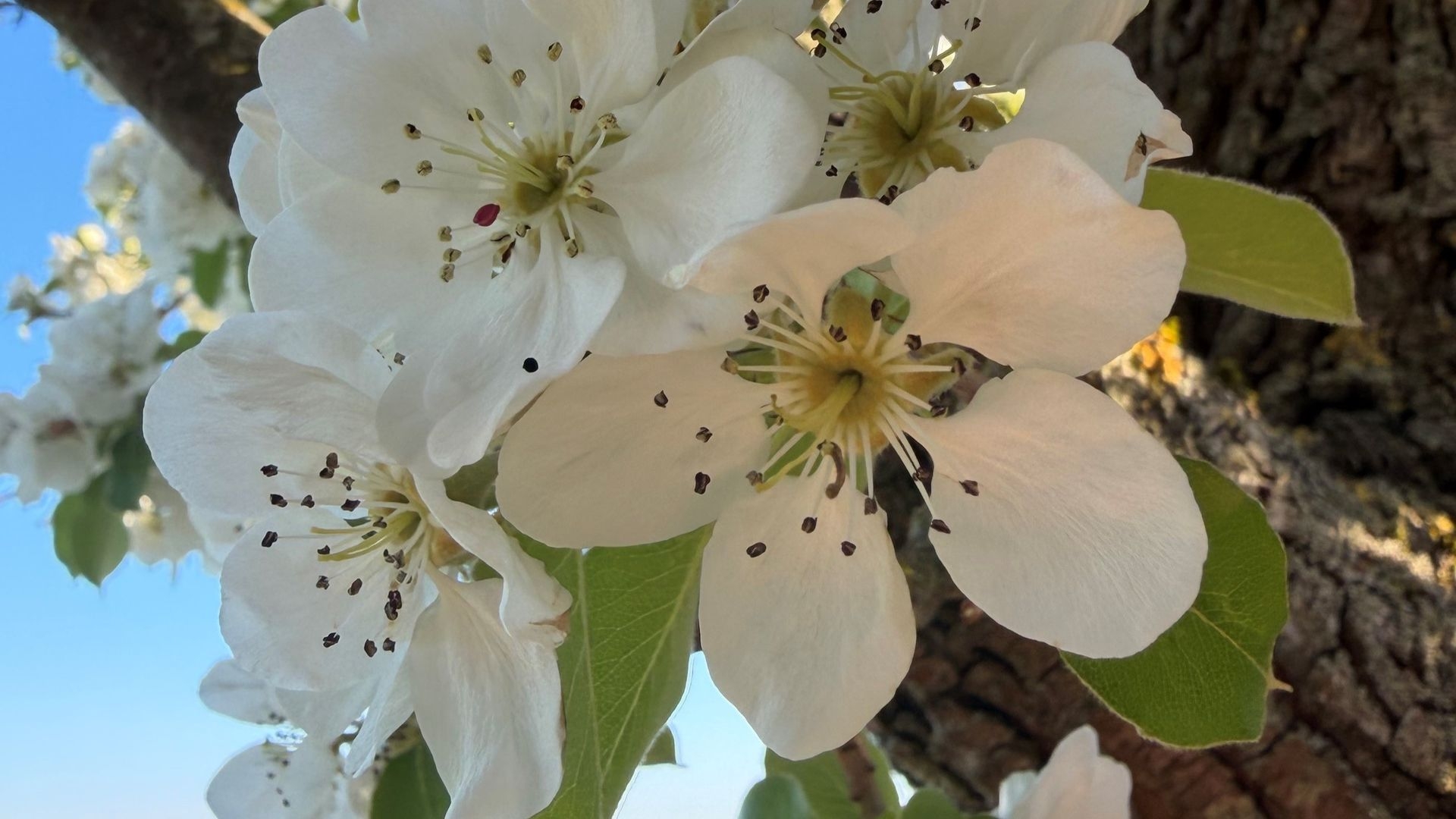
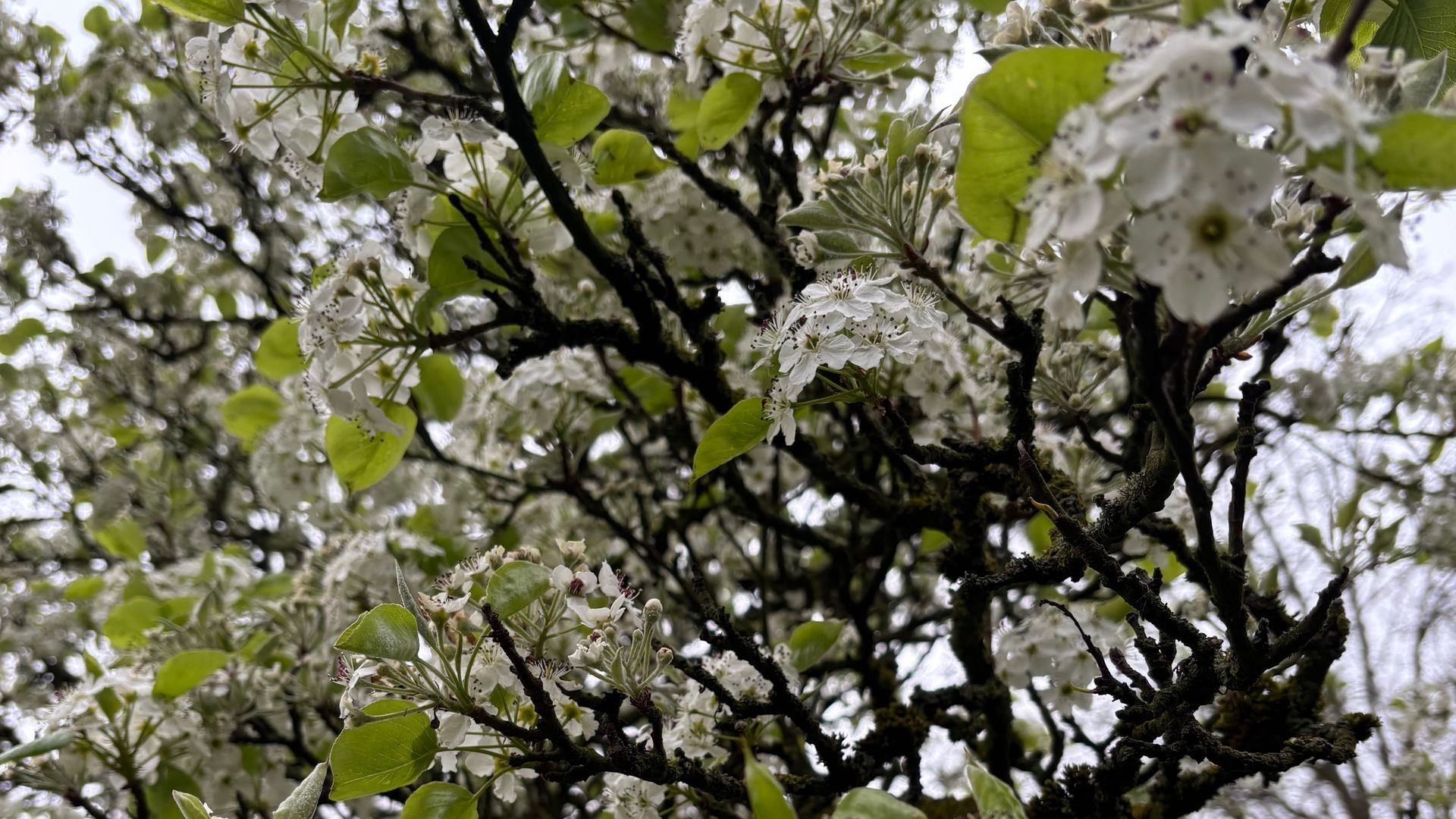
Pyrus spp.Height: up to 15 m, exceptions up to 20 mTrunk: dark brown shedding barkCrown: narrow or broadly conicalLeaves: ovate to elliptical, 5-9 cm long, serrated to smooth-edgedFlowers: white to pink, approx. 3 cm wide, 3 to 9-flowered umbels, in April/MayFruits/seeds: edible fruit, mostly greenish to yellowOther: Around 1,500 to 5,000 varieties worldwide, of which only around 10 are commercially available Photos: Tobias Erras (1), Wolfgang Schödel (2,3)
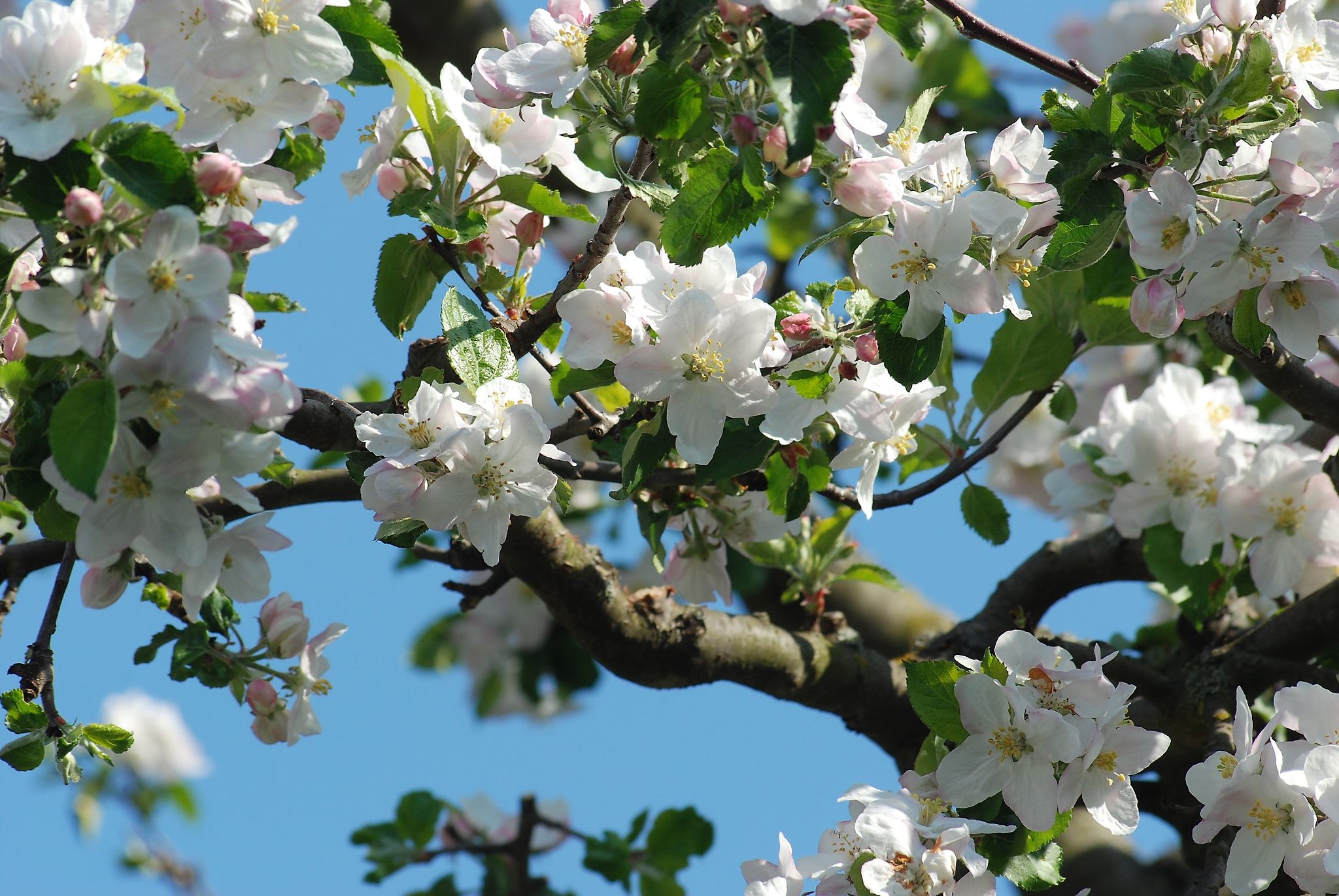
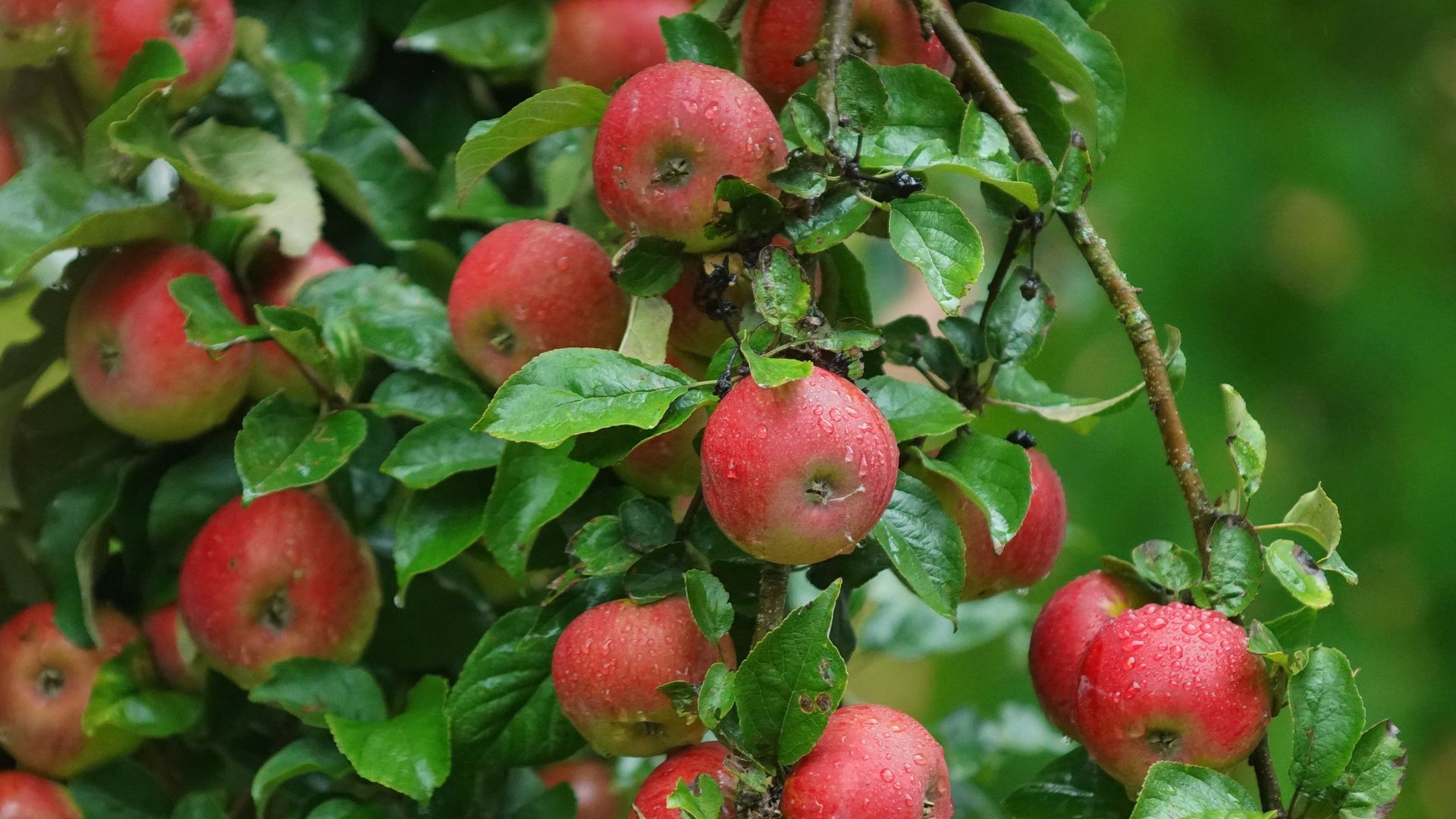
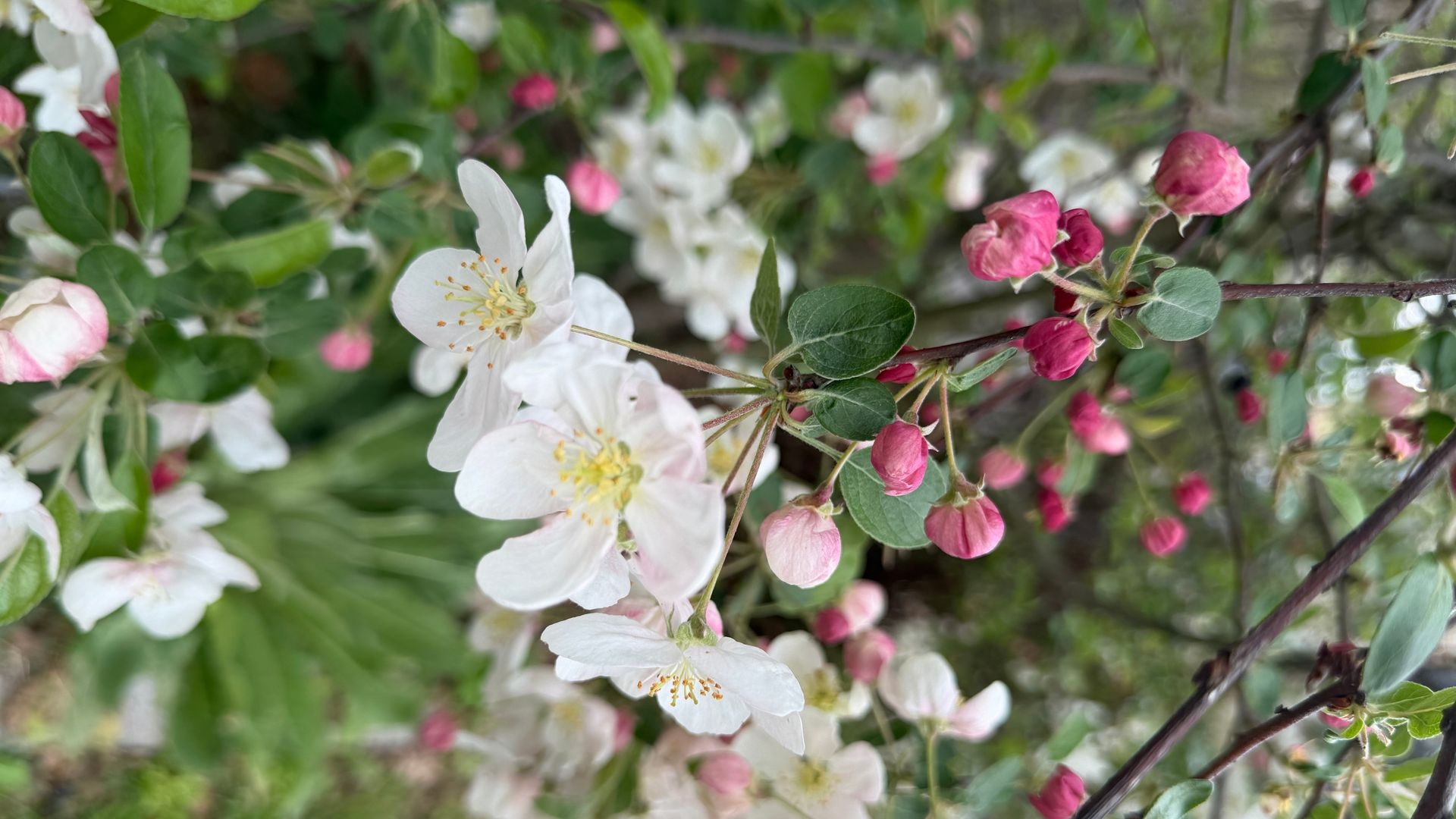
Malus spp.Height: medium-sized tree, up to 15 mTrunk: smooth bark at first, light to dark grey-brown bark flaking off in scales with ageCrown: mostly broadLeaves: elliptical to ovate, up to 12 cm long, soft-haired undersideFlowers: white to pink flowers, in April/MayFruits/seeds: edible fruit, green to red depending on speciesOther: around 30,000 different apple varieties worldwide, 2,000 in GermanyPhotos: Kerstin Ellersdorfer (1,2,3,4,5)
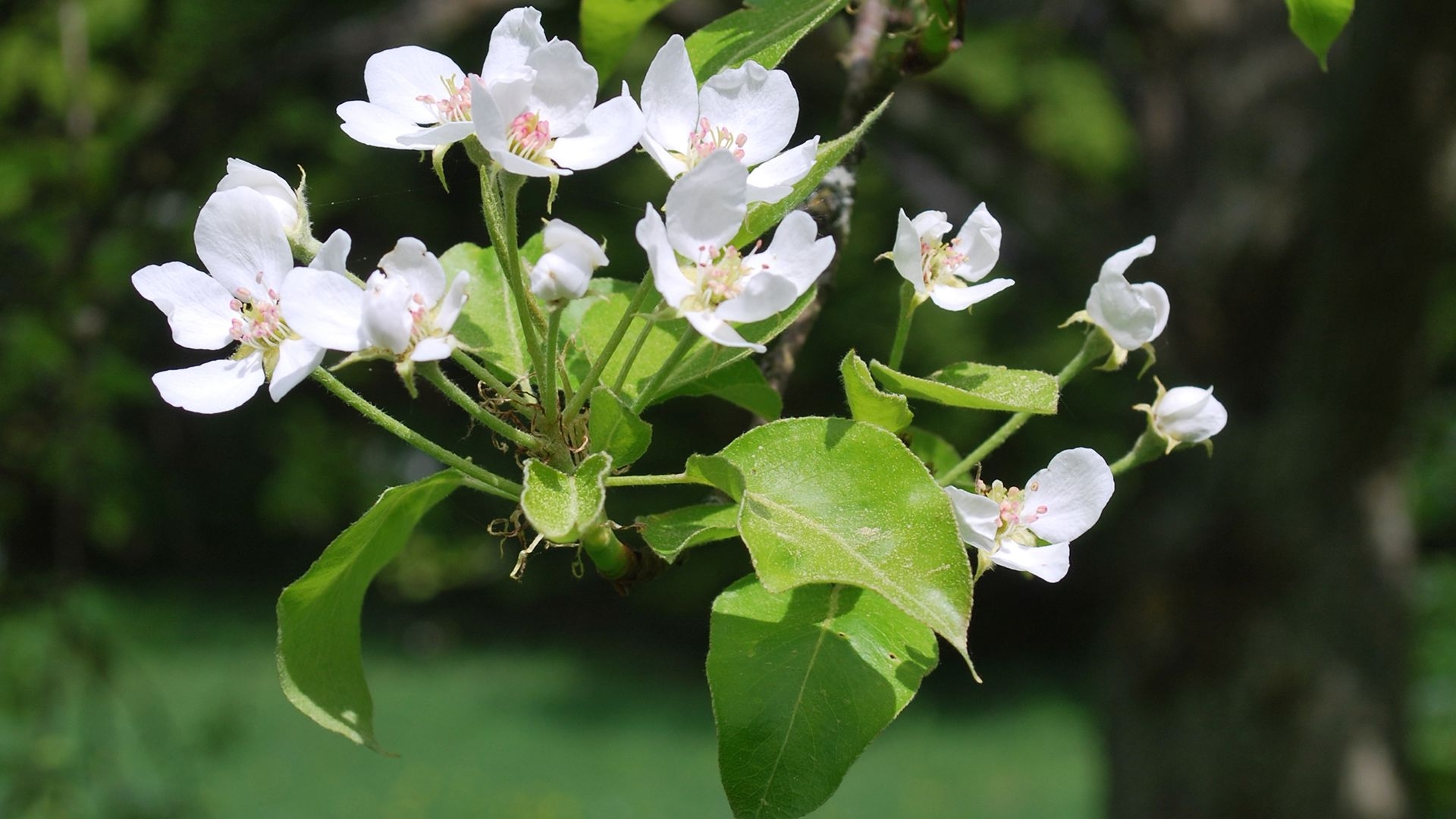
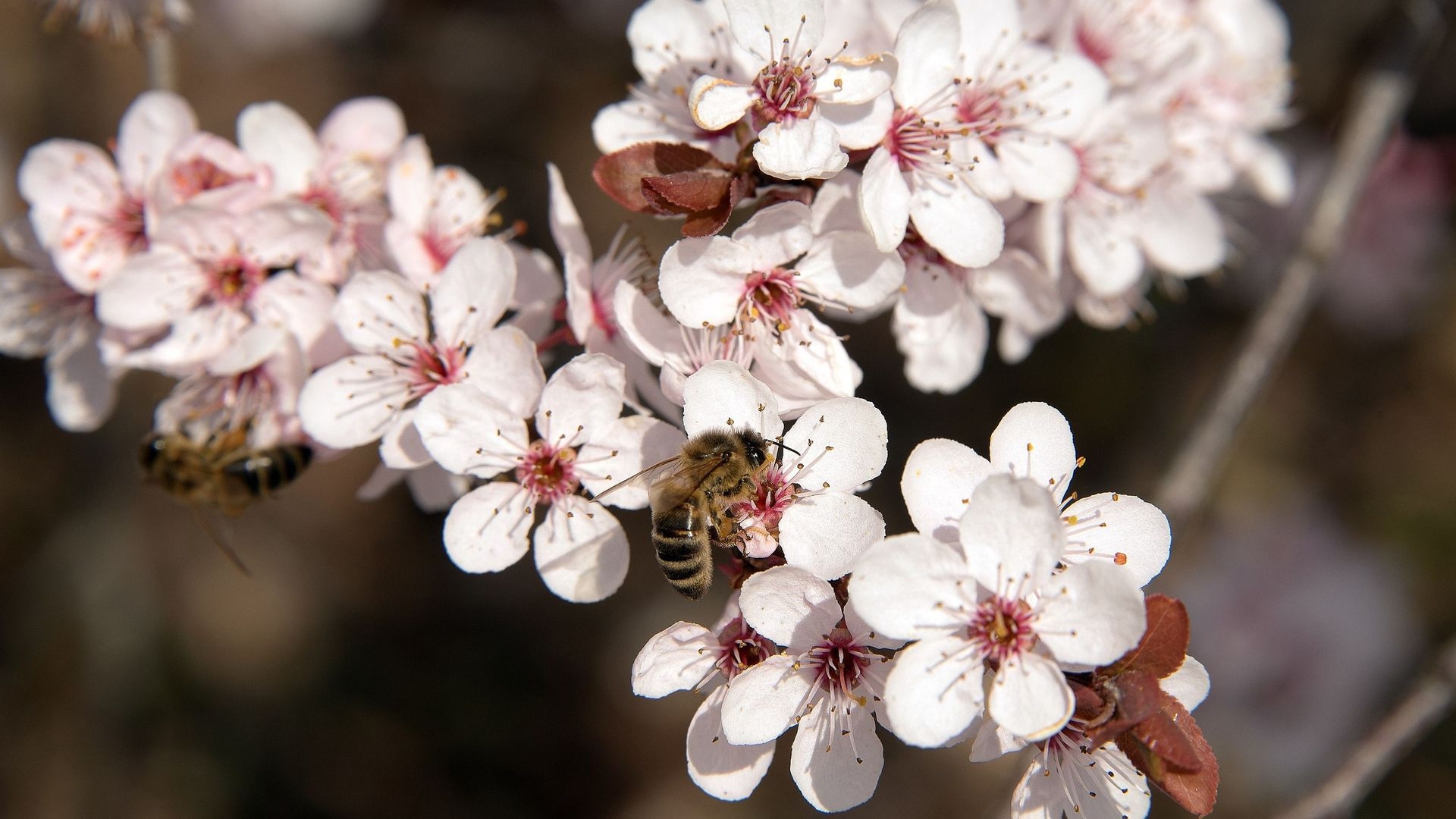
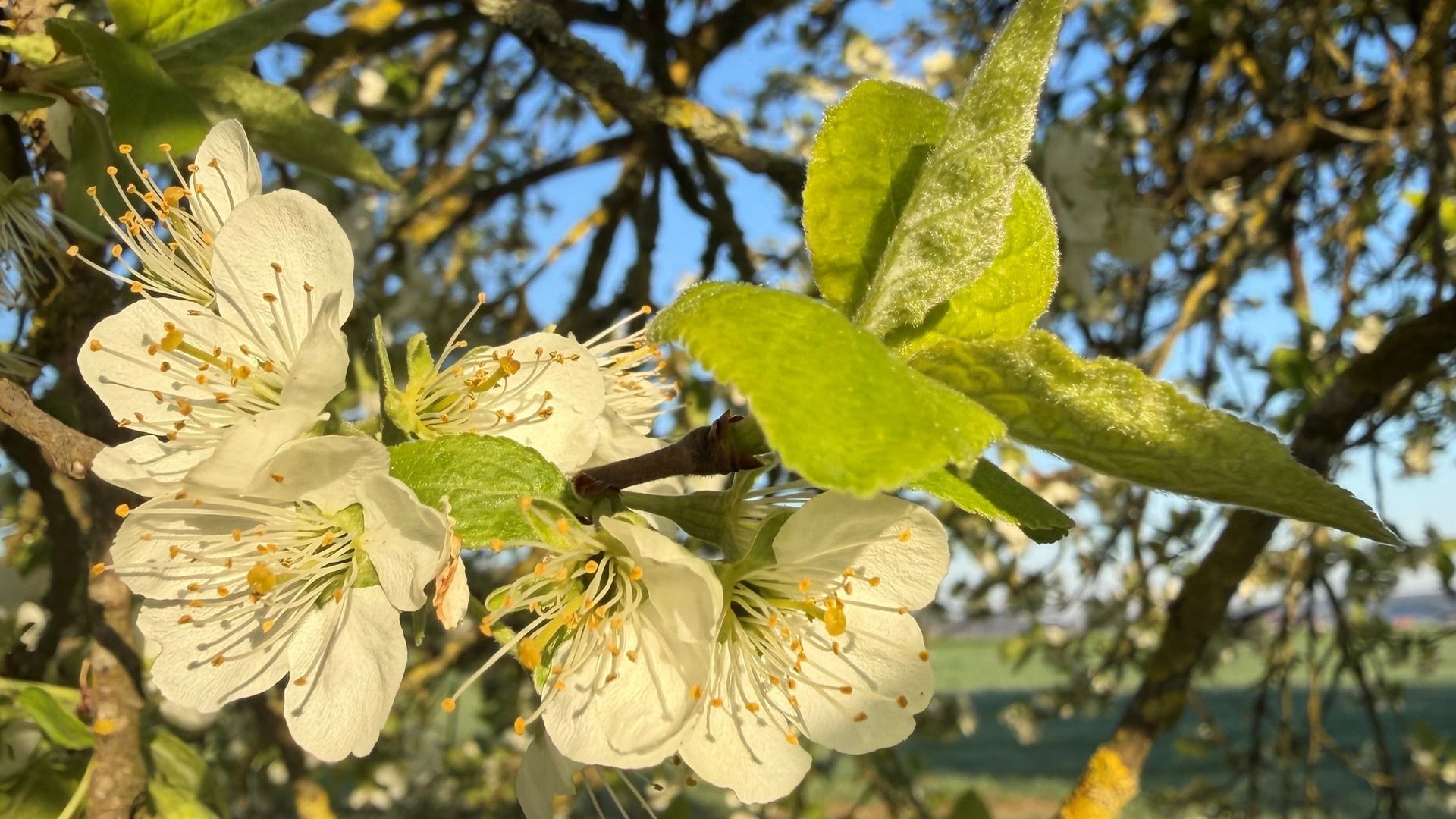
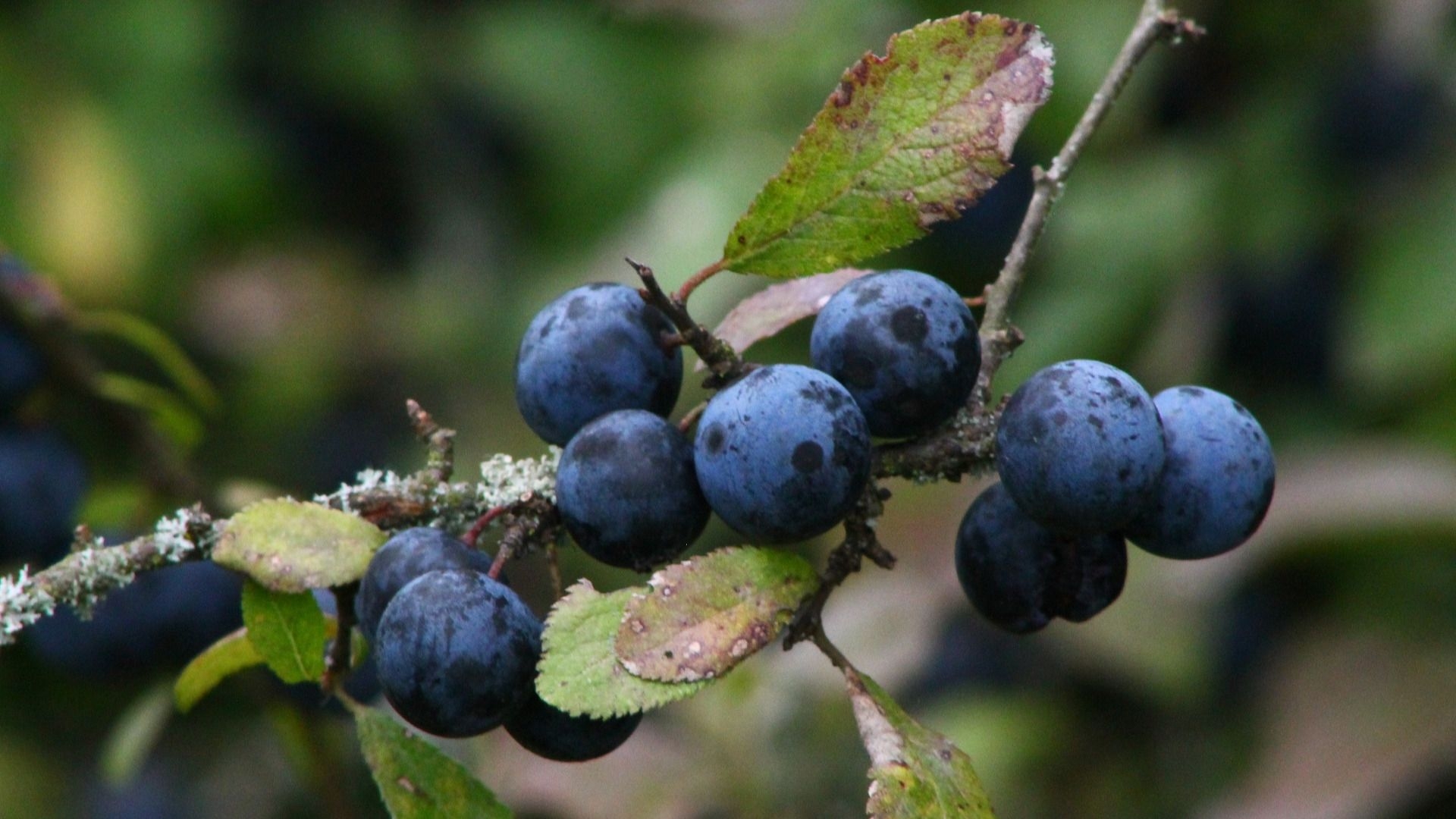
Prunus spp.Height: up to 20 m depending on species, exceptions up to 30 mTrunk: flat-cracked bark, partly shiny, lenticels form clearly horizontal structuresCrown: often broadly spreadedLeaves: elongated ovate to elliptical, 7-12 cm long, pointedFlowers: beautiful white flowers in April/Mai, in 2 to 3-flowered umbelsFruits/seeds: cultivated cherry with aromatic, red to black-red drupes Photos: Heide Frobel (1,2), Janina Deutschmann (3,4), Kerstin Ellersdorfer (5,6)
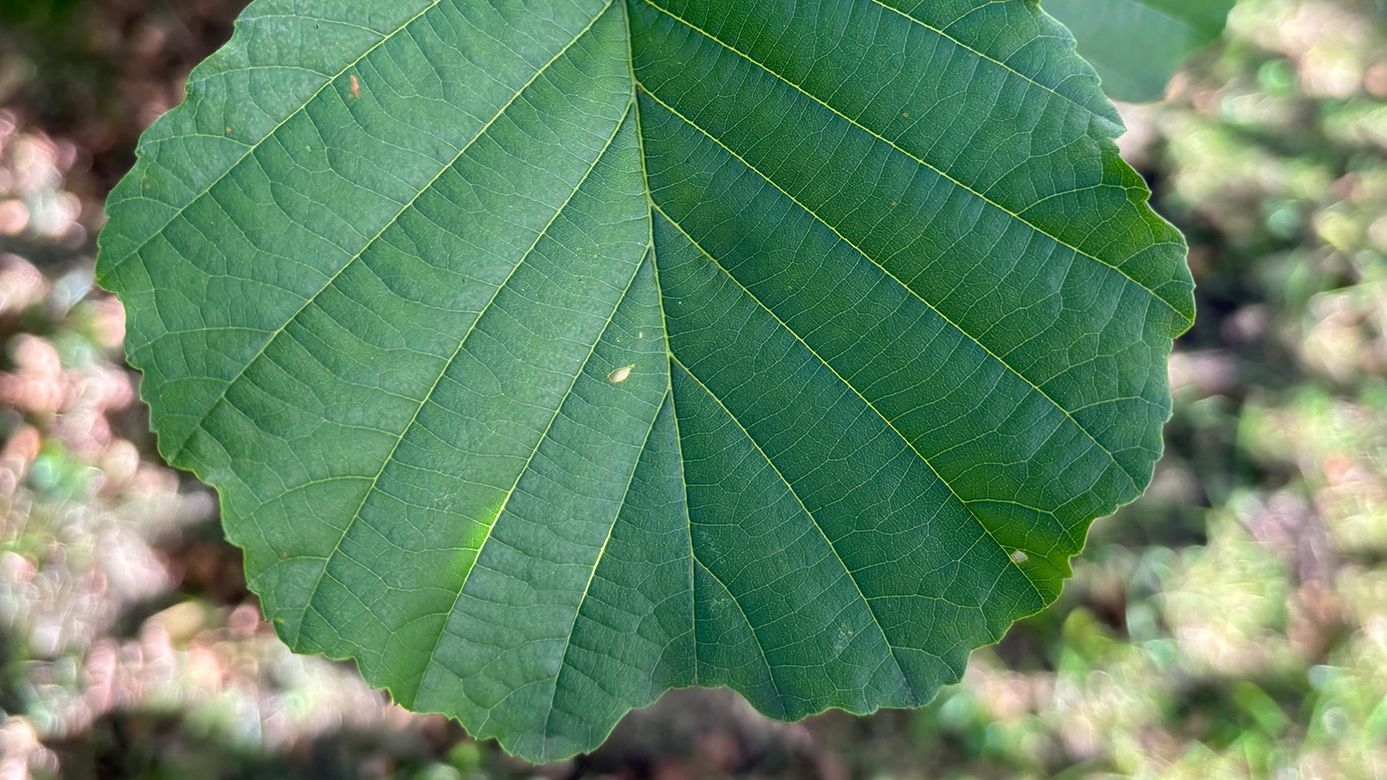
Alnus spp.Height: up to 25 mTrunk: Black-brown bark, longitudinally fissured, often multi-stemmedLeaves: obovate to roundish, recessed tipBuds: sticky budsFruits/seeds: small (approx. 1.5 cm) woody fruit cones (as the only deciduous tree)Other: sheds green leaves in autumn, has root nodules Photos: Janina Deutschmann (1,2,3)
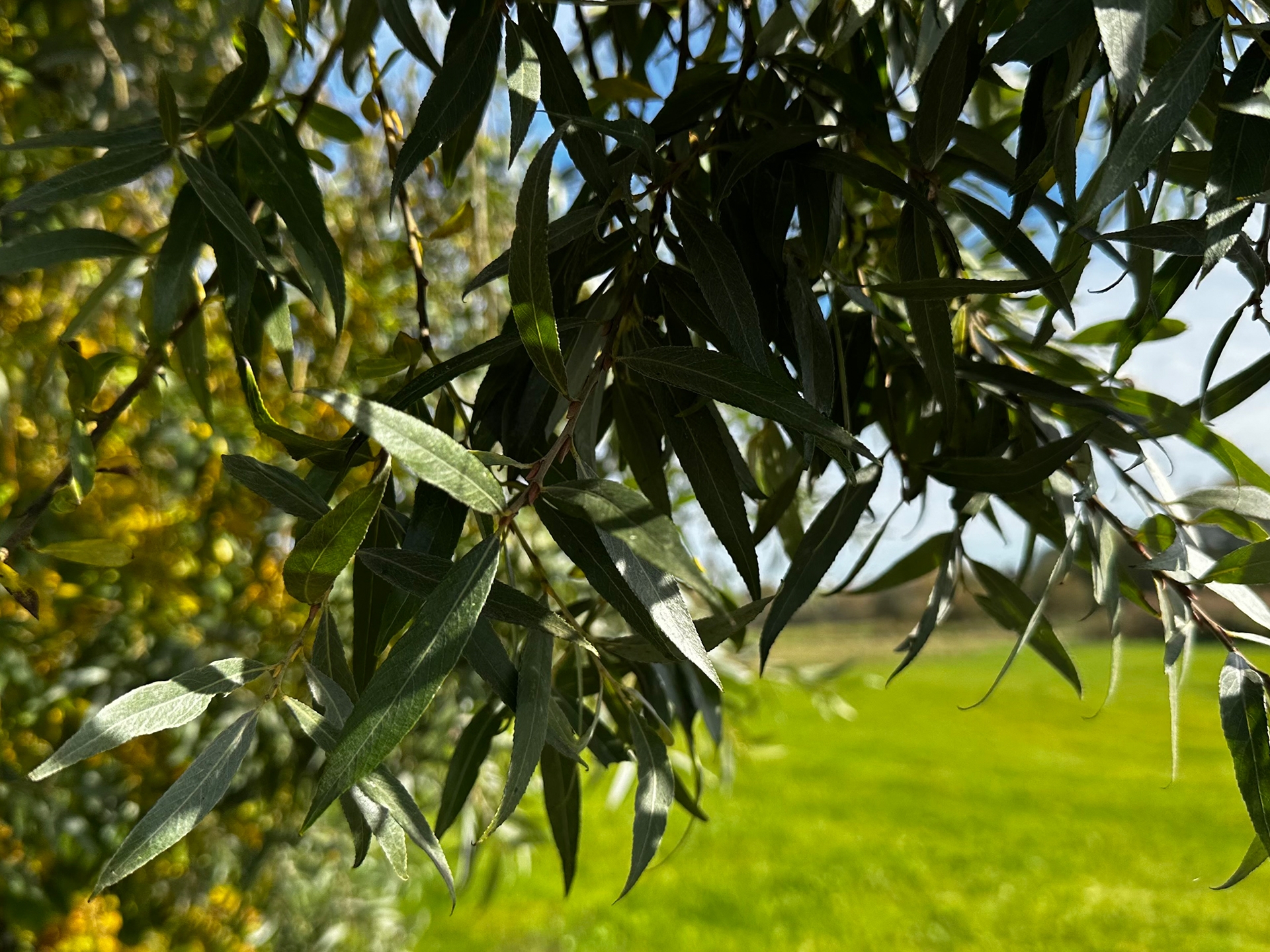
Salix spp.Height: depending on the species, shrub-like to larger treeTrunk: fast-growing, often hollow insideLeaves: elliptical to lanceolate, pointed, alternateFlowers: catkin-shapedOther: 300 to 400 species worldwide, around 30 to 40 different willow species in Germany, usually with strong elasticity of the branchesPhotos: Martina Gehret (1,2)
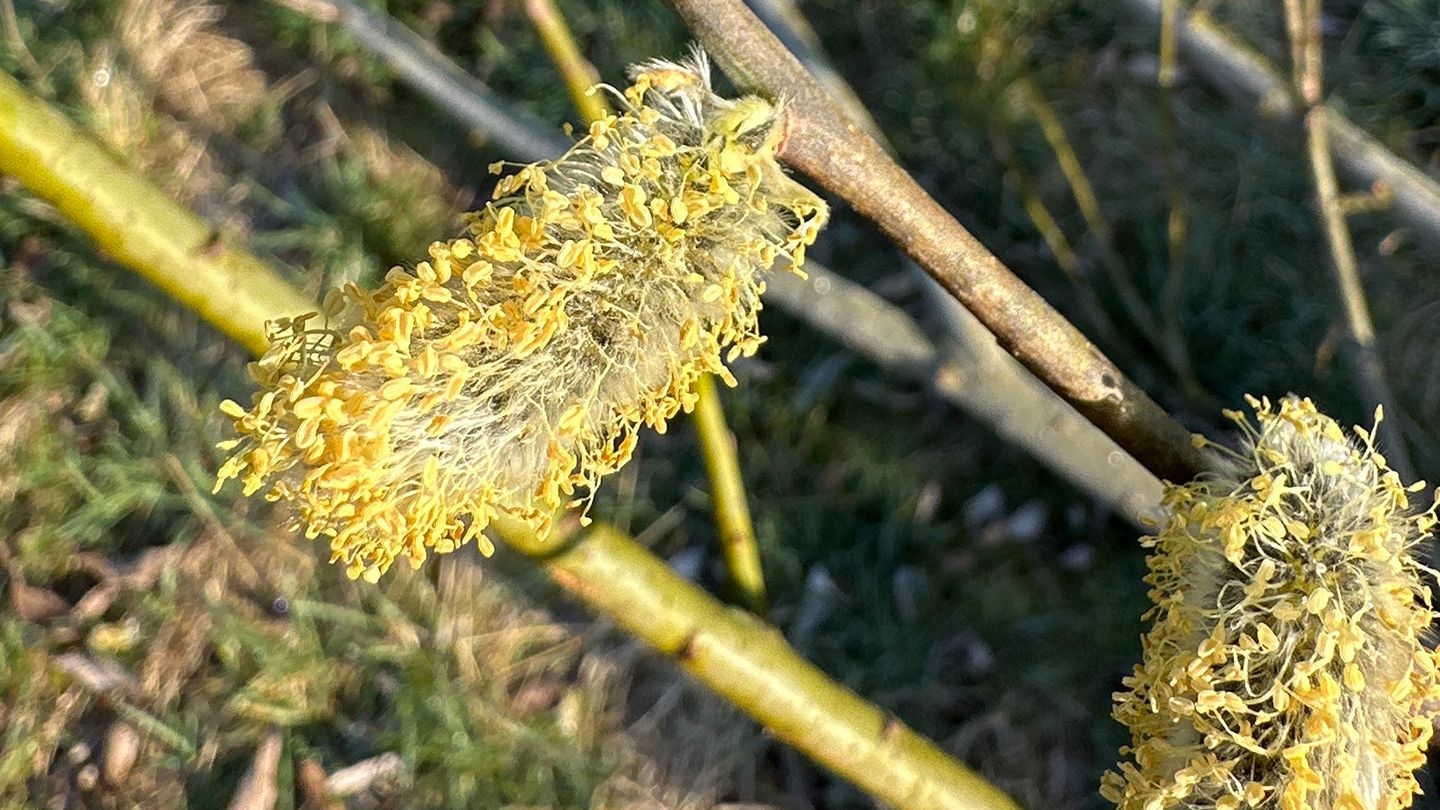
Salix capreaHeight: up to 10 mTrunk: Shrub-like or small tree, grey bark with large diamond-shaped patternsLeaves: Leaves elliptical to obovate, twisted tip, alternateFlowers: palm catkins (up to 3 cm) with dense silvery fur in March/AprilOther: short-lived pioneer species, the only willow species that only occurs outside floodplains and marshes Photos: Martina Gehret (1,2)
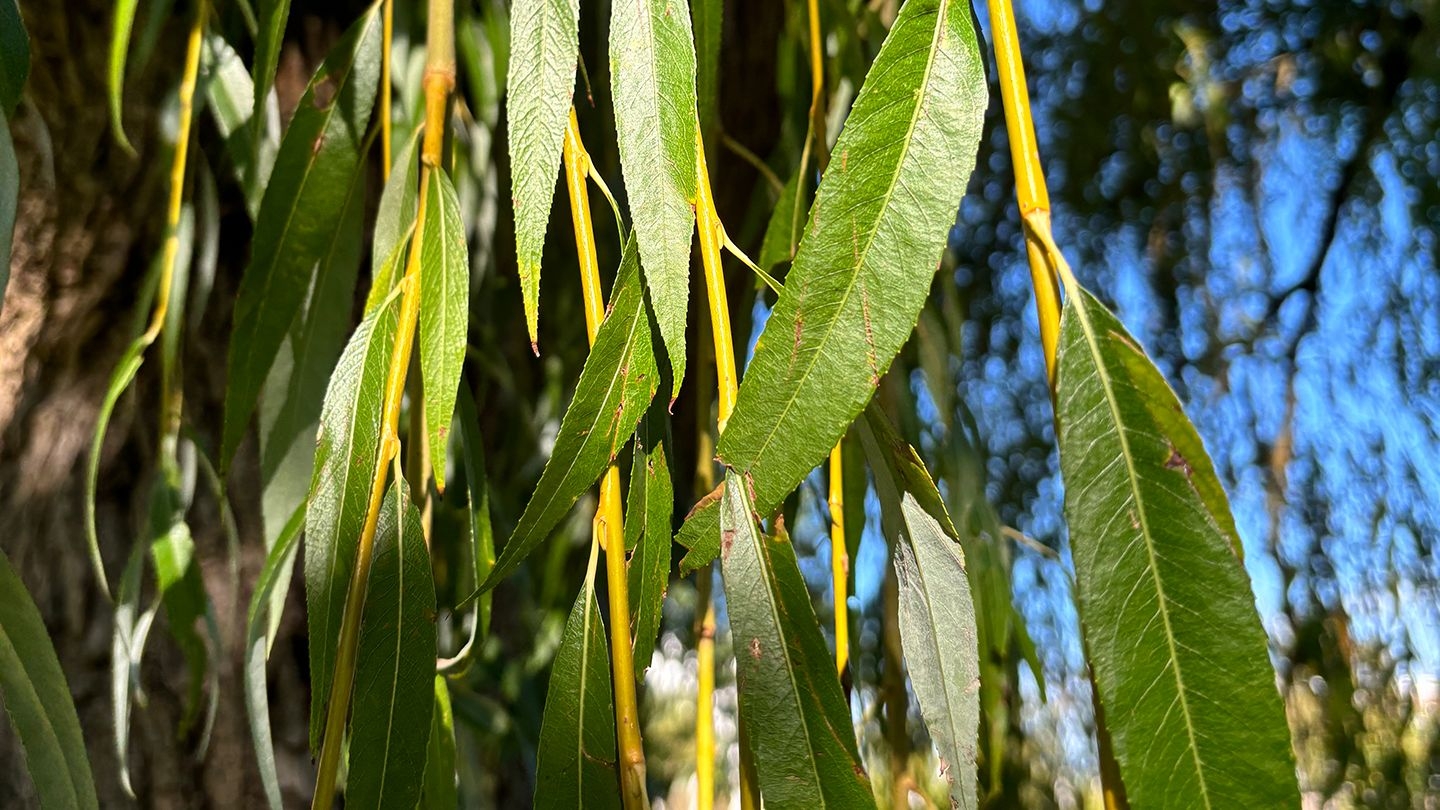
White willowHeight: up to 25 mTrunk: grey bark, deeply longitudinally fissured with broad ribsLeaves: 4-12 cm long, lanceolate, pointed, alternateFlowers: catkinsFruits/seeds: wind dispersal of white fluffed seeds in big clustersFotos: Janina Deutschmann (1,2,3)
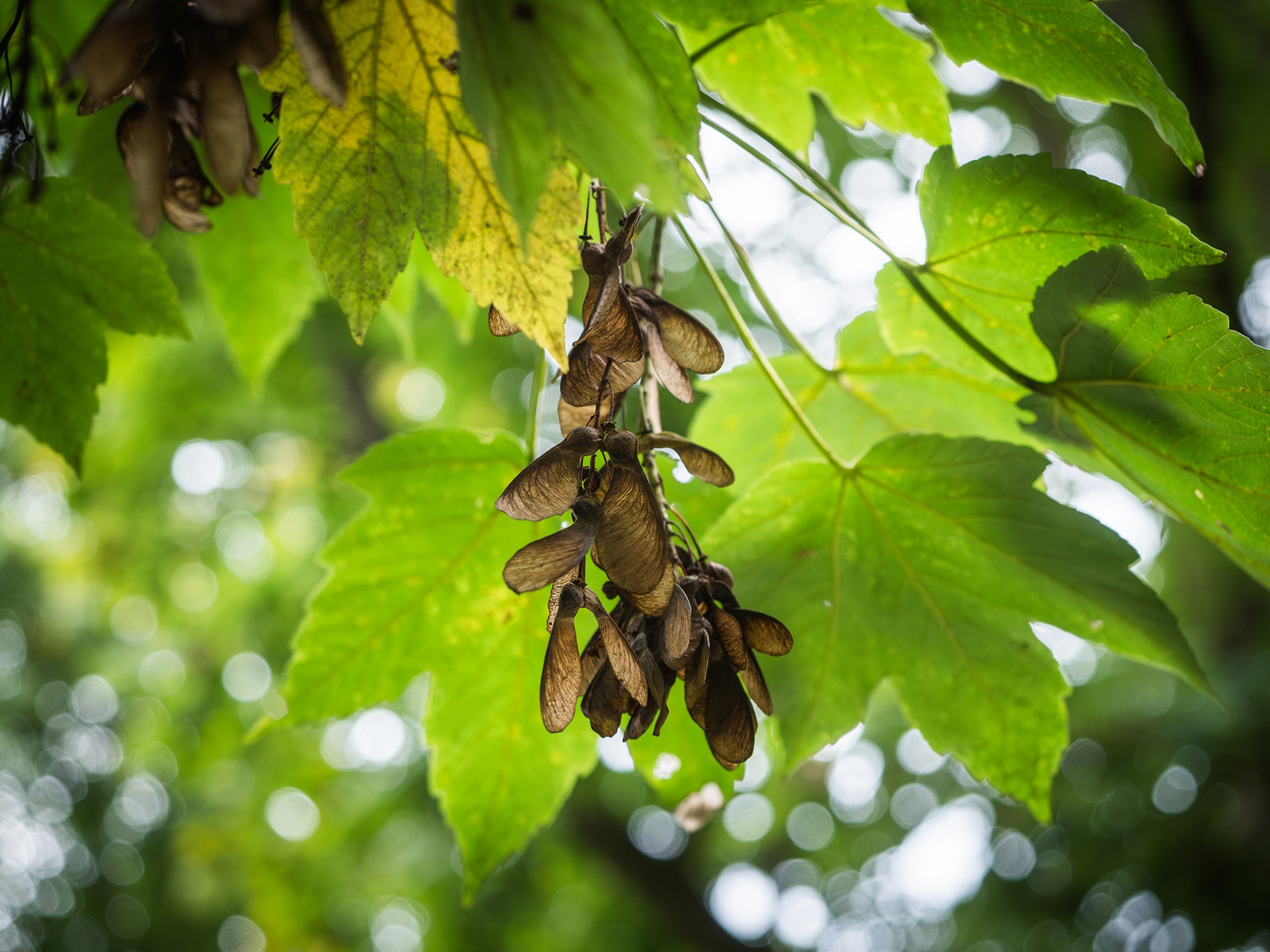
Acer pseudoplatanusHeight: up to 20 mTrunk: bark silvery to grey-brown, with a 'camouflage’ patternLeaves: 5-lobed, rough/blunt, 8-20 cm wide, often red stalk, without milky sapBuds: red budsFruits/seeds: Fruits with right-angeled fruit wings ('nose pincher’) for wind dispersal (approx. 3 cm) Photos: Janina Deutschmann (1,2,3), Kerstin Ellersdorfer (4)

Acer platanoidesHeight: up to 20 mTrunk: bark longitudinally fissured, dark brown to blackishLeaves: 5-lobed with distinct tips, 12-18 cm wide, with milky sapBuds: green budsFlowers: yellow-green, clustered flowers in April/May before leaves emergeFruits/seeds: Fruits with right-angeled fruit wings ('nose pincher’) for wind dispersal (approx. 3 cm) Photos: Janina Deutschmann (1,2,3), Wolfgang Schödel (4)
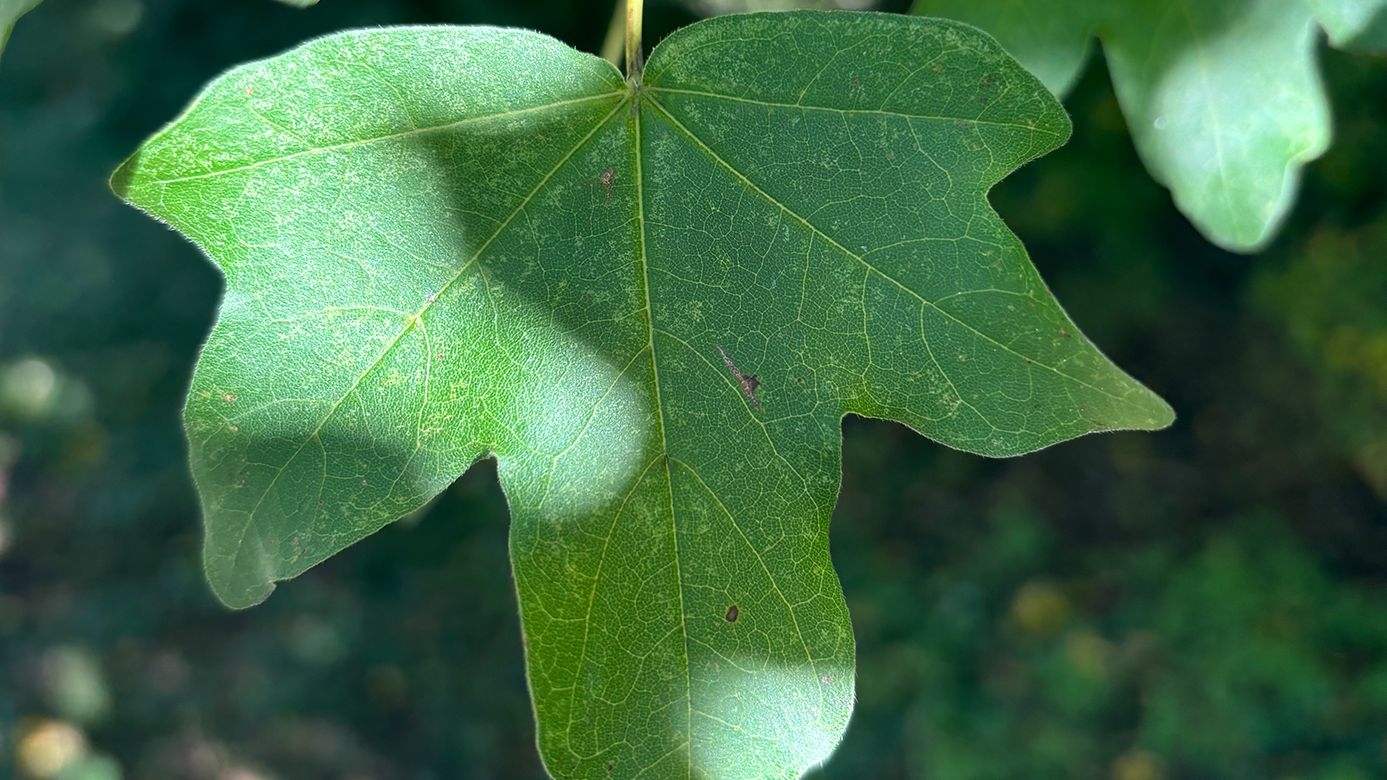
Acer campestreHeight: 10-15 mTrunk: sometimes multi-stemmed and shrub-like, bark fine-longitudinally fissured, smaller growth than other maple speciesLeaves: 3-5 lobed, 5-10 cm wide, round leaf ends, finely haired, with milky sapFruits/seeds: Fruits with horizontal fruit wings ('nose pinchers’) for wind dispersalPhotos: Janina Deutschmann (1,2)
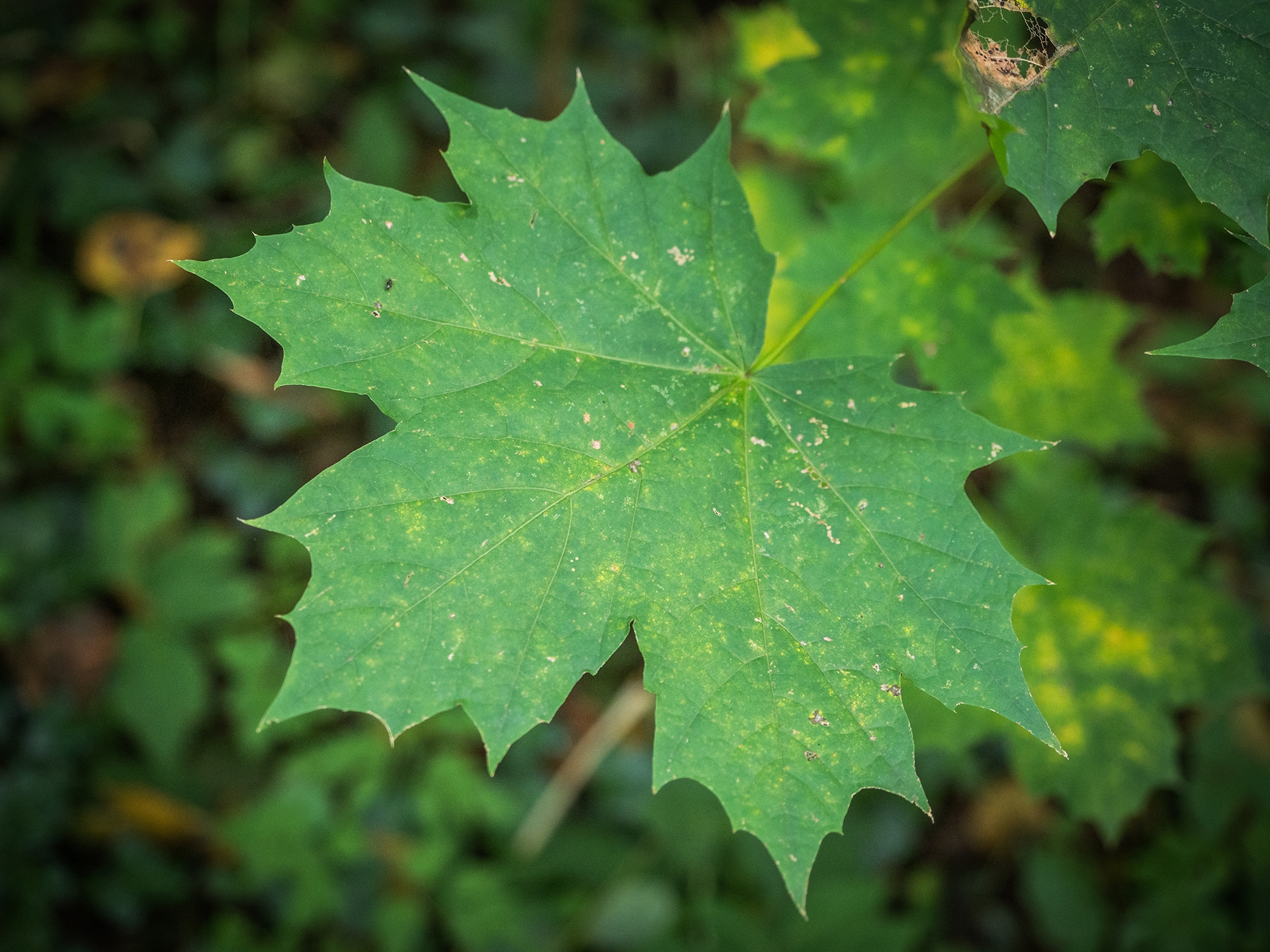
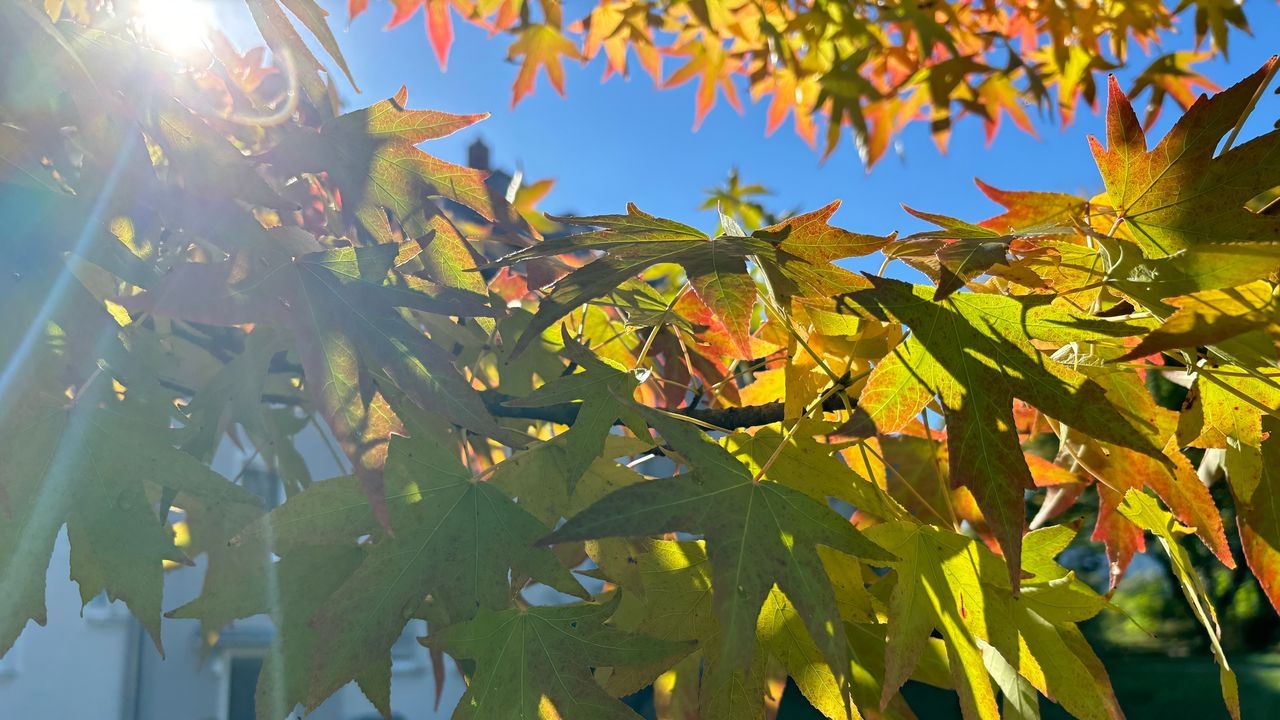
Acer spp.Height: many types of maple trees, from shrubs to large treesTrunk: bark varied (smooth to longitudinally fissured to scaly)Leaves: usually 3-5 lobed, palmate, from 5-20 cm in size, opposed leavesFruits/seeds: Fruits with fruit wings ('nose pincher’) for wind dispersalOther: 3 native maple species and countless species globallyPhotos: Janina Deutschmann (1), Kerstin Ellersdorfer (2)
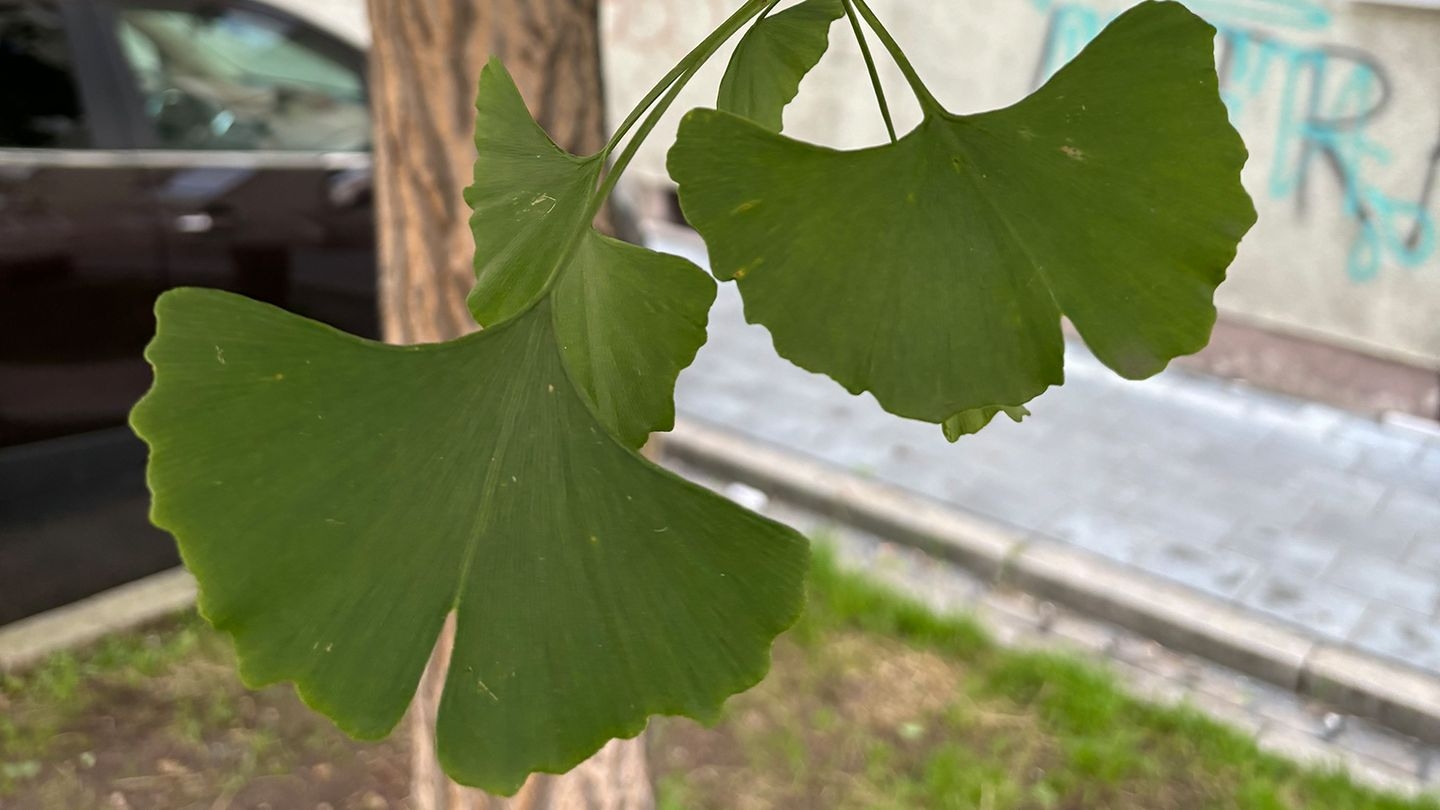
Ginkgo bilobaHeight: usually up to 20 m, exceptions up to 40 mTrunk: grey bark, longitudinally fissured, broadly furrowedLeaves: fan-shaped, leathery, coarse, up to 10 cm long, notched in the middle, strikingly yellow in autumnFruits/seeds: plum-like yellow, strong unpleasant odourPhotos: Janina Deutschmann (1,2,3)
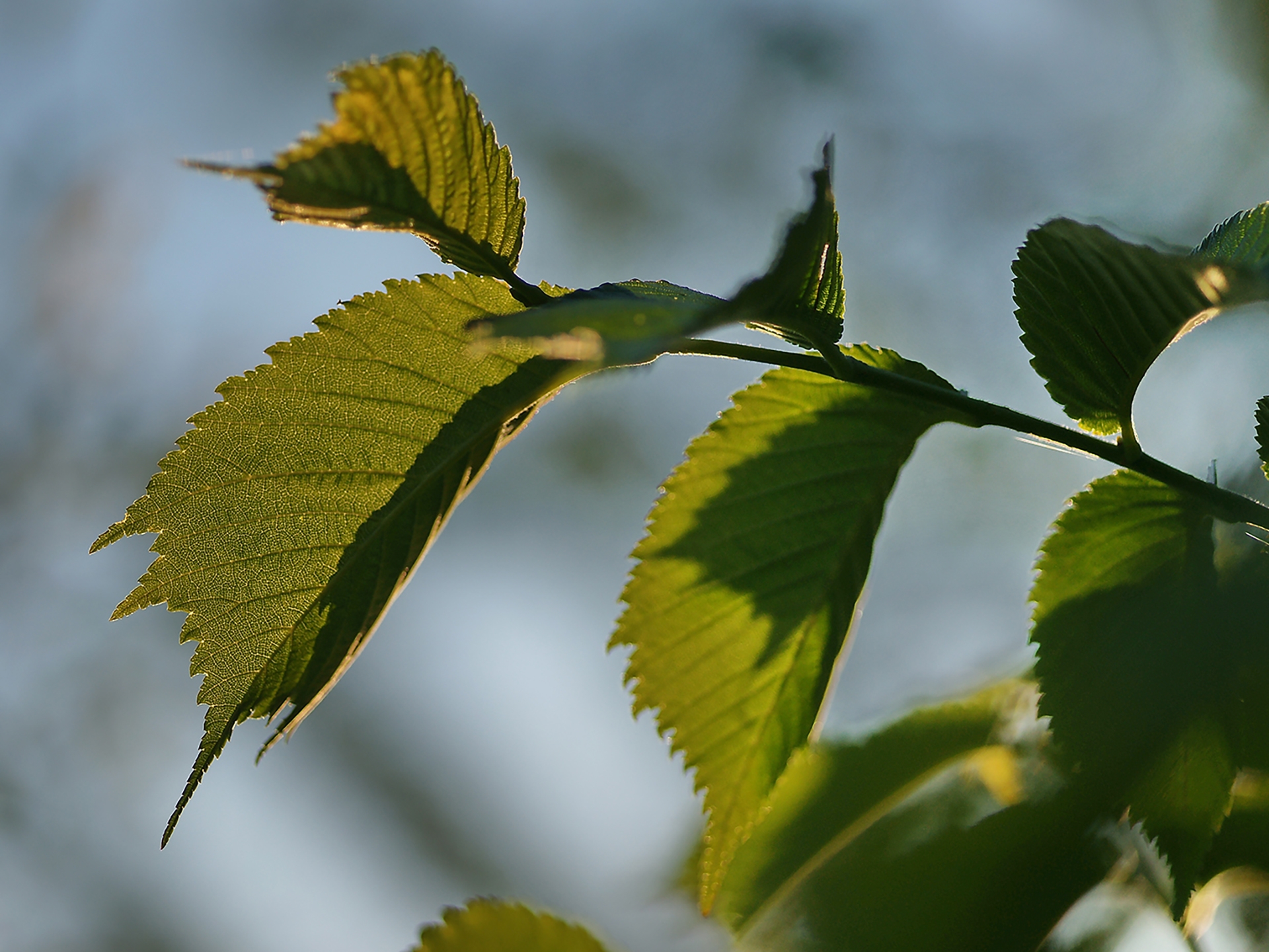
Ulmus spp.Height: up to 30 mTrunk: deeply furrowed barkLeaves: obovate to elliptical, with clear asymmetrical leaf base on stem, more or less hairy, serrated leaf margin, rustlingFruits/seeds: round to ovoid, resembling wafer-thin leaflets with a seed in the centre, in clustersOther: rare tree species, 3 species in Germany that are difficult to distinguishPhotos: Martina Gehret (1,2,3,4), Wolfgang Schödel (5,6)
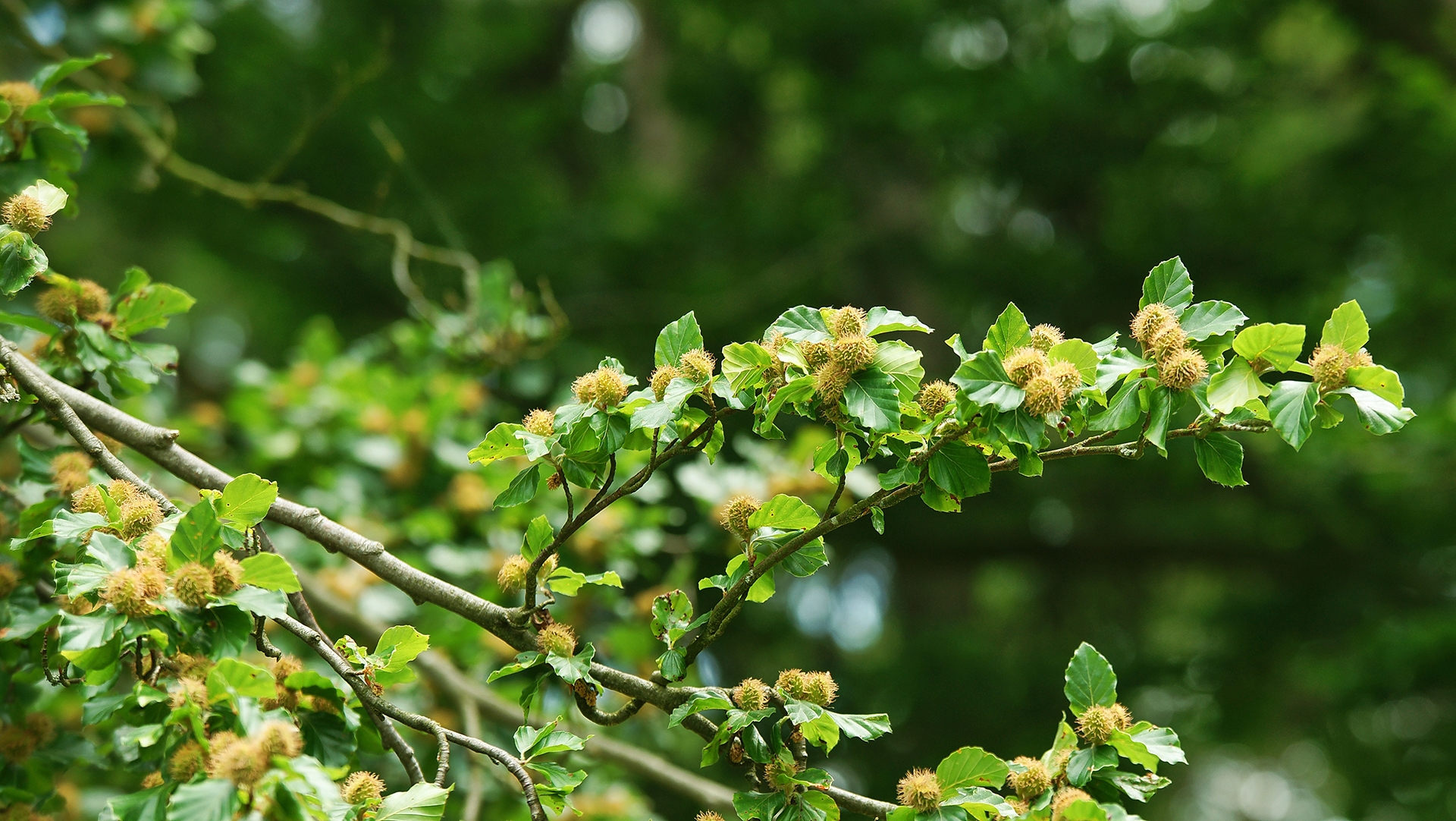
Fagus sylvaticaHeight: up to 30 mTrunk: smooth, grey-brown barkLeaves: ovate to elliptical, 5-10 cm long, wavy to slightly toothed edges, initially hairyFruits/seeds: triangular, edible nuts in spiky fruit cupsOther: Shade tree species, special form of copper beech with red leaves Photos: Wolfgang Schödel (1,4), Janina Deutschmann (2,3)
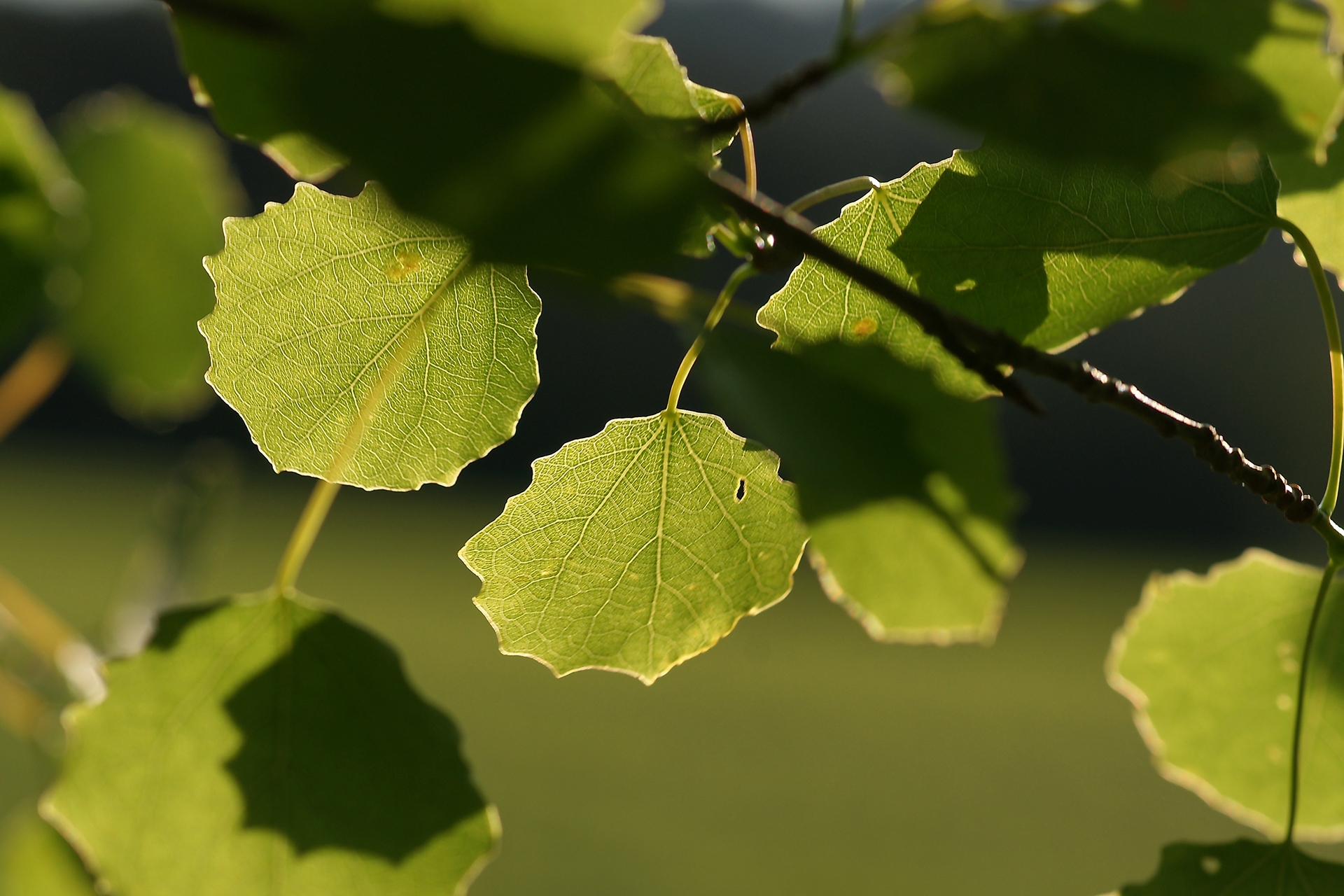
Populus tremulaHeight: up to 20 m, exceptions up to 30 mTrunk: narrow, often slightly twisted, grey bark with horizontal stripesCrown: Loose, roundish, broadly spreadingLeaves: round to heart-shaped, toothed edges, long laterally flattened petioles that cause the characteristic 'trembling’ of the leaves in a light windFlowers: reddish (male) or greenish (female) catkins in March/April before the leaves emergeFruits/seeds: capsules containing many small, hairy seeds (wind...
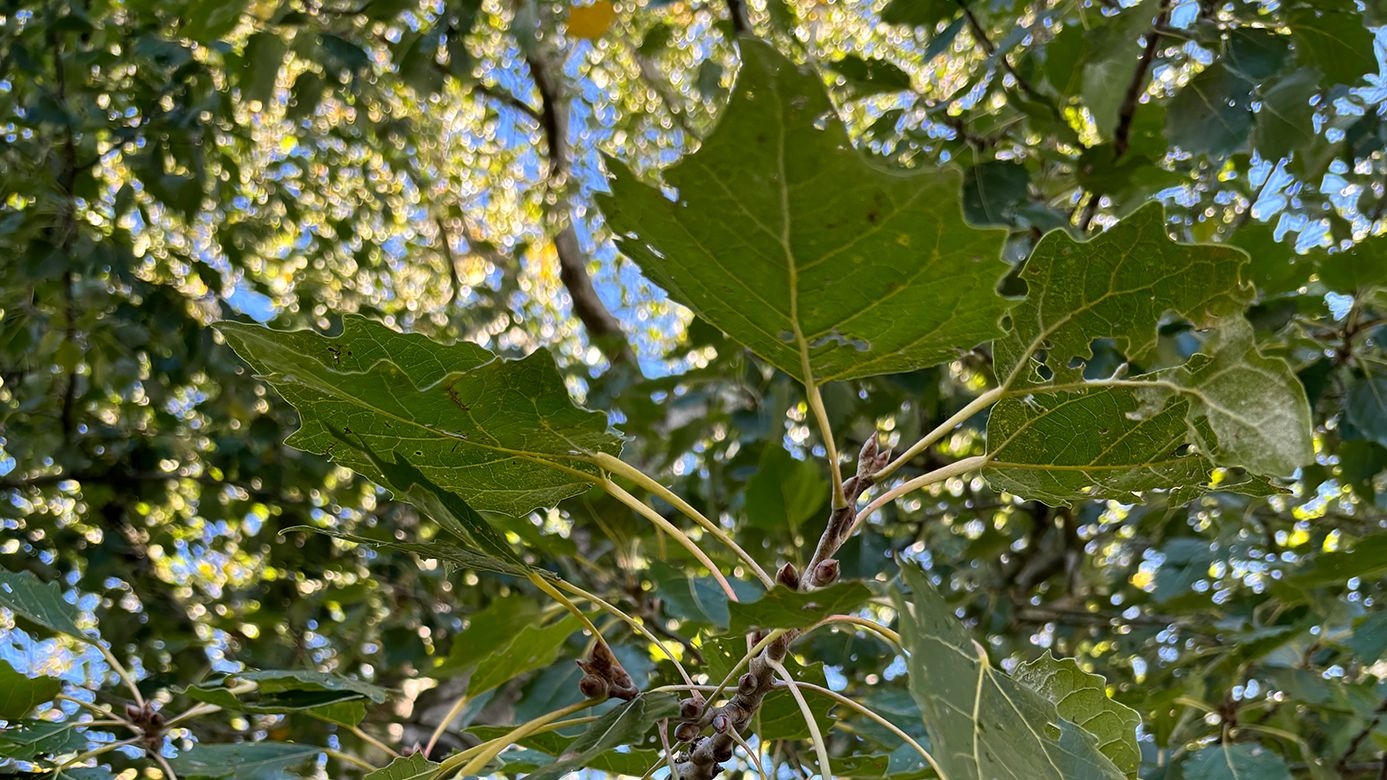
Populus x canescensHeight: up to 30 mTrunk: initially smooth, light-coloured, dark, deeply furrowed bark with ageLeaves: roundish to triangular (approx. 7 cm), long, flattened, hairy leaf stalk, dark, shiny grey-green upper side, densely silver-haired undersideFlowers: grey to reddish (male) or greenish (female) catkins in April before leaves emergeOther: hybrid of Populus alba and Populus tremula Photos: Janina Deutschmann (1,2,3)
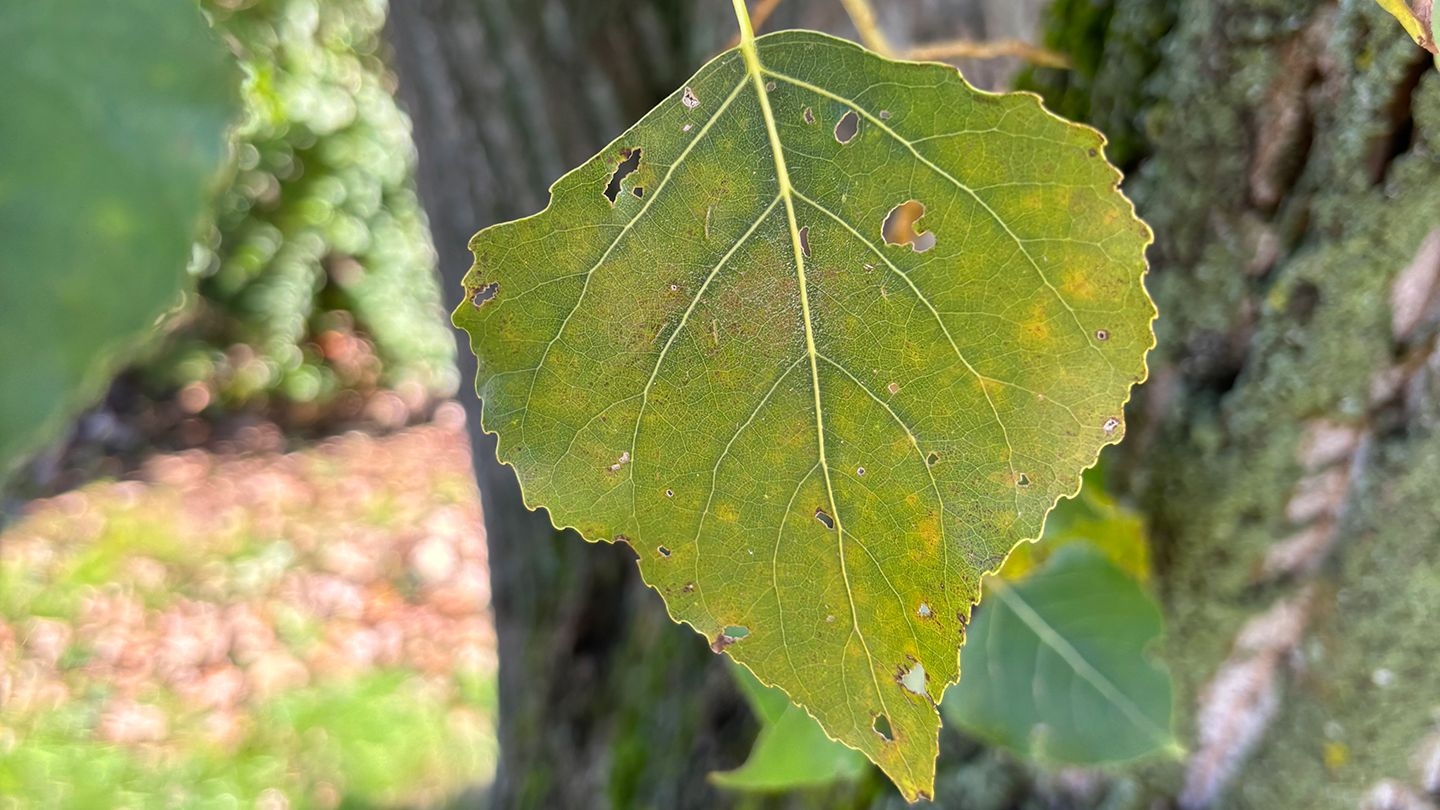
Populus x canadensisHeight: up to 30 m, fast-growingTrunk: grey barkCrown: forms widely spreading crownsLeaves: triangular to rhombic, 7-10 cm long, serrated margins, flattened, reddish petioleFlowers: long catkins in March/April before leaves emergeOther: hybrid of Populus nigra and Populus deltoidesPhotos: Janina Deutschmann (1,2,3)

Populus nigra 'Italica'Height: up to 25 mTrunk: grey bark, deeply longitudinally fissuredCrown: narrow, columnarLeaves: triangular to diamond-shaped, with fine serrated edges, 5-12 cm long, on flattened stemFlowers: drooping, red catkins in March/April before leaves emergeOther: frequent urban tree, cultivated from native black poplarPhotos: Martina Gehret (1,2)
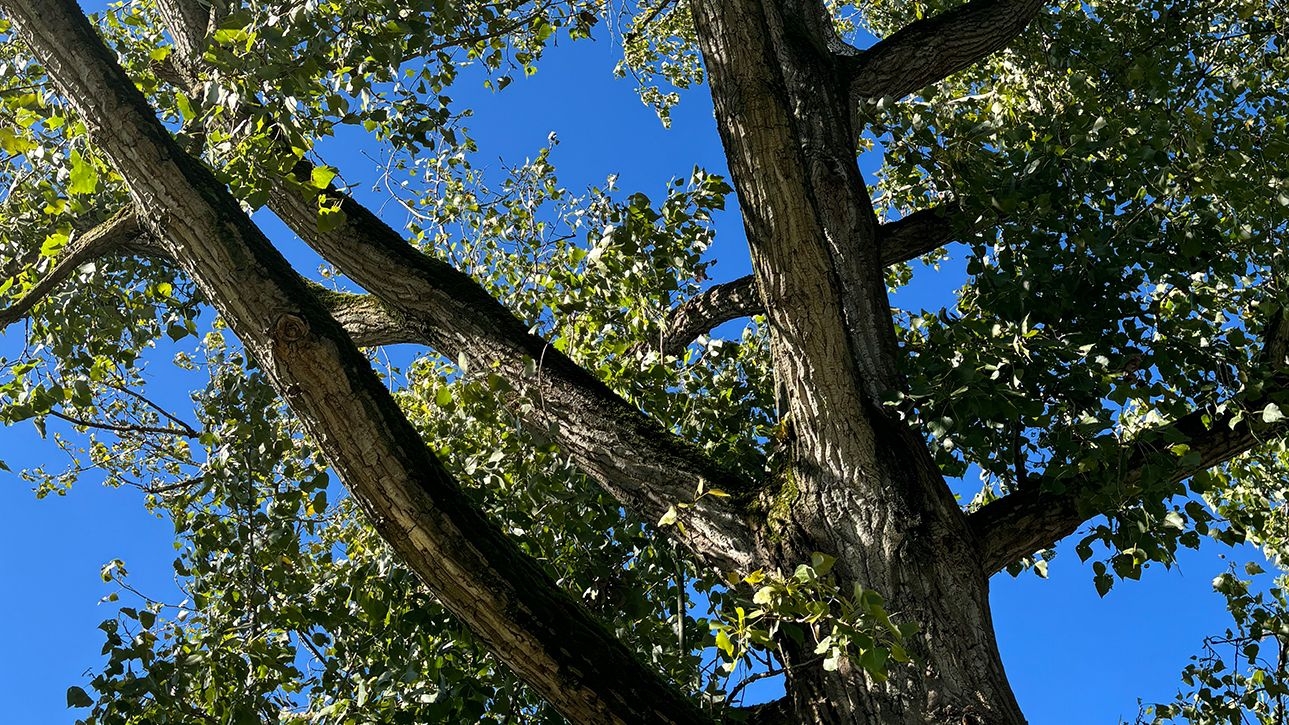
Populus spp.Height: up to 30 mStem: grey, dark barkLeaves: mostly heart-shaped or triangular with long petiolesFlowers: drooping catkinsFruits/seeds: Capsules containing many small, hairy seeds (wind dispersal)Other: fast-growing deciduous tree that belongs to the willow familyPhotos: Janina Deutschmann (1,2,3), Martina Gehret (4)
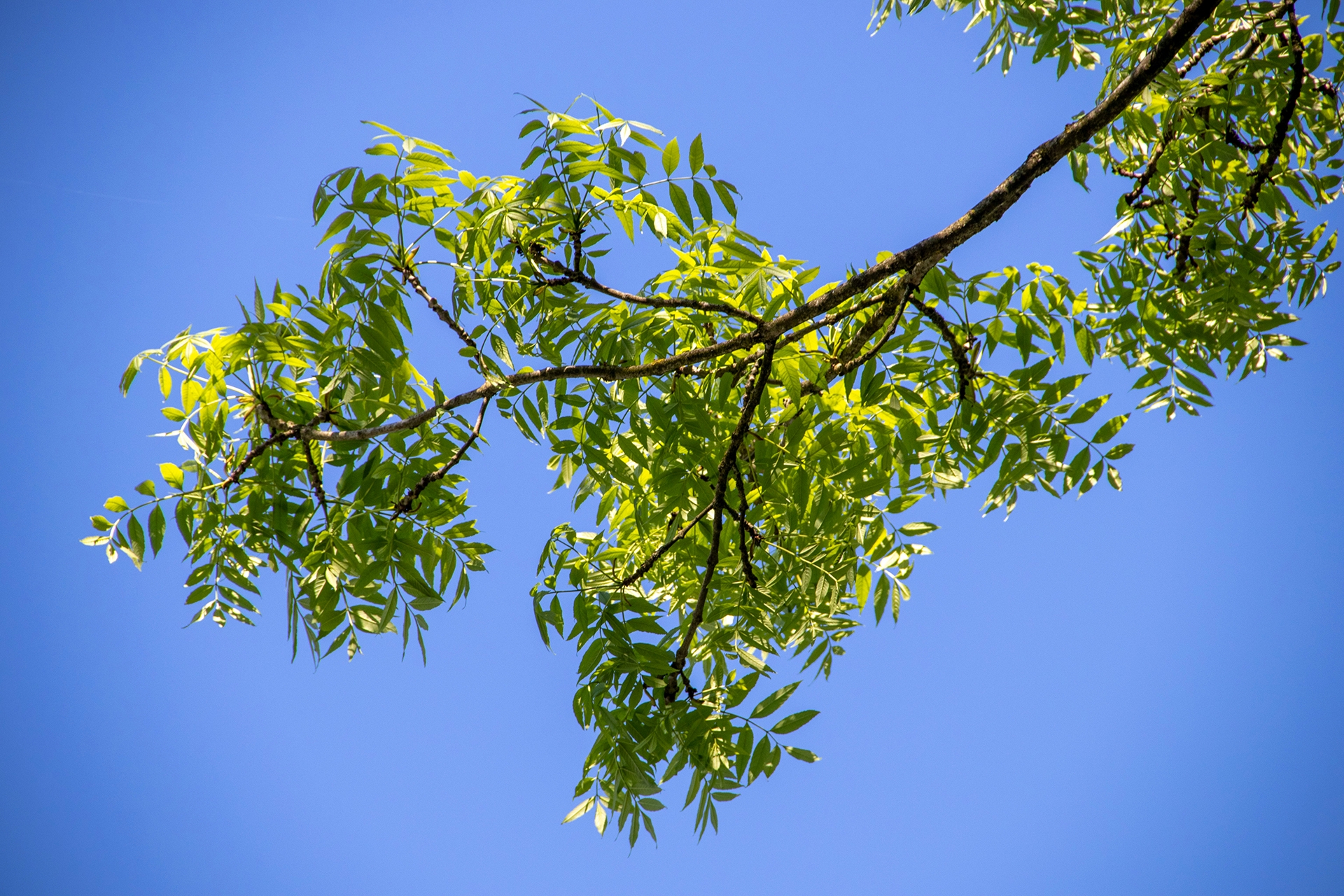
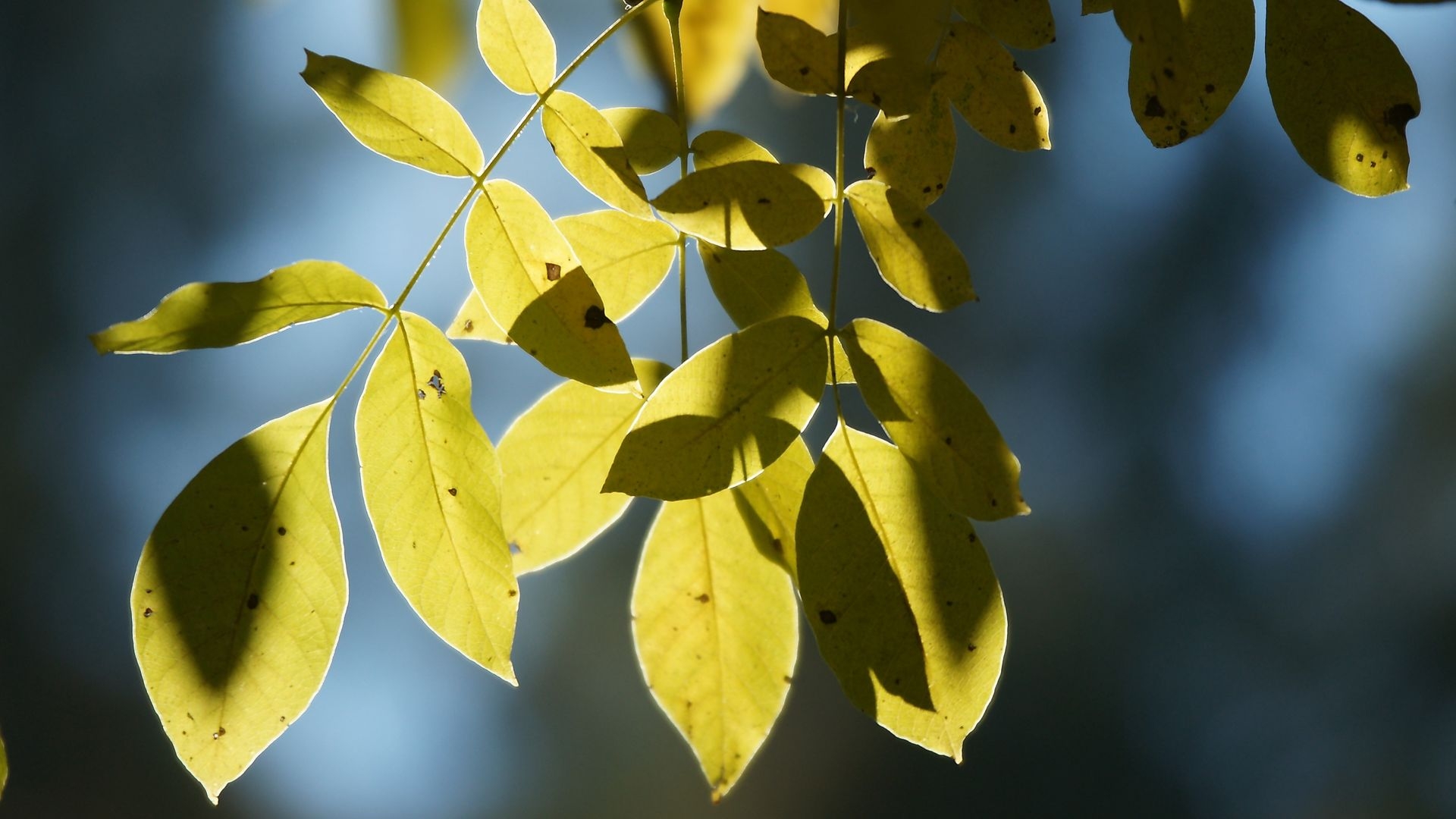
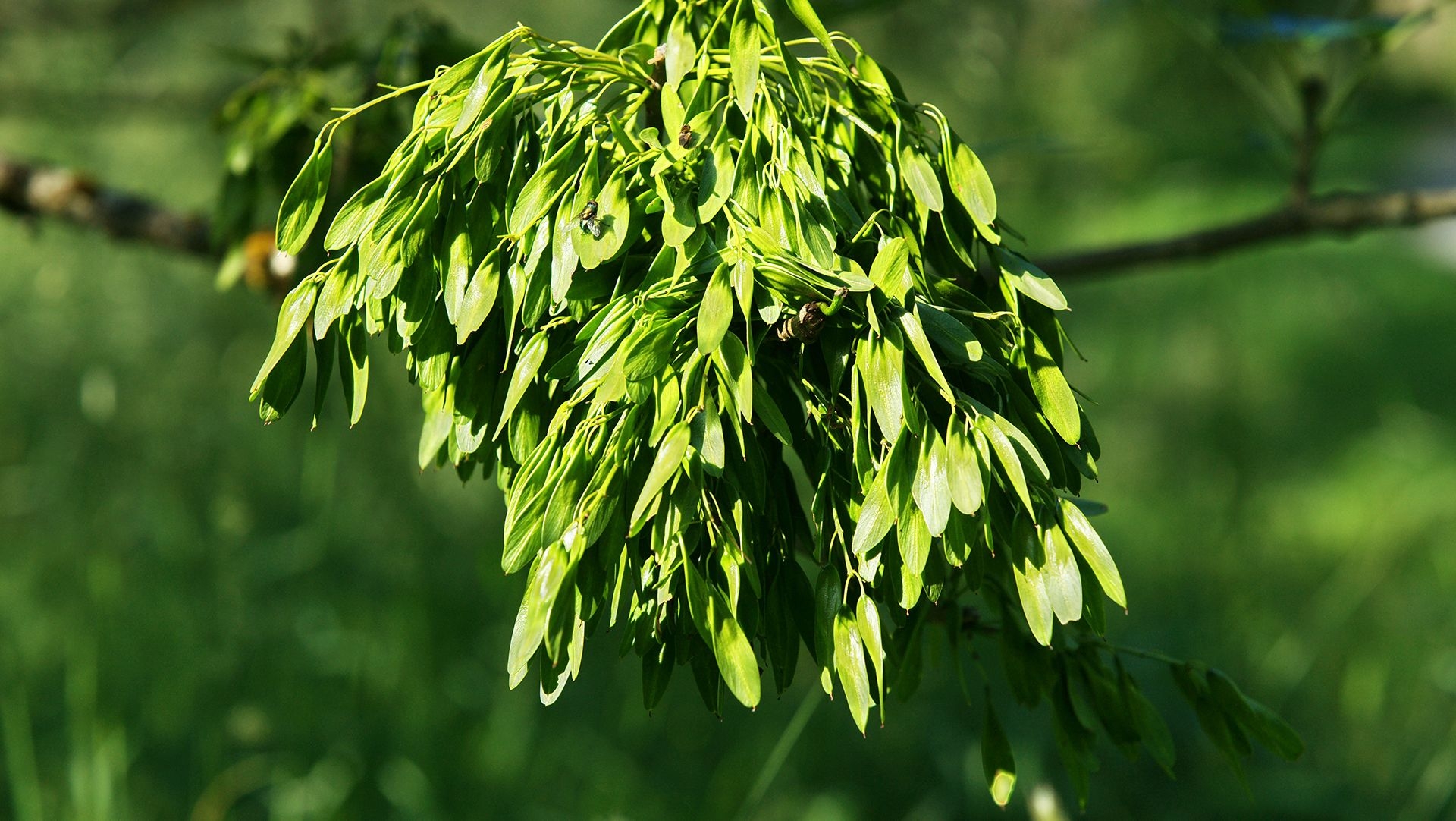
Fraxinus excelsiorHeight: up to 30 m, exceptions up to 40 mTrunk: grey to olive green bark when young, finely furrowed with ageLeaves: opposite, odd-pinnate leaves, 20-40 cm long, consisting of individual leaflets (7-13)Buds: large buds, with black felt-like hairsFruits/seeds: winged fruits in clustersOther: common disease ash dieback, recognisable by dying branches, starting in the crownPhotos: Wolfgang Schödel (1), Janina Deutschmann (2), Sonja Kreil (3)
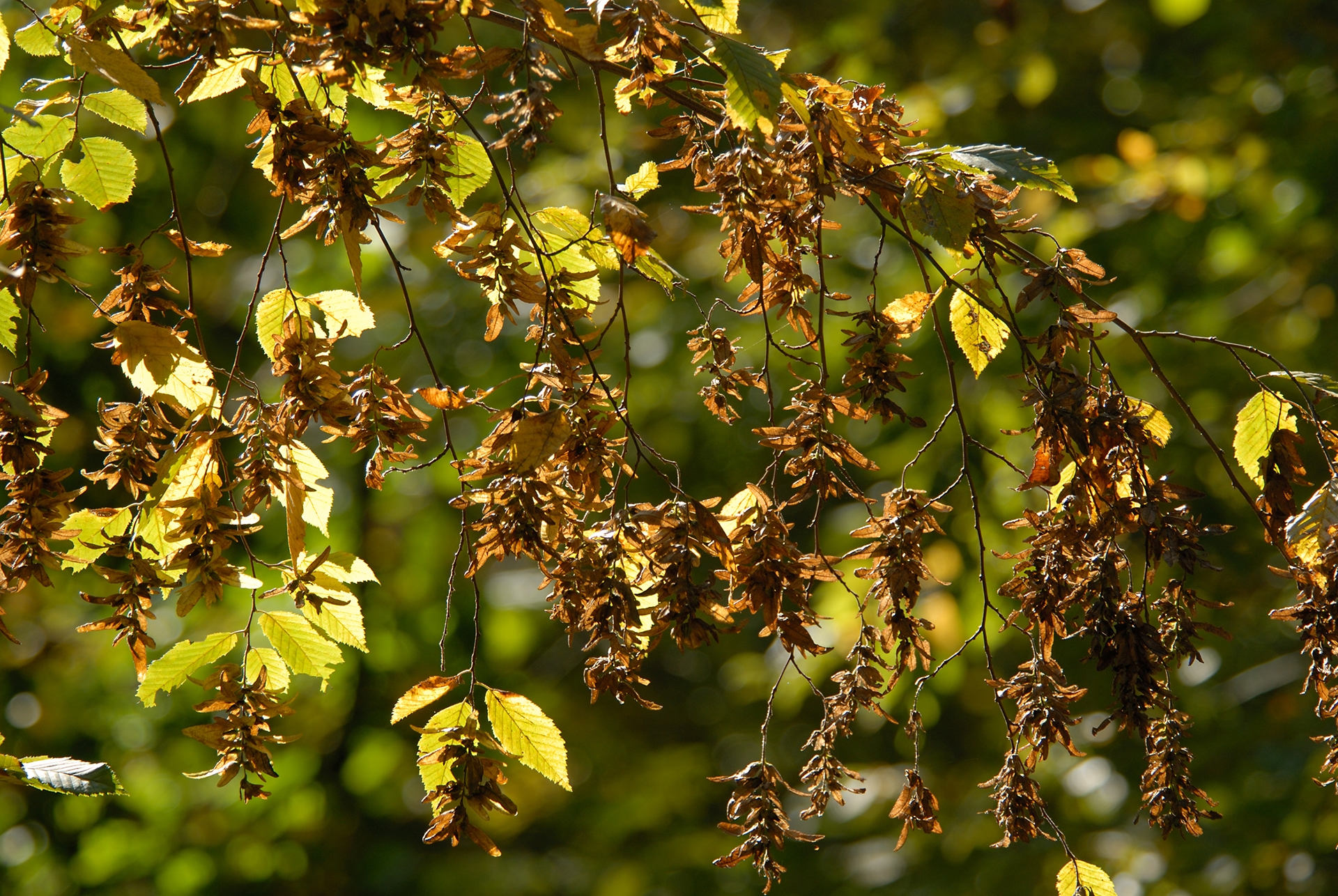
Carpinus betulusHeight: up to 20 mTrunk: smooth bark, often deeply furrowed with age, twisted growthLeaves: ribbed surface, double serrated at the leaf edge (large and small serrations)Buds: fawn-brown with light-coloured edges on the individual bud shedsFruits/seeds: conspicuous seed clustersOther: very tolerant to pruning, therefore also found as a hedge or topiary Photos: Janina Deutschmann (1), Thomas Stephan (2), Kerstin Ellersdorfer (3)
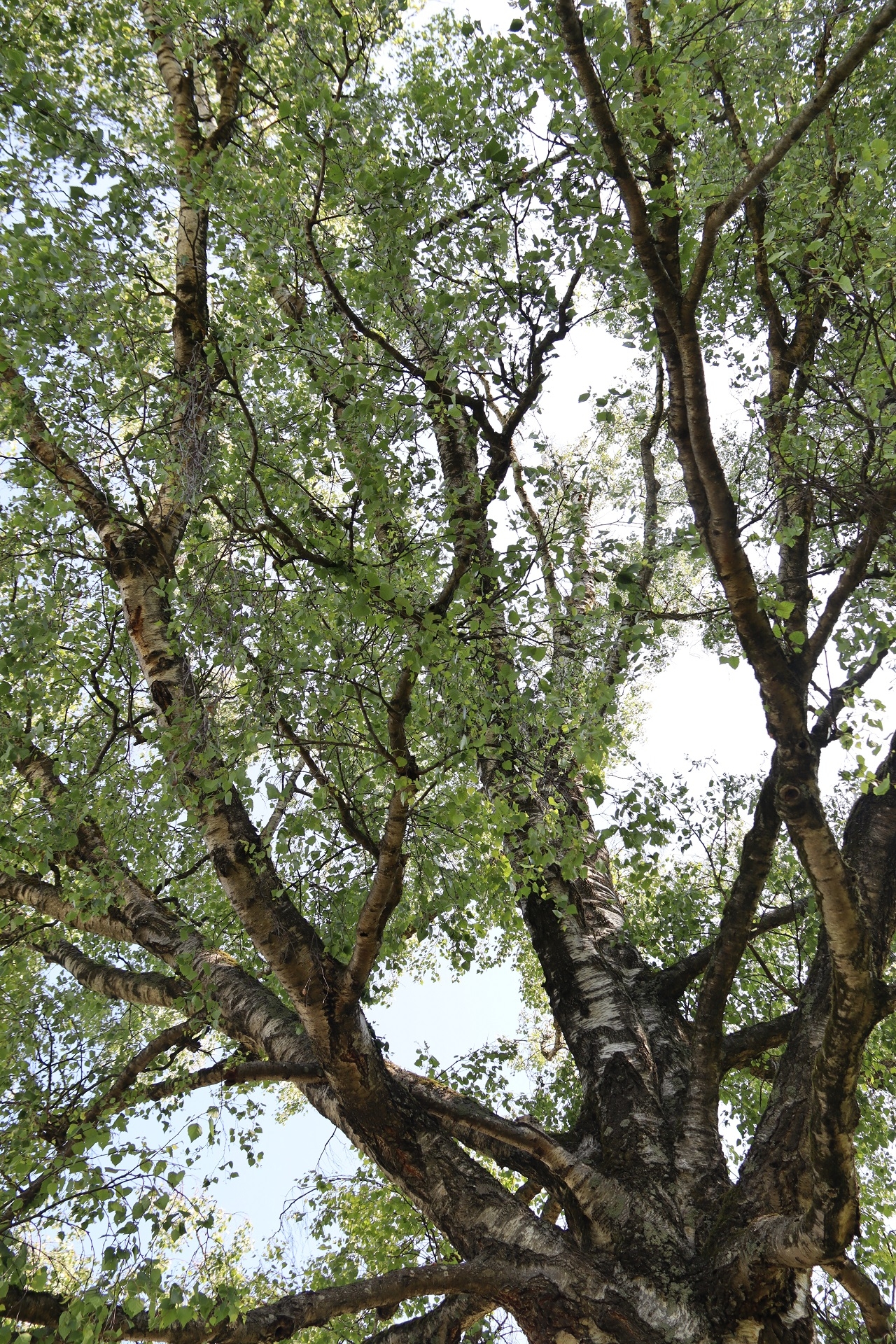
Betula pubescensHeight: up to 20 mTrunk: strikingly white (betulin), smooth bark, cracking and darkening with age, reddish in colourLeaves: broadly ovate, 4-6 cm long, hairy on top and underneathFruits/seeds: 2-3 cm long catkinsOther: overhanging densely hairy branches Photos: Dorit Zimmermann (1,2,3,4)
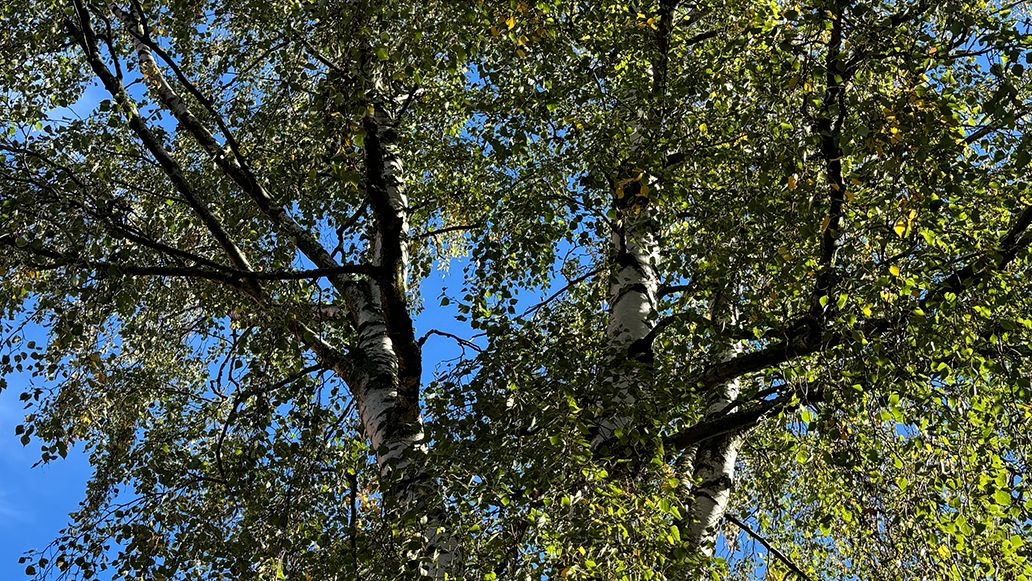
Betula pendulaHeight: up to 20 mTrunk: strikingly white (betulin), smooth bark, cracking and darkening with ageLeaves: diamond-shaped to triangular, 4-7 cm long, hairlessFruits/seeds: 2-3 cm long catkinsOther: overhanging branches, covered with small cork warts Photos: Janina Deutschmann (1,2), Kerstin Ellersdorfer (3)

Betula spp.Height: up to 20 mCrown: usually narrowTrunk: strikingly white (betulin), smooth bark, cracks and darkens with ageLeaves: diamond-shaped to triangular, ovate, 4-7 cm longFruits/seeds: elongated catkinsOther: very thin, fine twigs, often drooping Photos: Janina Deutschmann (1,2), Kerstin Ellersdorfer (3)
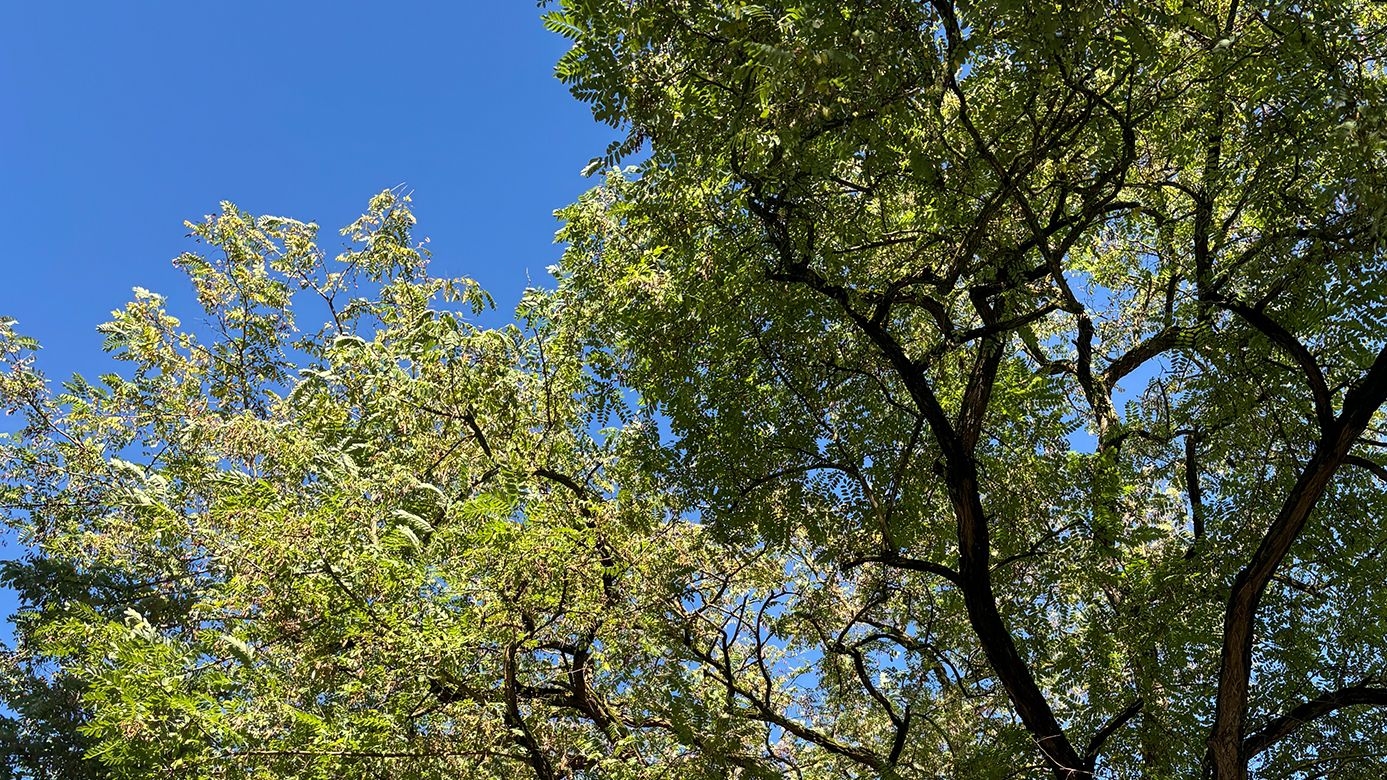
Robinia pseudoacaciaHeight: up to 25 mTrunk: deeply longitudinally fissured, gray to dark brown barkLeaves: pinnate, alternate leaves with smooth edges, 20-30 cm long, with stipulesFlowers: striking white butterfly flowers hanging down in clusters, strongly scented, insect-friendlyFruits/seeds: 5-10 cm long pods, remain on tree for a long timeOther: common urban tree, nitrogen-enriching Photos: Janina Deutschmann (1,2,3)

Platanus x hispanicaHeight: up to 30 mTrunk: conspicuously flat, smooth, peeling bark with clearly lighter-coloured bark underneath, 'camouflage pattern’Leaves: 12-25 cm wide, 3 to 5-lobed, with a 3-10 cm long stemFruits/seeds: spherical, hanging on long stemsOther: cross between American and Oriental plane treePhotos: Dorit Zimmermann (1,2,3,4,5,6)
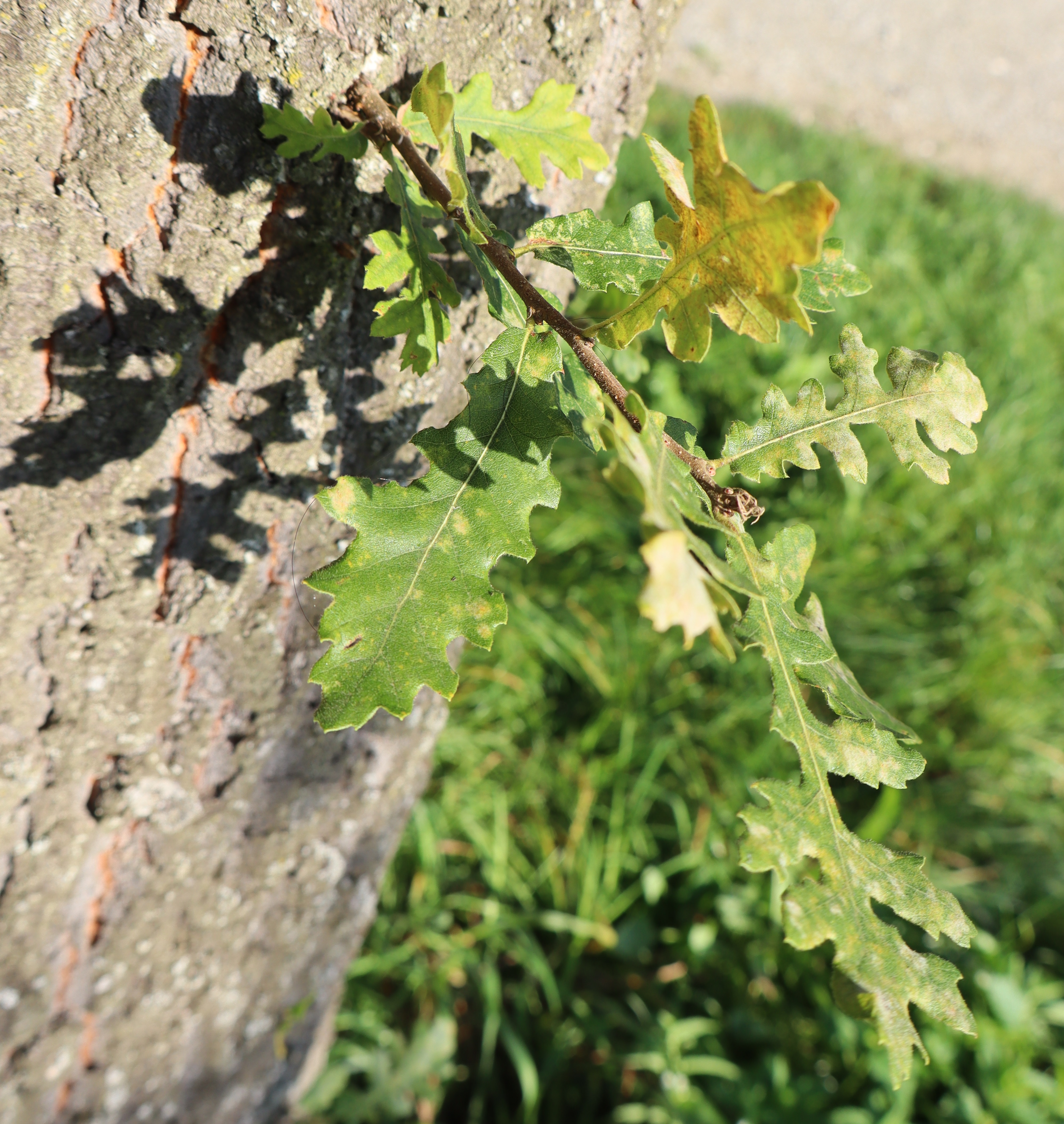
Quercus cerrisHeight: up to 30 mTrunk: dark grey, longitudinally fissured barkLeaves: elongated elliptical, deeply lobed in variegated shapes, shiny dark greenBuds: surrounded by thread-like stipules (approx. 2 cm long)Flowers: yellow catkins in April, bee-friendlyFruits/seeds: ovoid fruits with spiky fruit cups, clustered in groups Photos: Dorit Zimmermann (1,2,3,4,5)

Quercus rubraHeight: up to 25 mStem: grey-brown bark, smooth, only furrowed with ageLeaves: clearly and pointedly lobed, 10-22 cm long, reddish-brown tufts of hair on the underside, with long petioles (2-5 cm)Buds: light brown, clustered at the end of the branchFruits/seeds: spherical, compact fruits with small fruit cups on short stalks, clustered in groupsOther: striking red autumn colouringPhotos: Janina Deutschmann (1,2,3), Martina Gehret (4)
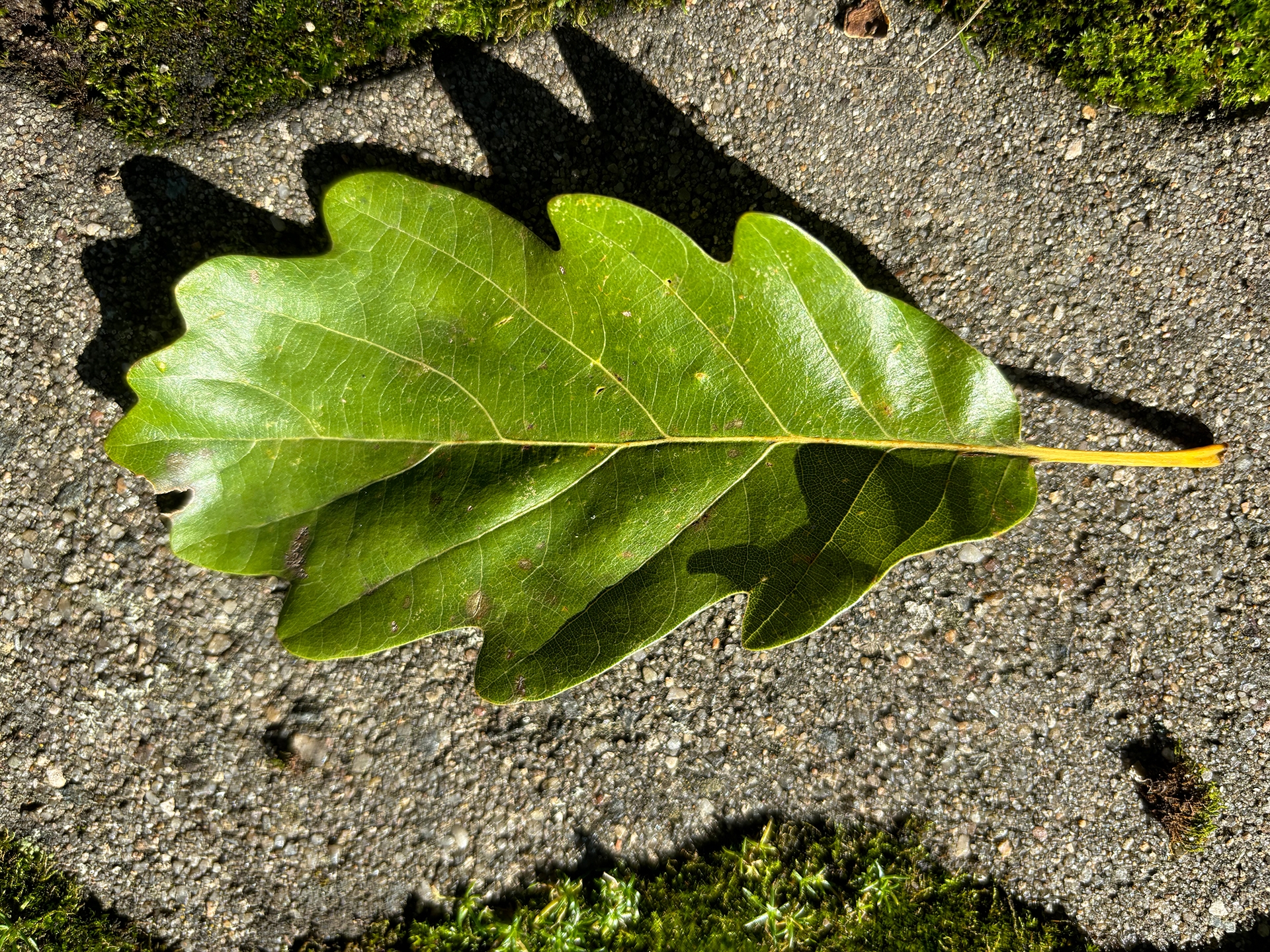
Quercus petraeaHeight: up to 30 mTrunk: only branched at the top, grey-brown bark, longitudinally fissured, deeply furrowedLeaves: clearly lobed, 6-17 cm long, with tufts of hair on the underside, with long petioles (2-5 cm), small ears at the base of the leavesBuds: light brown, clustered at the end of the branchFruits/seeds: ovoid fruits with small fruit cups on short stalks, clustered in groupsOther: very gnarled appearance with agePhotos: Janina Deutschmann (1,2)
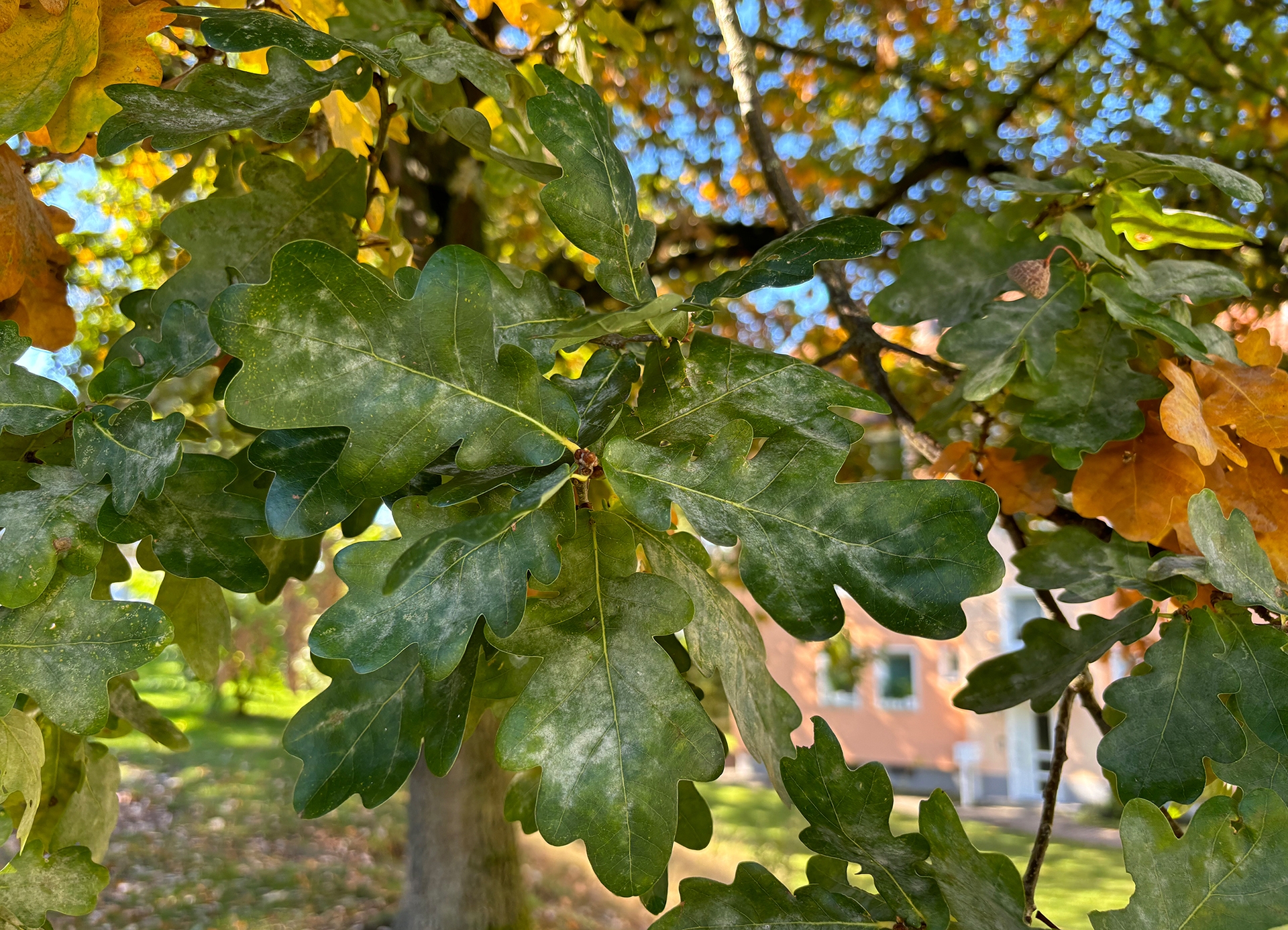
Quercus roburHeight: up to 30 mTrunk: already branched at the base, grey-brown bark, longitudinally fissured, deeply furrowedLeaves: clearly lobed, 5-15 cm long, deep green glossy upper side, with short petioles (4-8 mm)Buds: light brown, clustered at the end of the branchFruits/seeds: ovoid fruits with small fruit cups on long stalks, arranged in clustersOther: very gnarled appearance with age Photos: Janina Deutschmann (1,2,3)
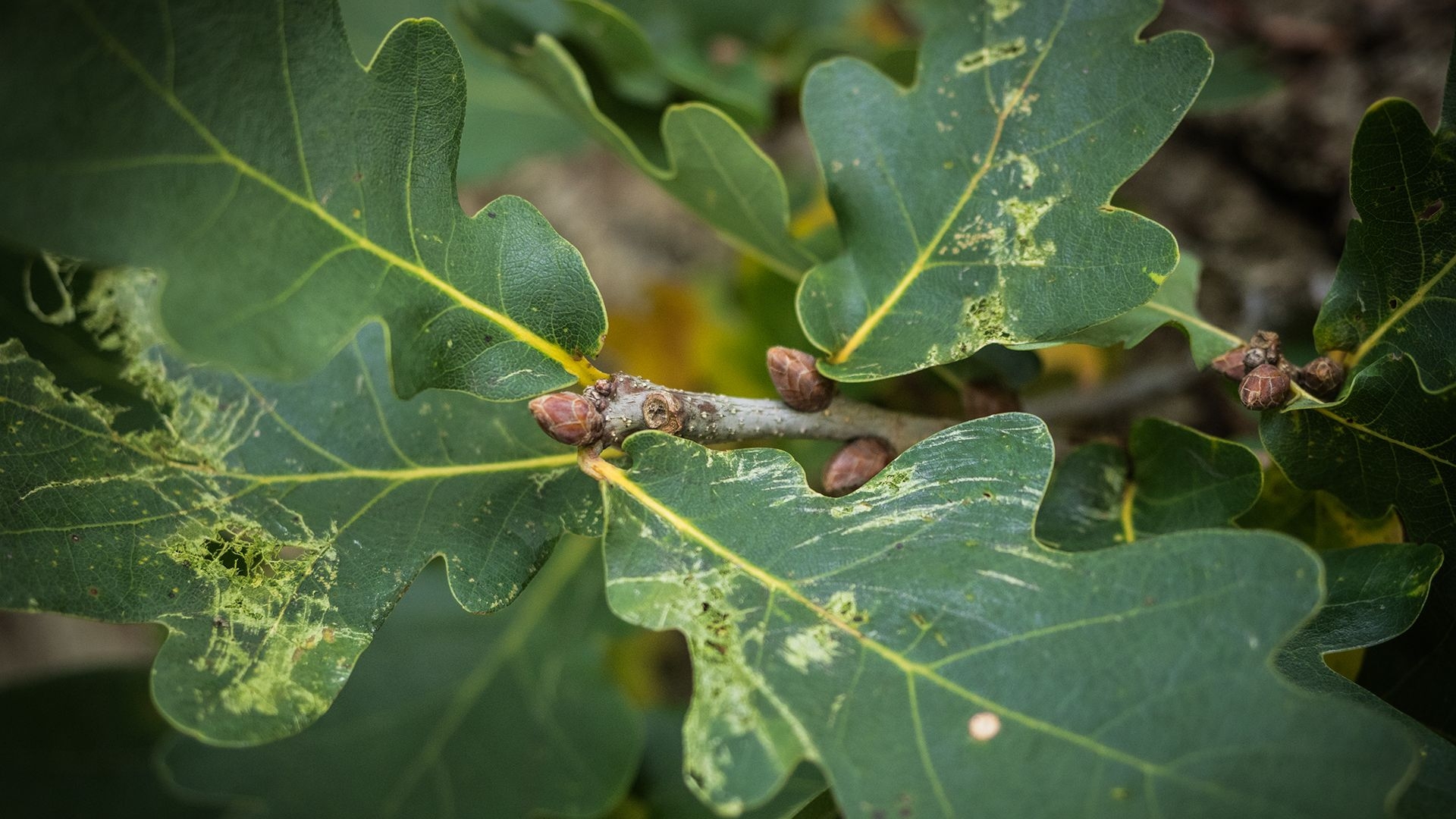
Quercus spp.Height: up to 30 mTrunk: gray-brown bark, longitudinally fissured, ribbedLeaves: clearly lobed, 6-17 cm long Buds: Light brown buds clustered at the end of the branchFruit/seed: ovoid with a fruit cupPhotos: Janina Deutschmann (1), Kerstin Ellersdorfer (2,3)
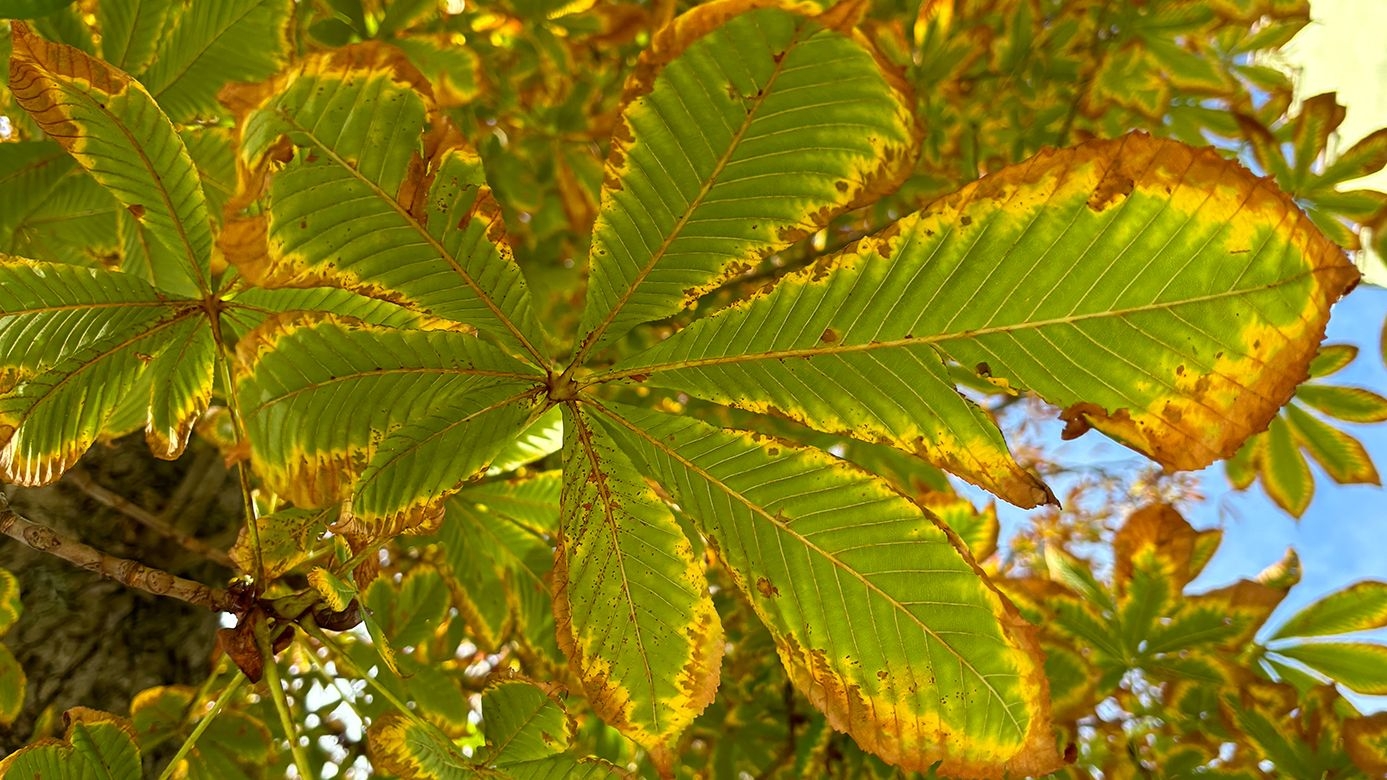
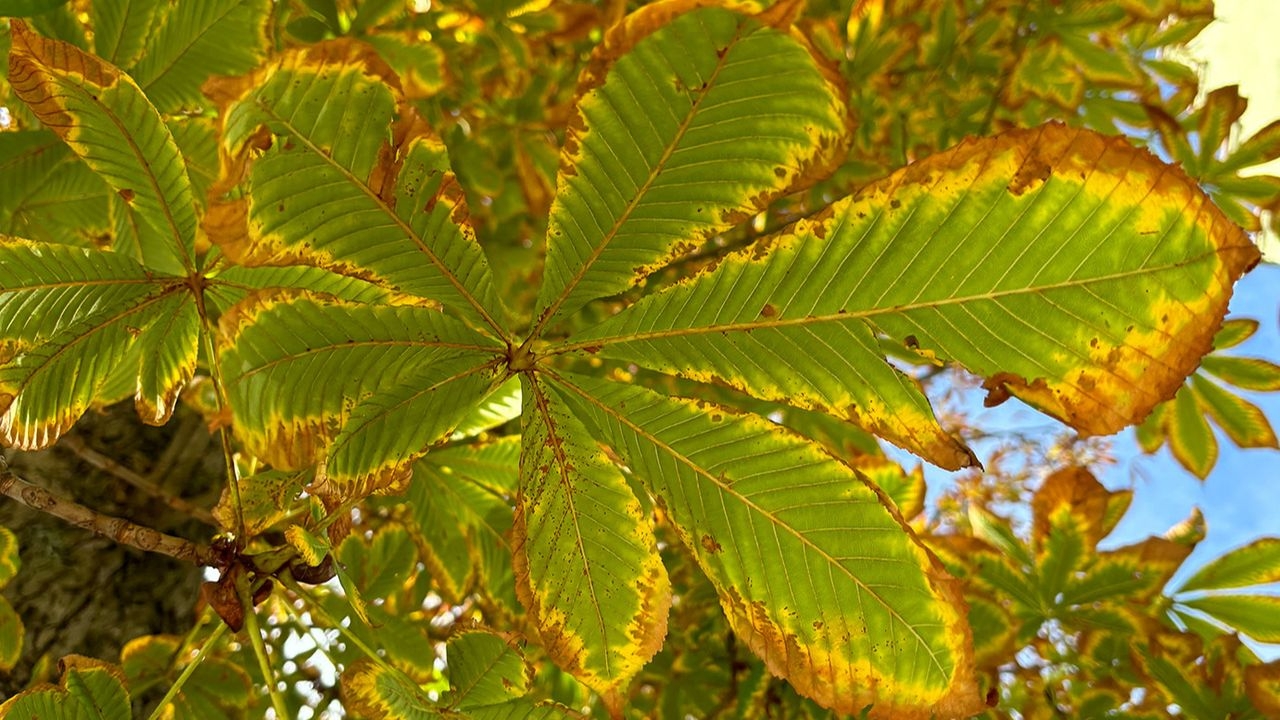
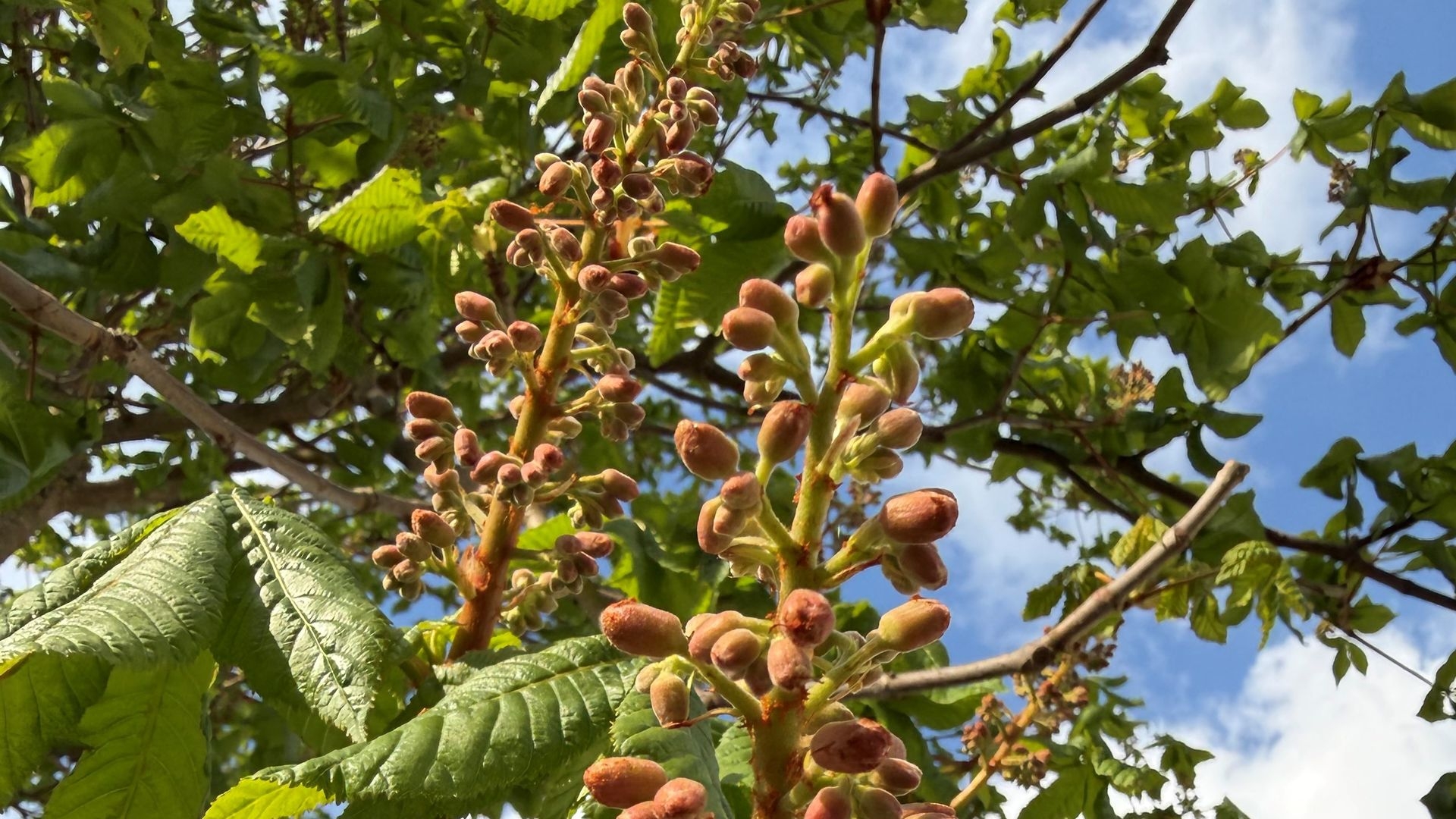
Aesculus hippocastanumHeight: up to 25 mTrunk: gray-brown to red-brown bark, flat, stripedLeaves: palmate, consisting of 5-7 individual leaves, up to 25 cm longBuds: fawn-brown, up to 3 cm long, very stickyFlowers: conspicuous, large, upright flowers in May/JuneFruits/seeds: green, spherical fruits with spines, shiny chestnut seedOther: common urban tree Photos: Wolfgang Schödel (1), Janina Deutschmann (2,3)
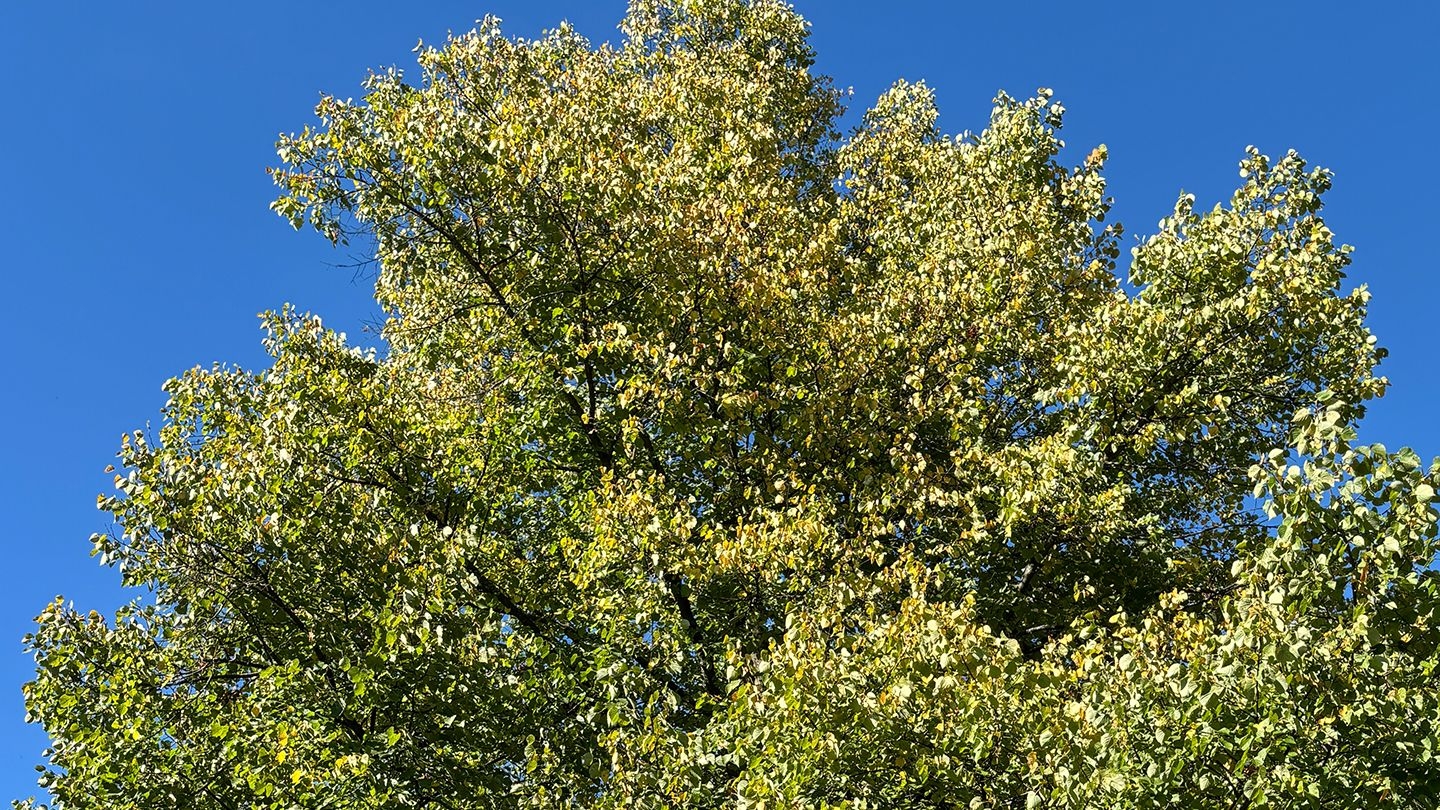
Tilia platyphyllosHeight: up to 30 mTrunk: gray to black-brown bark, longitudinally fissuredLeaves: heart-shaped, 7-15 cm long, angled, serrated edges, upper side loosely hairy, with small tufts of white hair in leaf vein axilsBuds: ovoidFlower: in June/July, strongly scented, insect-friendlyFruits/seeds: small, spherical nut fruits (approx. 5 mm) with 1 wing, stemmedOther: common urban treePhotos: Janina Deutschmann (1,2)
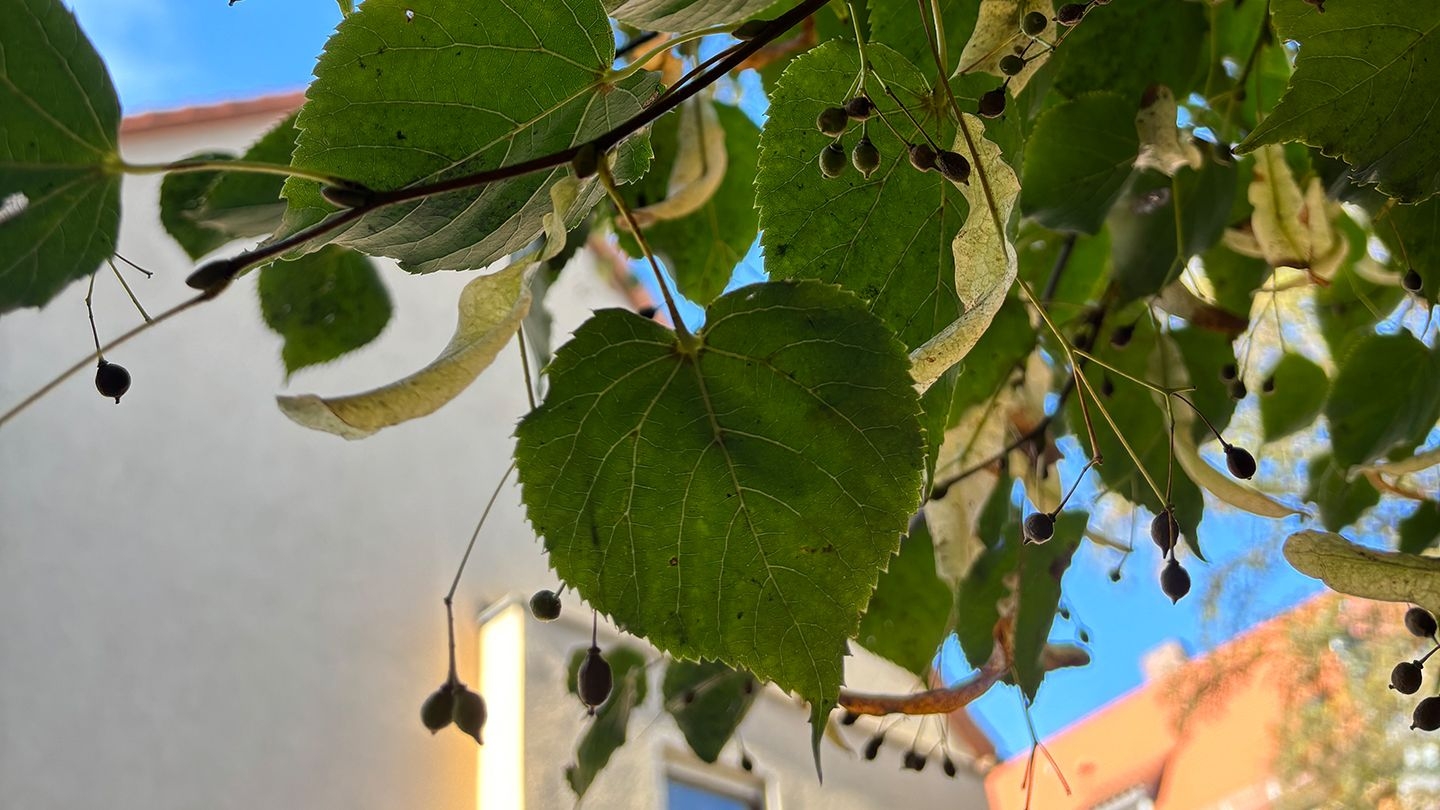
Tilia cordataHeight: up to 30 mTrunk: gray-brown, longitudinally cracked bark with ageCrown: broadly spread and round, very dense and variegated with ageLeaves: heart-shaped, 3-10 cm long, angled, finely toothed with dark green upper side, lighter underside with small tufts of dark hair in leaf vein axilsFlowers: yellowish-white, in drooping, corymbose inflorescences, strongly scented in June/July, insect-friendlyFruits/seeds: small, spherical nut fruits (approx. 5 mm) with 1 wing...
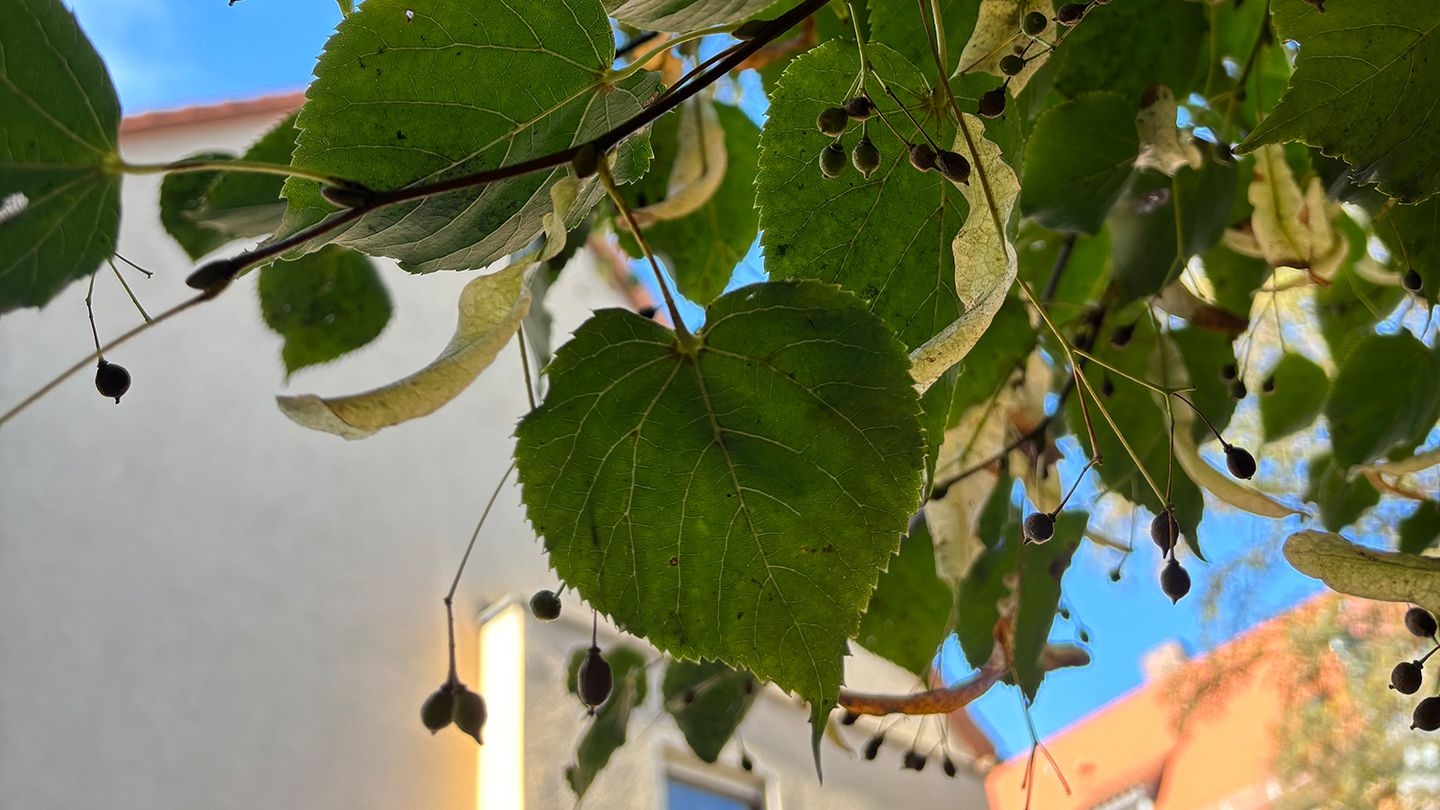
Tilia spp.Height: up to 30 mTrunk: gray to black-brown bark, longitudinally fissuredLeaves: heart-shaped, 3-15 cm long, angled, serrated edges (small spikes)Flowers: in June/July, strongly scented, insect-friendlyFruits/seeds: small, spherical nut fruits (approx. 5 mm) with 1 wing, stemmedOther: common urban treePhotos: Janina Deutschmann (1,2), Kerstin Ellersdorfer (3)
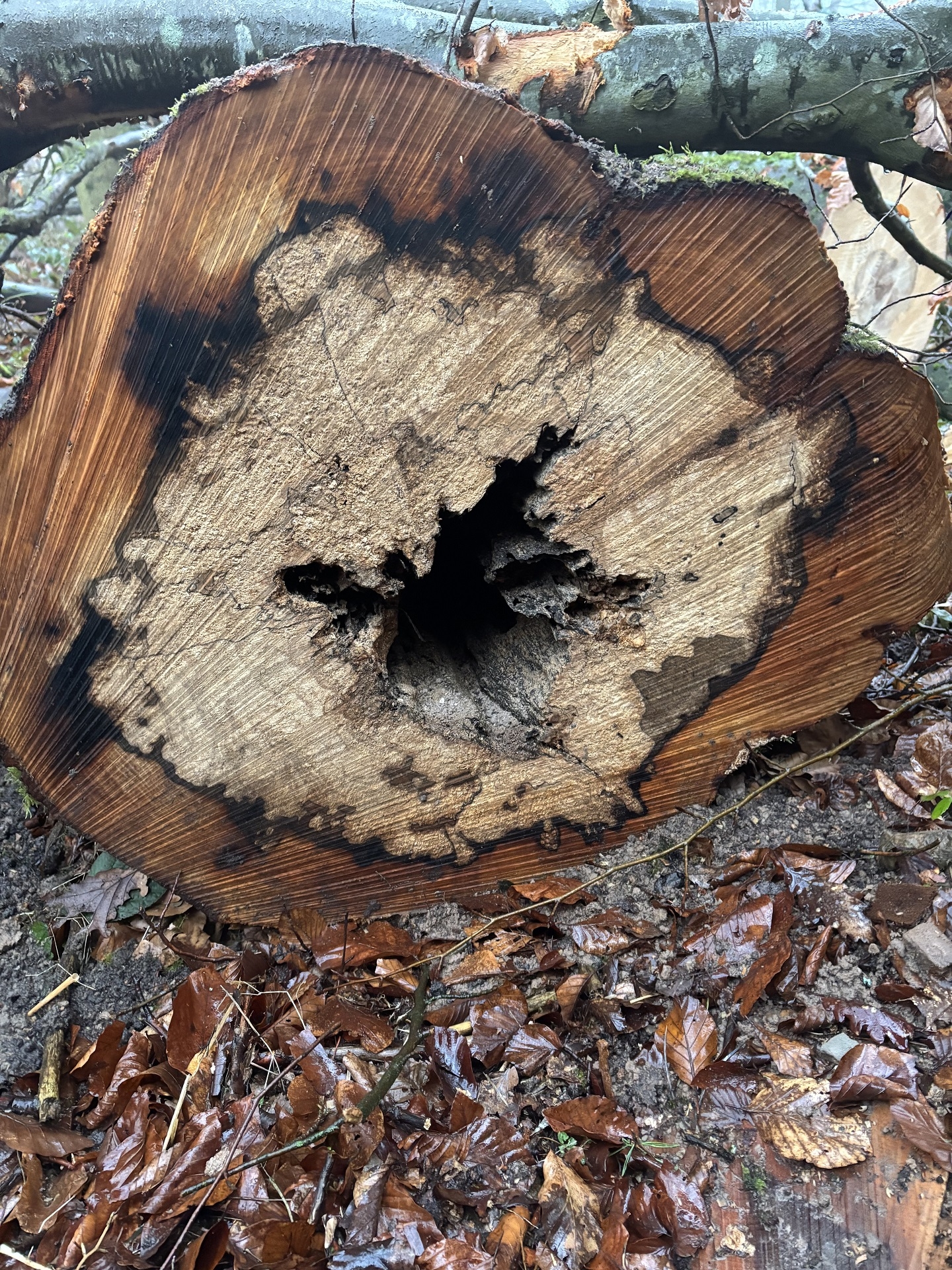
Dead tree due to disease or injurye.g. infestation with harmful bugs, fungi or bacteriaPhotos: Wolfgang Schödel (1), Janina Deutschmann (2)
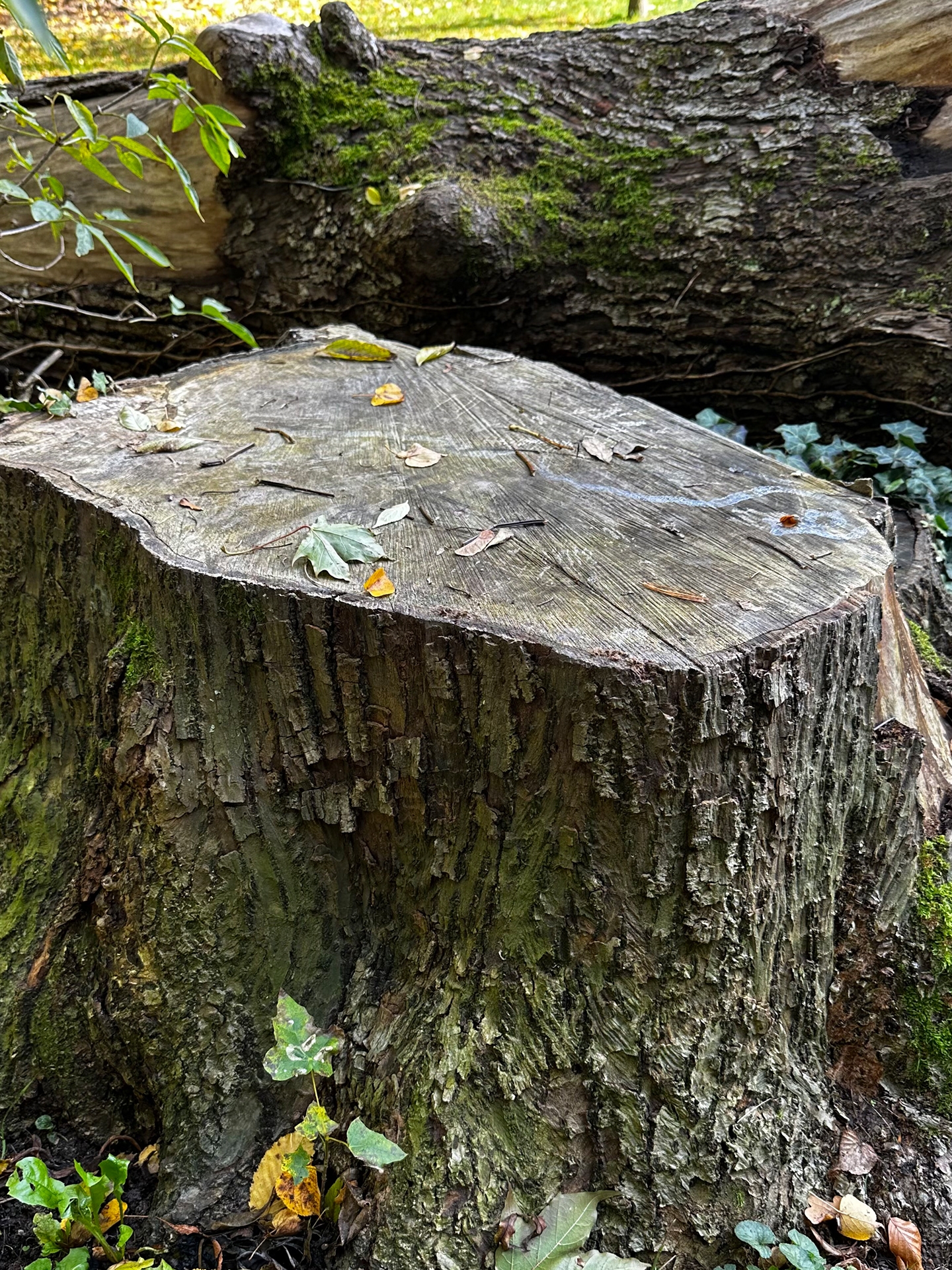
Actively cut tree Photos: Janina Deutschmann (1), Martina Gehret (2)
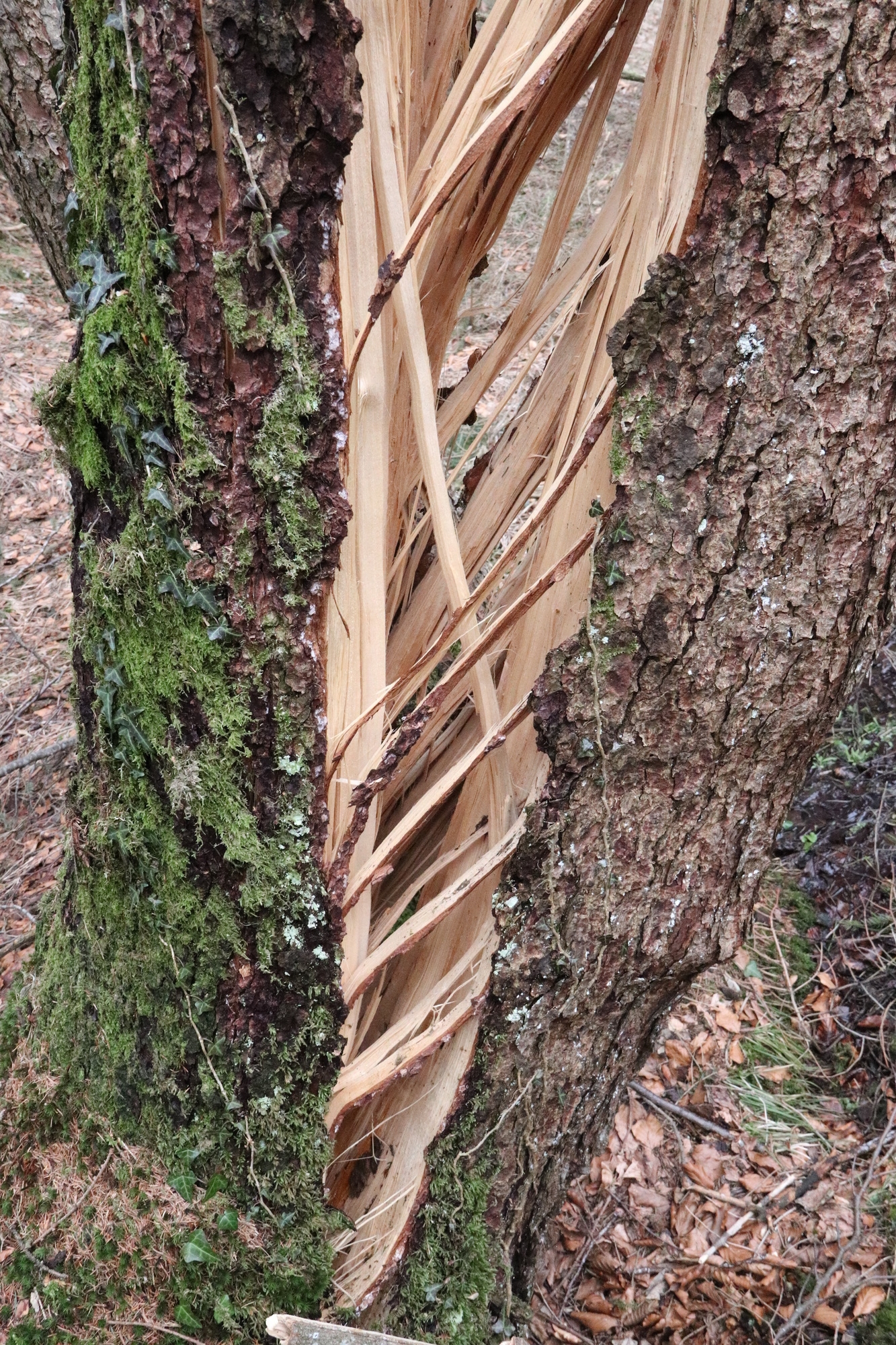
Tree killed by storm and severe weathere.g. uprooting, toppling, splitting, lightning strikeFotos: Wolfgang Schödel (1), Sonja Kreil (2)
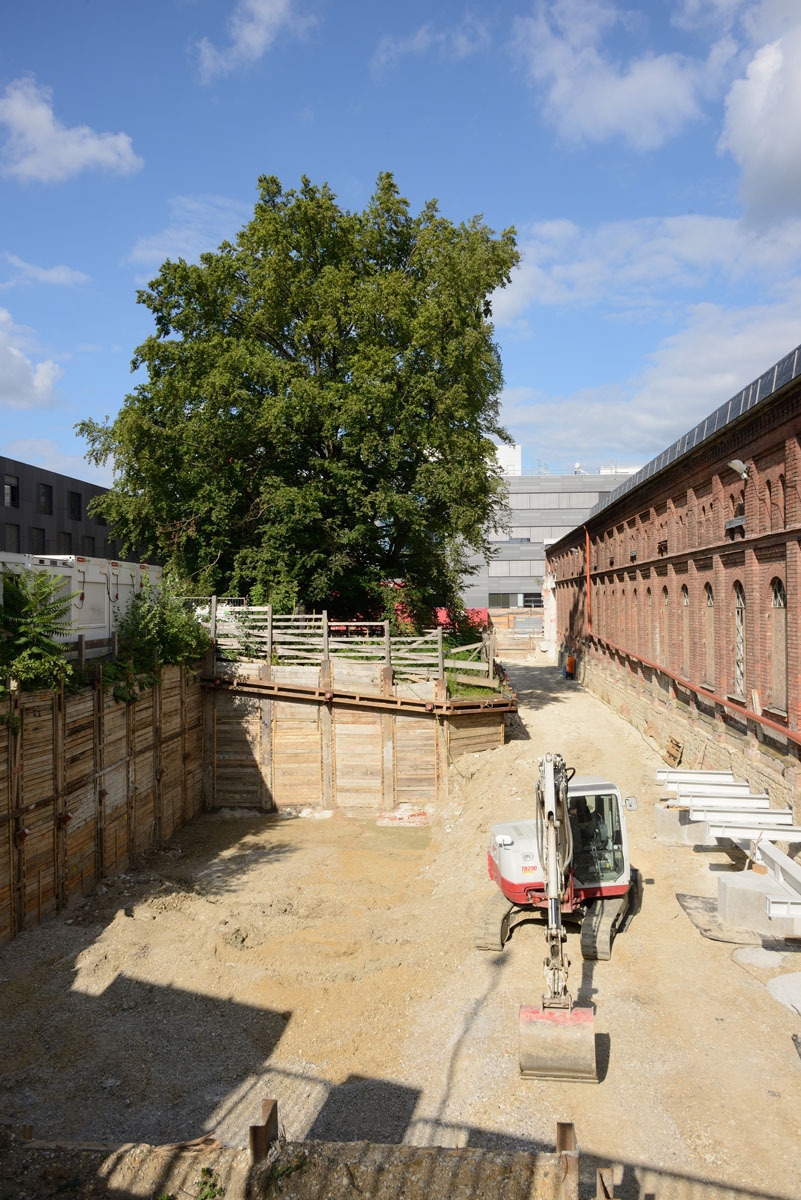
Dead tree due to construction sitese.g. due to construction work in the root area, damage to the tree due to lack of root protection, soil compactionImpact of the injury or impairment is usually delayedPhoto: Thomas Stephan
Other reason

Tree death caused by excessive pruning Photo: Martina Gehret
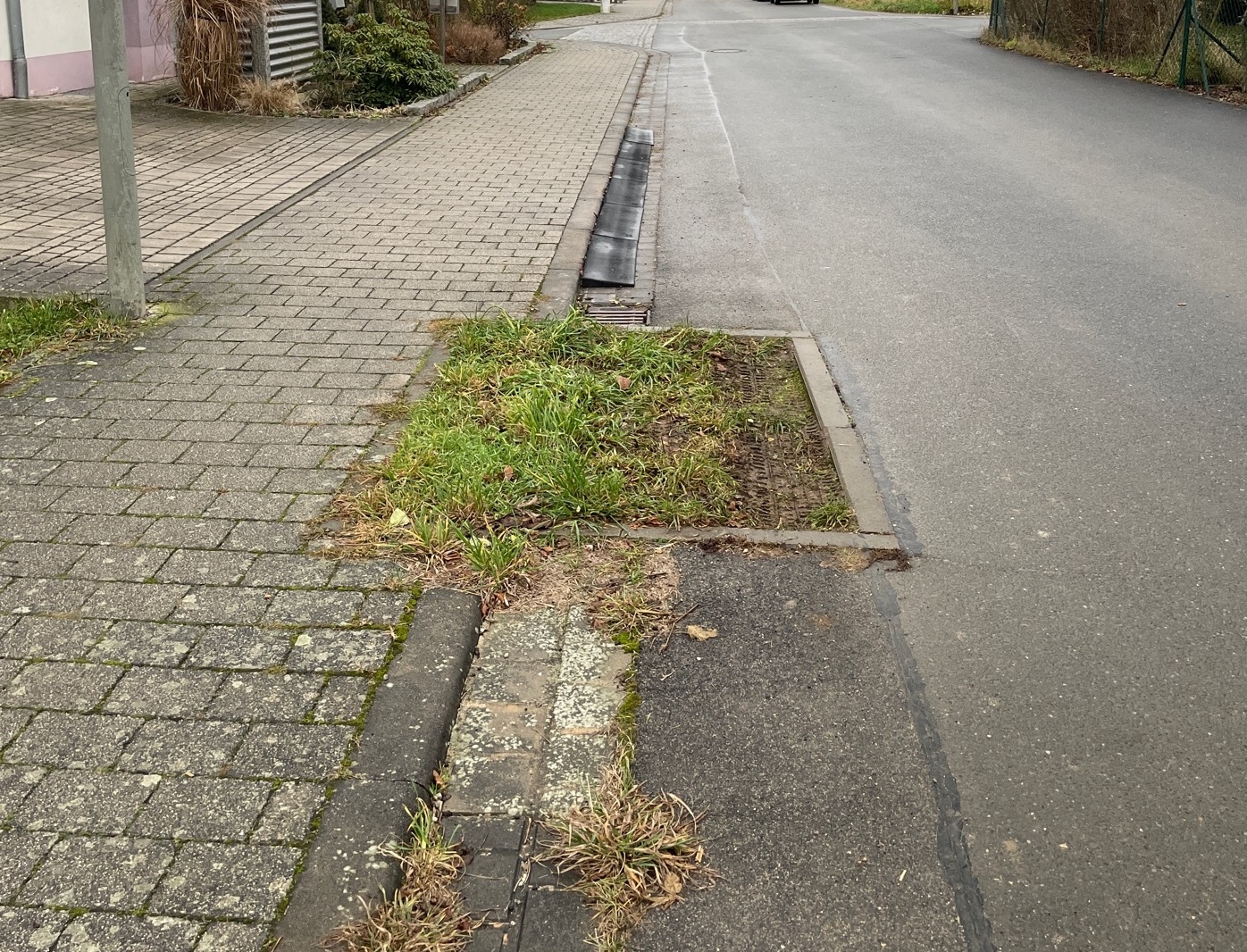
Lack of tree plantinge.g. empty tree discs, entire streets, squares without treesPhotos: Christopher Busch (1), Thomas Stephan (2)
Info coming soon!

Info coming soon!

Info folgt
Info coming soon

Info coming soon
Info coming soon
Info coming soon
Info coming soon
Info coming soon
Info coming soon
Info coming soon
Info coming soon
Info coming soon

coming soon
Info folgt
Info folgt

Info coming soon
Info coming soon

Info folgt

Info coming soon
Info coming soon

Info folgt

coming soon
coming soon
coming soon
coming soon
coming soon
coming soon

Info coming soon

Info coming soon

Info folgt
Info coming soon

Info folgt
Info coming soon
coming soon
Info folgt

Info coming soon

Info coming soon

Info folgt