Short note: This website is in Beta - we are currently building everything up but you can already find the apps to download and participate! Thank you and stay safe!

 Questions, help or just curious?
Super User
Was möchtest du als neue Station eintragen?
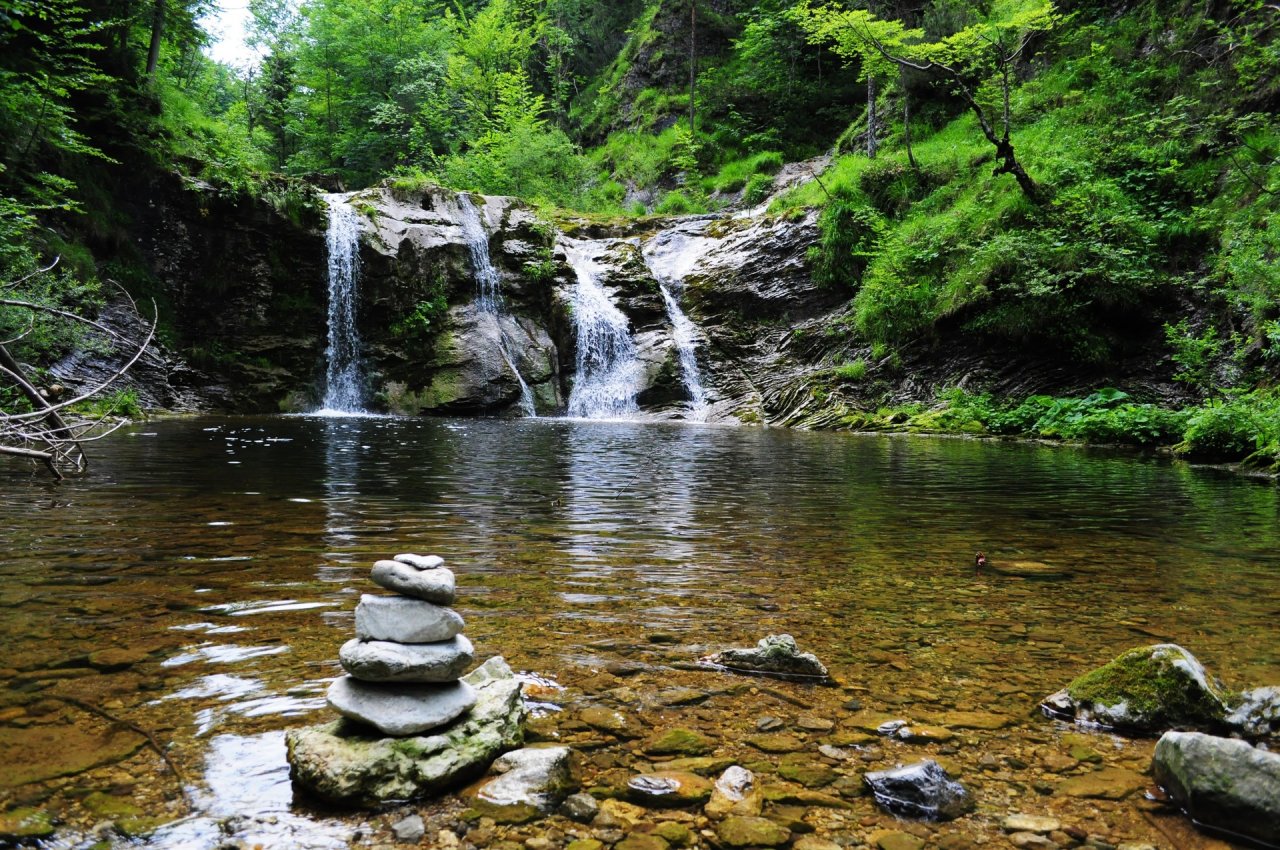
Mögliche Wasserbeobachtungen
Du kannst unterschiedliche Wasserbeobachtungen machen. Wähle die passende Kategorie aus:
- VIRTUELLE MESSLATTE: Wasserstandsbeobachtungen, wenn keine Messlatte am Fluss installiert ist.
- PHYSISCHE MESSLATTE: Wasserstandsbeobachtungen anhand einer schon im Fluss installierten Messlatte.
- BODENFEUCHTE: Beobachtung der Feuchtigkeit für jede unversiegelte Oberfläche.
- PLASTIKVERSCHMUTZUNG: Beobachtungen von Makroplastik in einem Gewässer oder an dessen Ufer..
- TROCKENFALLENDER BACH: Fliesszustand von Bächen, die hin und wieder austrocknen.
- FLIESSGEWÄSSERTYP: Allgemeine Informationen über ein Fliessgewässer, inklusive Informationen zur beobachteten Wasserqualität.
Temporary streams
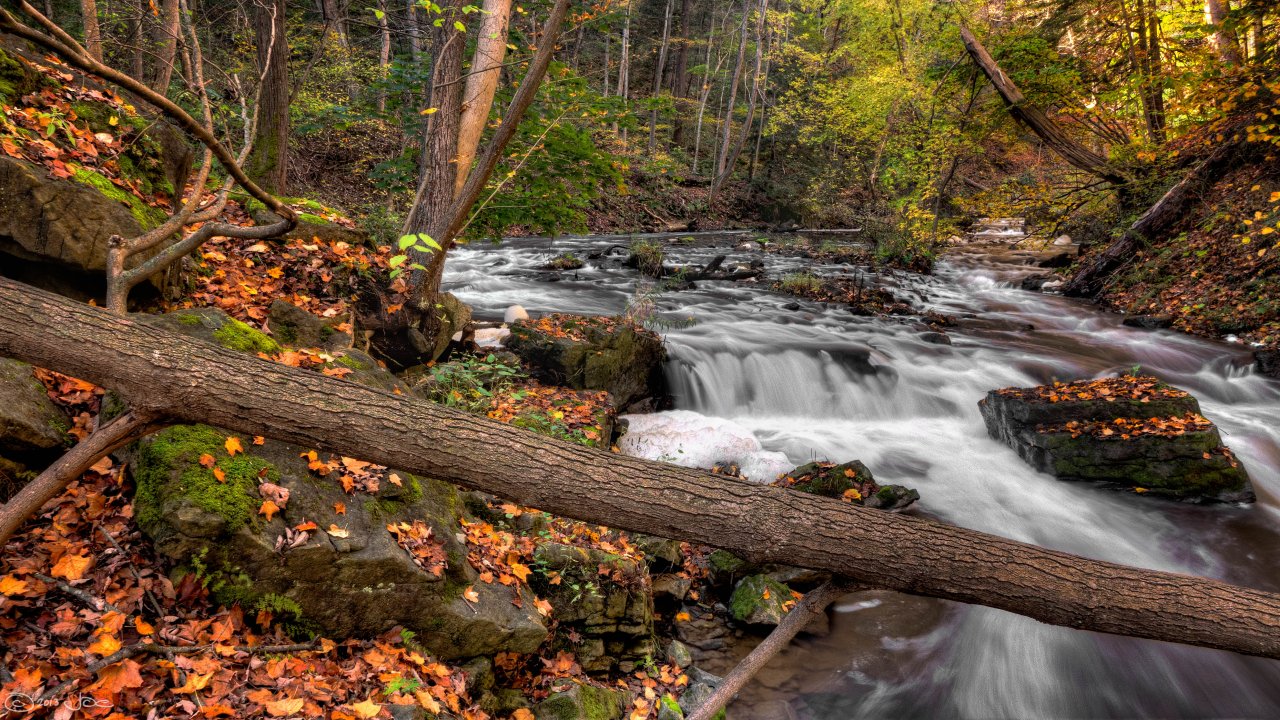
Did you know that you can record the dynamics of streams that occasionally dry up with the CrowdWater app? Use the category “temporary stream” to record the presence or absence of flowing water in the stream.
The kinds of running water
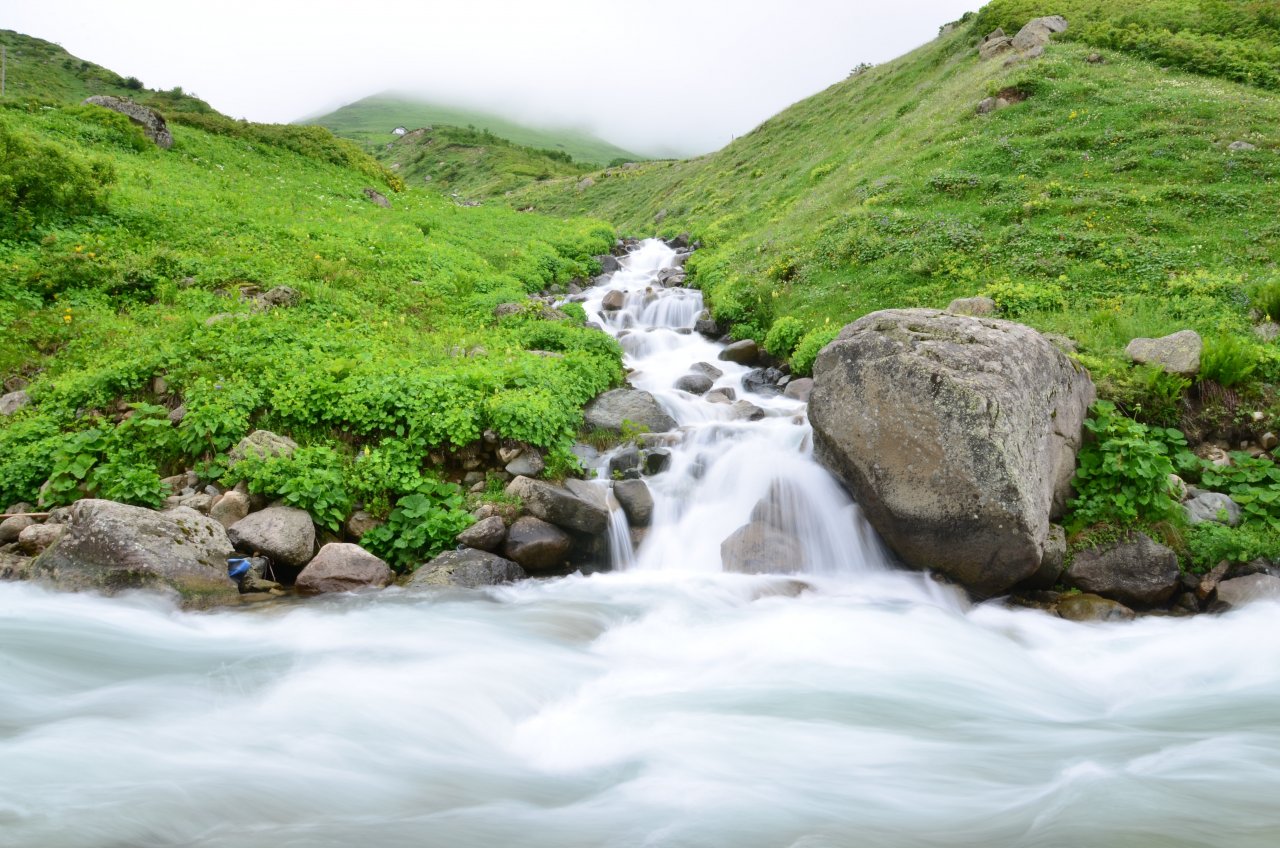
What would you call this watercourse? Note that these size classes are only approximate and partly overlap.
Temporary stream observation
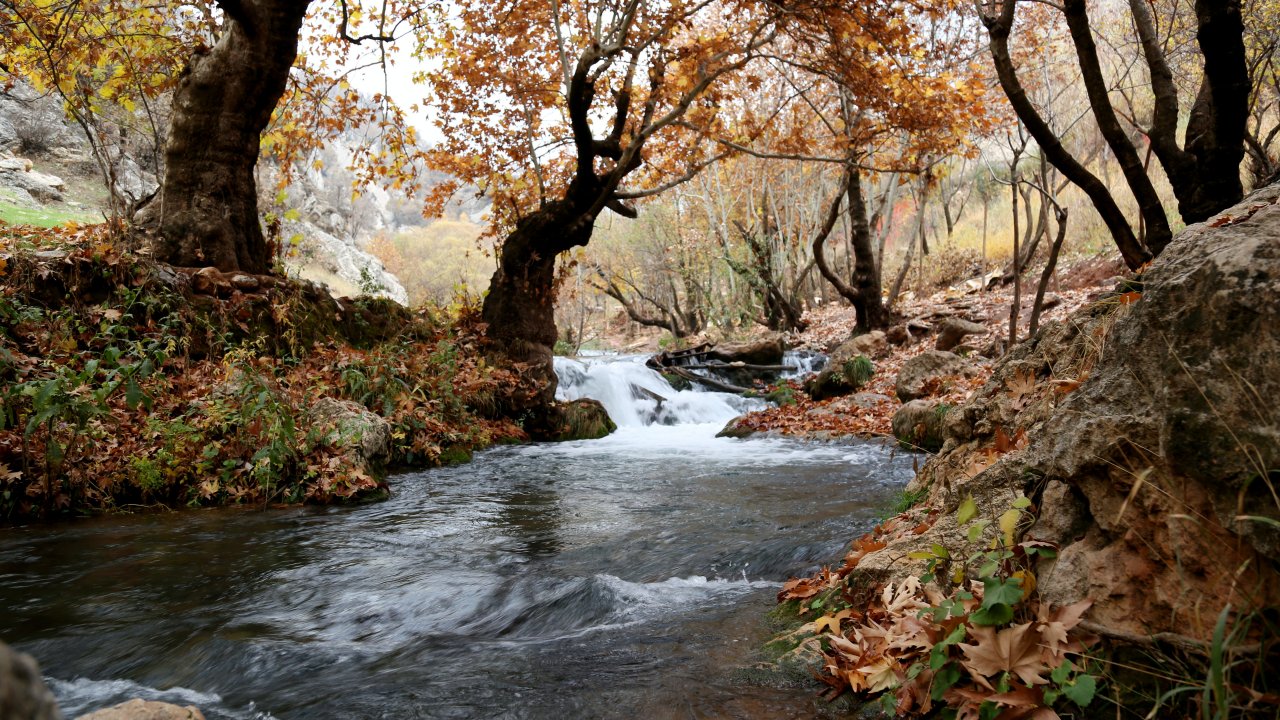
What describes the current state of the stream best? Choose one of the following six classes:
- DRY STREAMBED: There is no visible water and the streambed is dry.
- WET STREAMBED: There is no visible water, but the streambed is wet.
- ISOLATED POOLS: There are pools of water in the stream but they are not connected.
- STANDING WATER: There is water in the stream but no visible flow.
- TRICKLING WATER: The water is visibly flowing but the amount of flow is very small for the size of the stream.
- FLOWING WATER: The water is clearly flowing.
Soil moisture observation
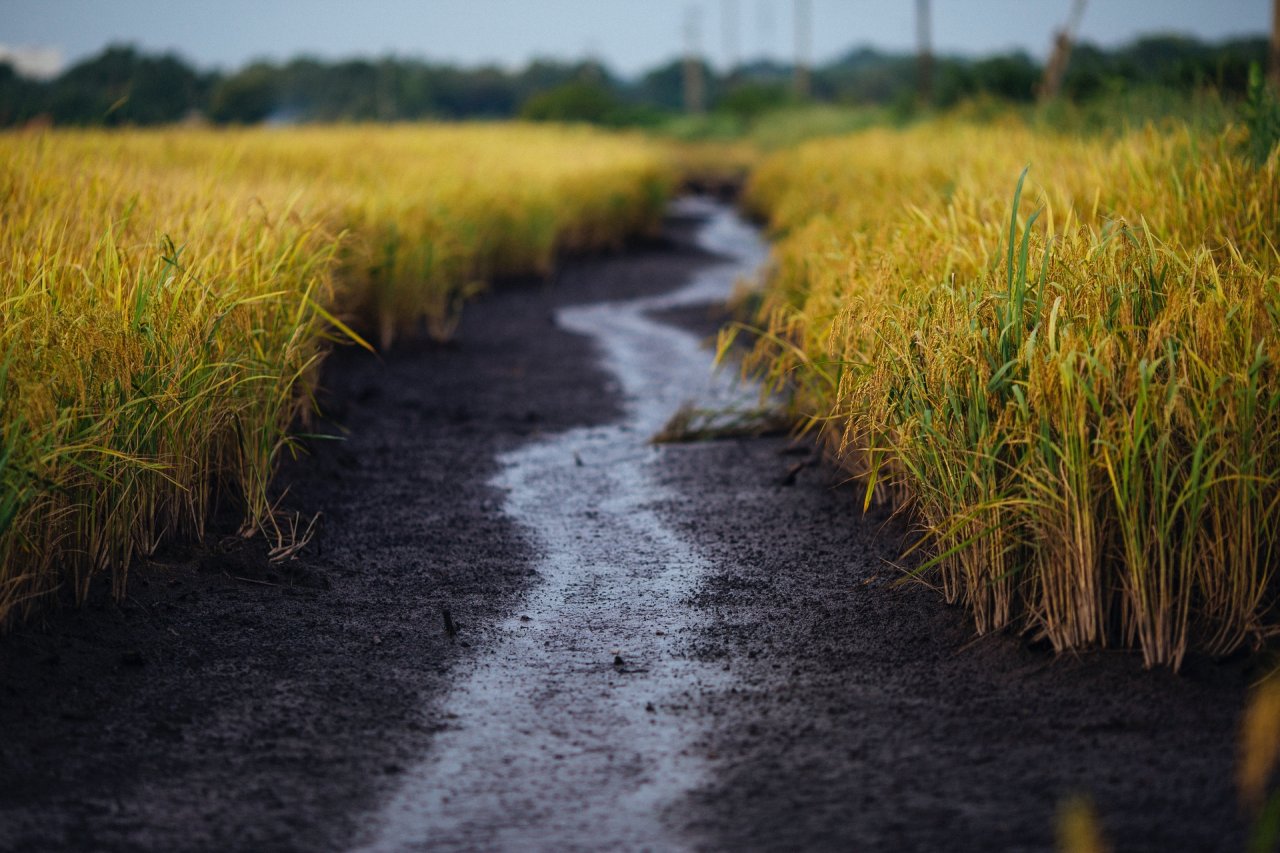
Estimate the moisture content with your hands or shoes. Imagine that you place a backpack on the ground or sit down on the ground. Choose the class that best describes what would happen:
- DRY: You could put the backpack on the ground, and even after a long time, it would still be dry.
- GRADUALLY DAMP: You could put the backpack on the ground, but after some time, it would slowly get moist.
- GRADUALLY WET: You could put the backpack on the ground, but after some time, it would get wet.
- IMMEDIATELY WET: If you would put the backpack on the ground, it would immediately get wet.
- MUDDY: If you were to step on the ground, you could hear a squeaky sound from the wet soil.
- WELLING: If you were to step on the ground, you could see water coming out of the ground next to your shoe.
- SUBMERGED: There is water visible on the surface.
- RAIN/SNOW: There is snow on the surface, or it is currently raining – this means you cannot make a soil moisture observation.
Photo of the observation site
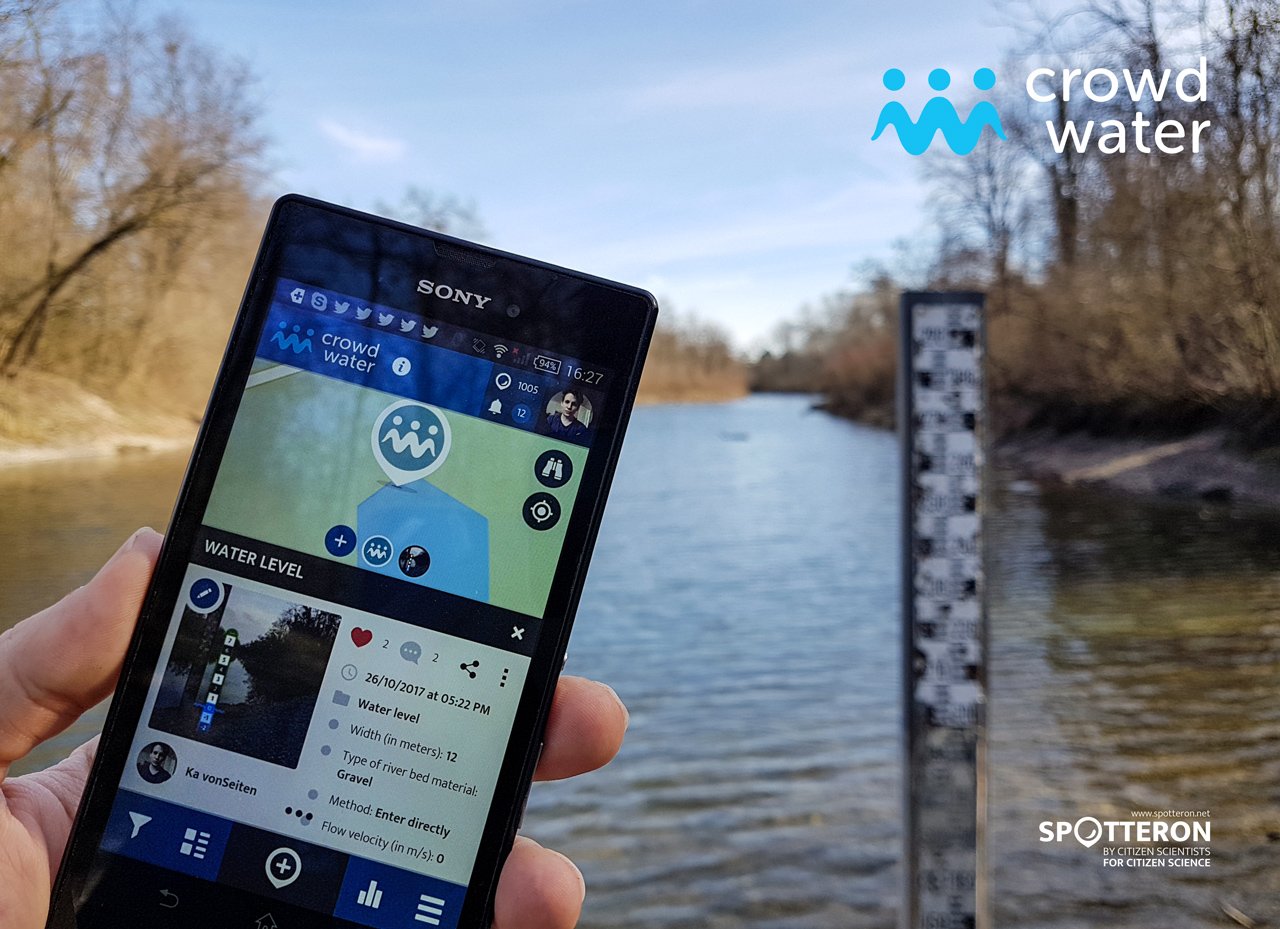
Take a photo of the observation site. Make sure that other citizen scientists can easily recognize the site by including some reference objects in the picture.
If you are using the virtual staff gauge category: Take the photo perpendicular to the direction of flow with a reference for estimating the water level (e.g., a big rock, wall, or bridge pillar) in the background. Make sure that the water surface is horizontal in the picture.
If you are using the temporary stream or soil moisture category: Add a circle or arrow to indicate the exact point of observation.
You can also choose a suitable photo from your album. In this case, please adjust date and time of observation before saving the spot.
Types of water observations
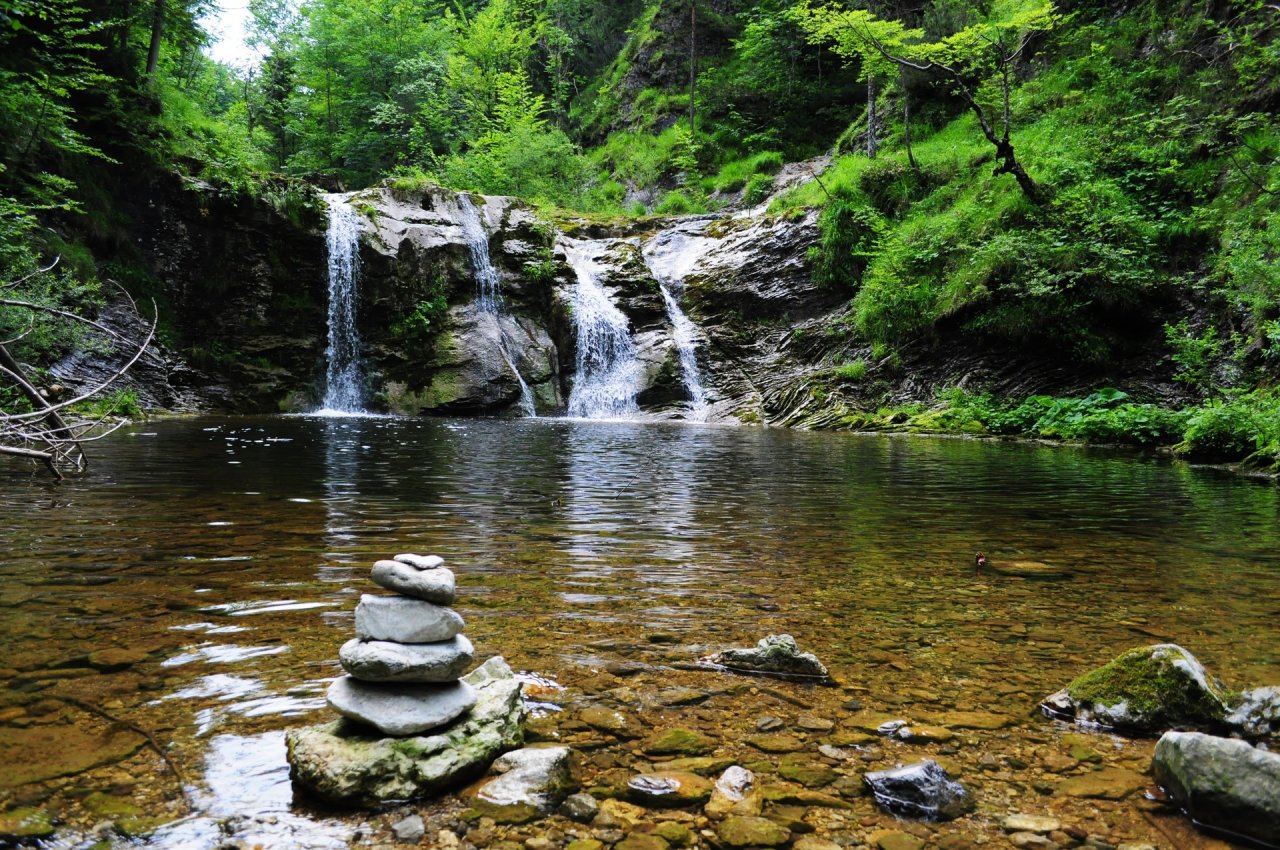
You can make different types of water observations. Choose the fitting category:
- VIRTUAL STAFF GAUGE: Water level observations if there is no staff gauge (ruler) installed in the stream.
- PHYSICAL STAFF GAUGE: Water level observations based on a staff gauge (ruler) that is already installed in the stream.
- SOIL MOISTURE: Moisture status for any unsealed surface.
- PLASTIC POLLUTION: Observations of macro-plastic in a waterbody or on the shore.
- TEMPORARY STREAM: The flow state of streams that sometimes dry up.
- STREAM TYPE: General information for a watercourse, including information on the perceived water quality.
Citizen Science Store (US+AU)
Citizen Science Store (DE)
Citizen Science Store (EU)

Please visit the website about the SPOTTERON Platform on www.spotteron.net
This website uses no external trackers, no analytics, just session cookies and values your online privacy.