Short note: This website is in Beta - we are currently building everything up but you can already find the apps to download and participate! Thank you and stay safe!

 Questions, help or just curious?
Super User
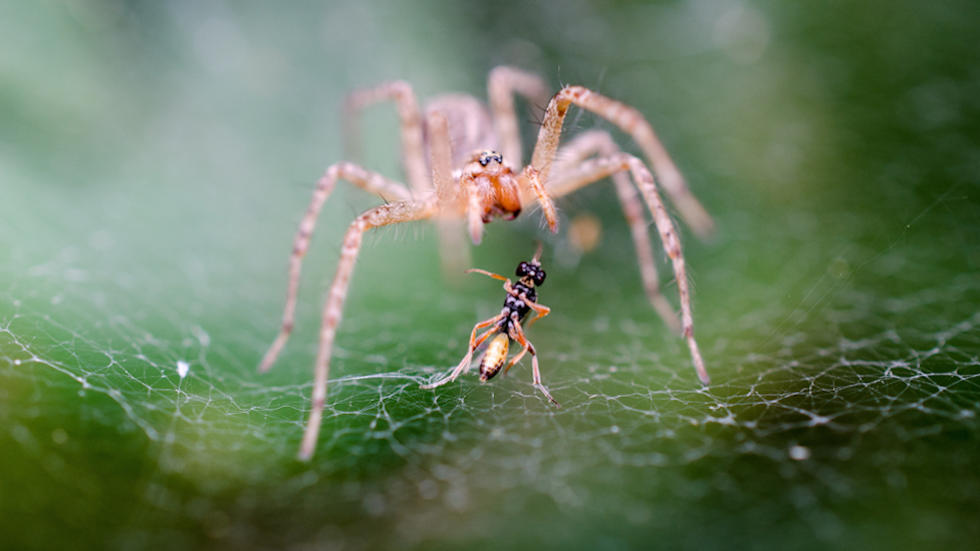
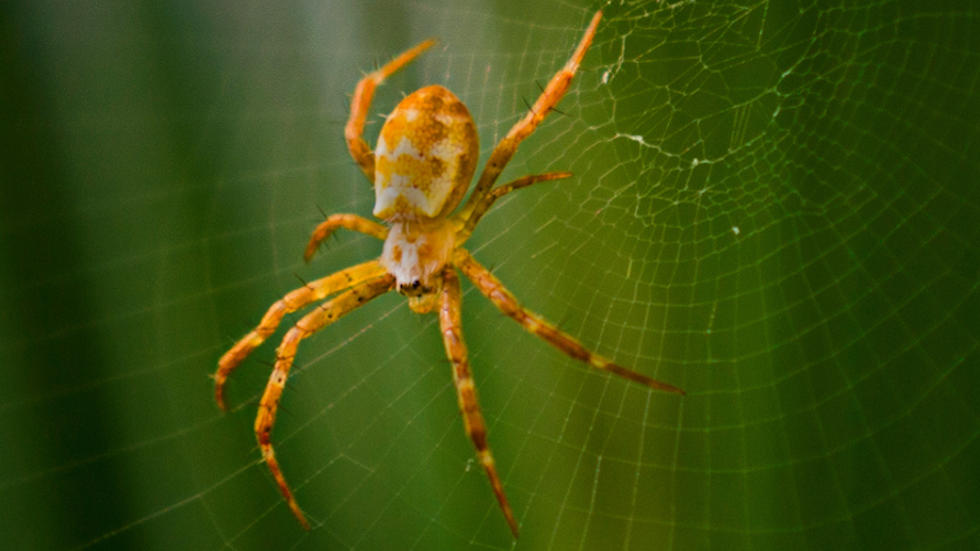
Spider

Spiders are a class of the arthropods. Currently there are about 100,000 known species. The body of a spider is subdivided into two parts (front body and back body). It has 4 pairs of legs and further extremities, like poison claws, scissors, feelers or mouth parts.
Soil texture
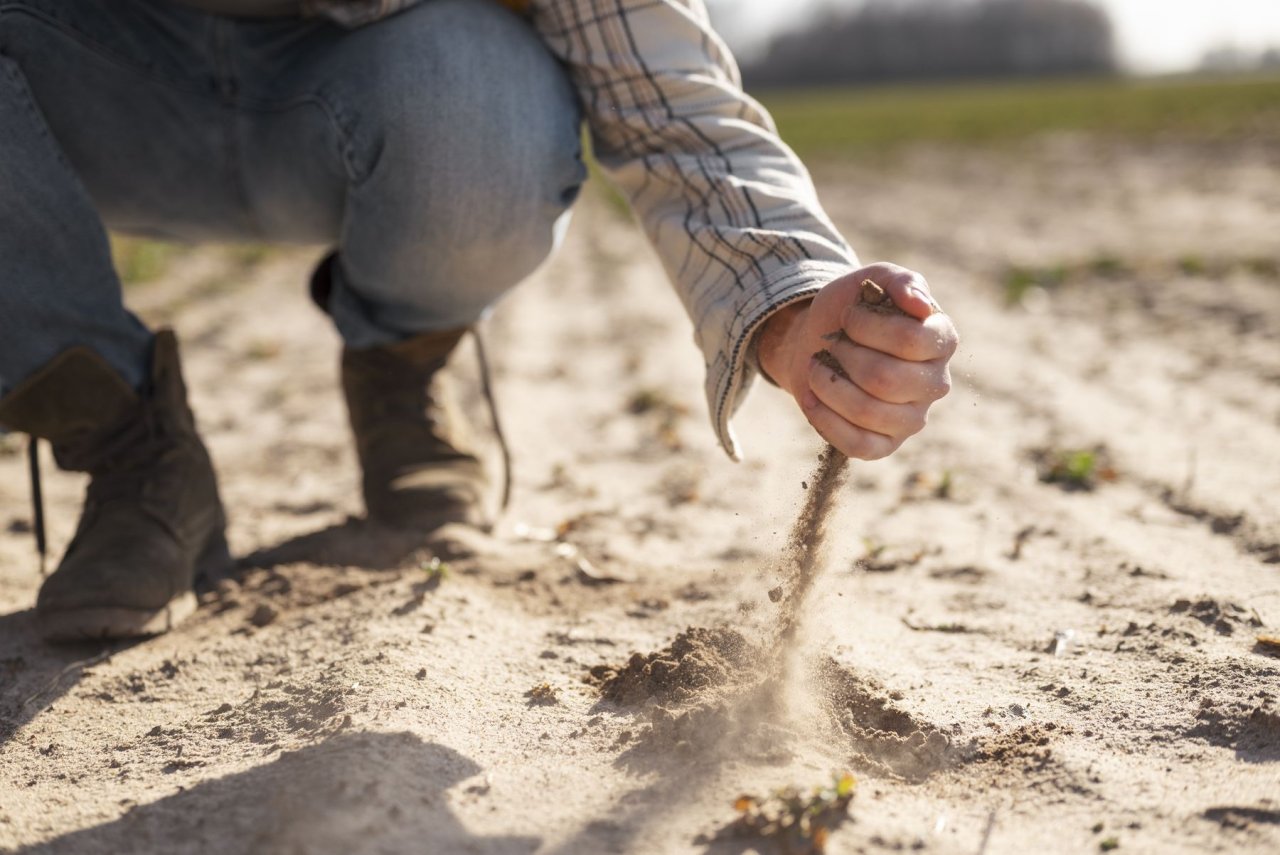
Texture by Feel
You can analyze the texture of soil with just your hands. This helps with classifying the kind of soil you are observing. There are 3 types of soil structures: sand, silt and clay.
How to analyse soil texture by feel
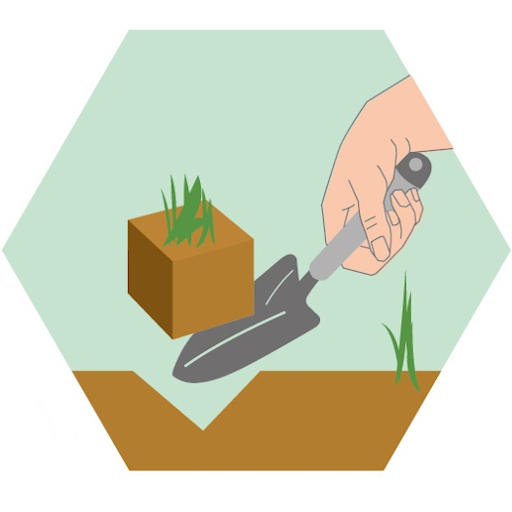 First, take a soil sample. For this, you need a hand shovel with which you can excavate the soil down to 10 cm.
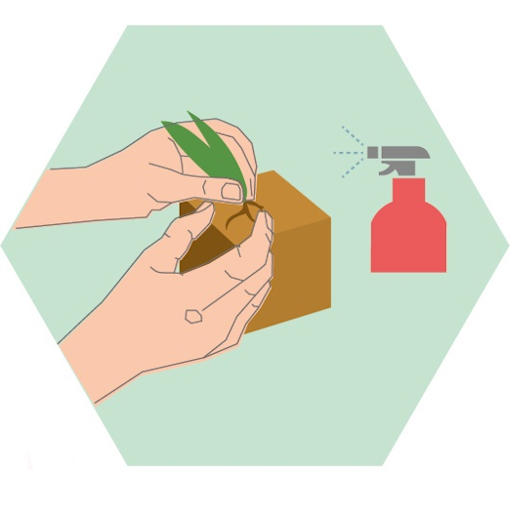 Afterwards it is necessary to prepare your sample. You should remove plants, roots and stones from the soil sample. If the soil is too dry, it must be sprayed with water. If it is too wet, dry soil must be added.
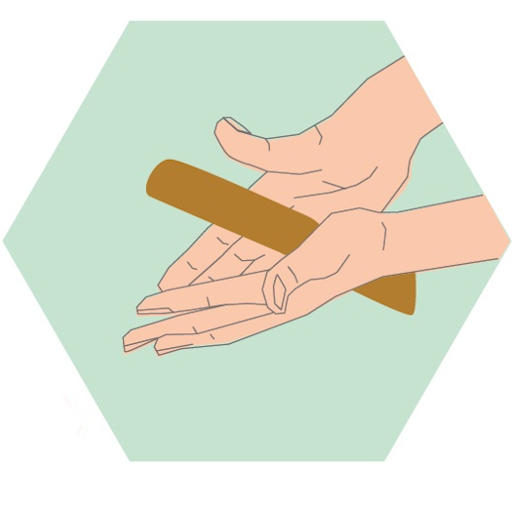 Then, the soil must be rolled between the palms of your hands until it has a shape similar to a sausage.
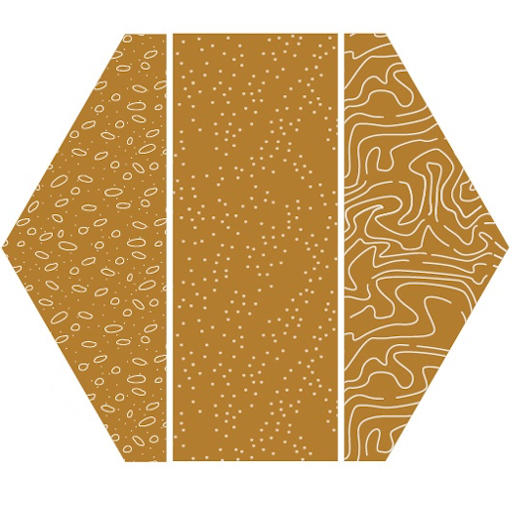 Now the soil must be examined. Is the soil...
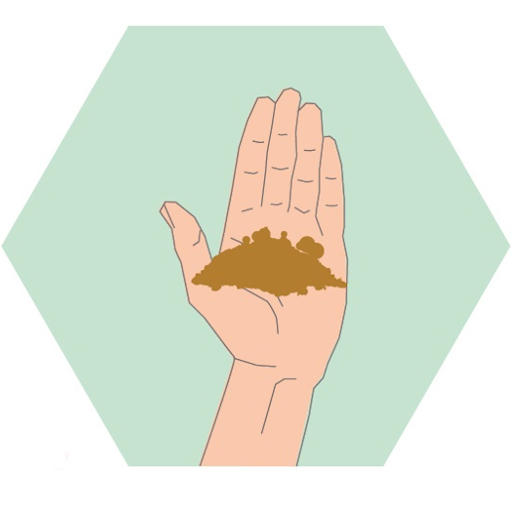 a....sandy? - a light soil that falls apart on the hand because it is very crumbly.
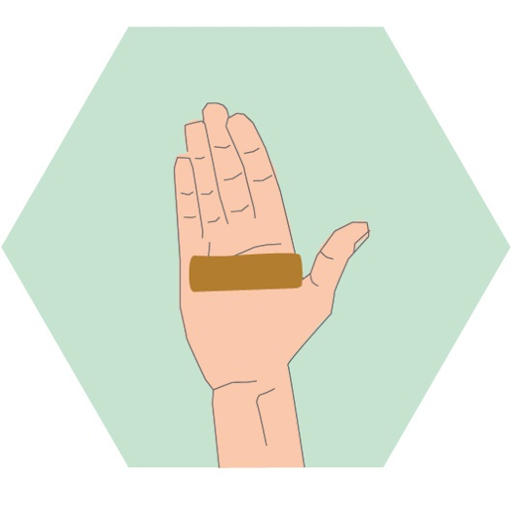 b. ... silty? - a medium-heavy soil that can be rolled into a short thick sausage.
 c.... clayey? - a heavy soil that can be formed into a long thin sausage.
App Permissions

When an App uses functions of your smartphone or tablet, like e.g. the camera or GPS, it needs to ask for your permission to be able to access that functionality. All Apps on the SPOTTERON platform ask for just a minimum um necessary core permissions:
- Access to your location: used for zooming the map onto your area.
- Access to your media & camera: used for adding photos to your spots.
After the introduction slides, the App will ask for the first permission: Access your location. This permission allows the App to simply display the map area correctly and zoom to your approximate position on our planet. Please allow the App to access your location to have your GPS working correctly.
When you create your first spot, you can add a photograph to it. In some Apps, this photo is even mandatory for e.g. documentation. Photographs can be added via camera or from your photo gallery on your phone. In either case, the App needs permission to be able to access your camera or gallery so you can choose or take your photograph for your spot.
Further permissions:
In some Apps, there are additional features requiring further permissions. For Apps allowing the recording of audio and sound, for example, the App asks for permission to access the microphone. We always let the Apps ask for just the minimum of necessary permissions and do not use your data in any other way than providing the functionality of the App for you.
Uttorkat vattendrag
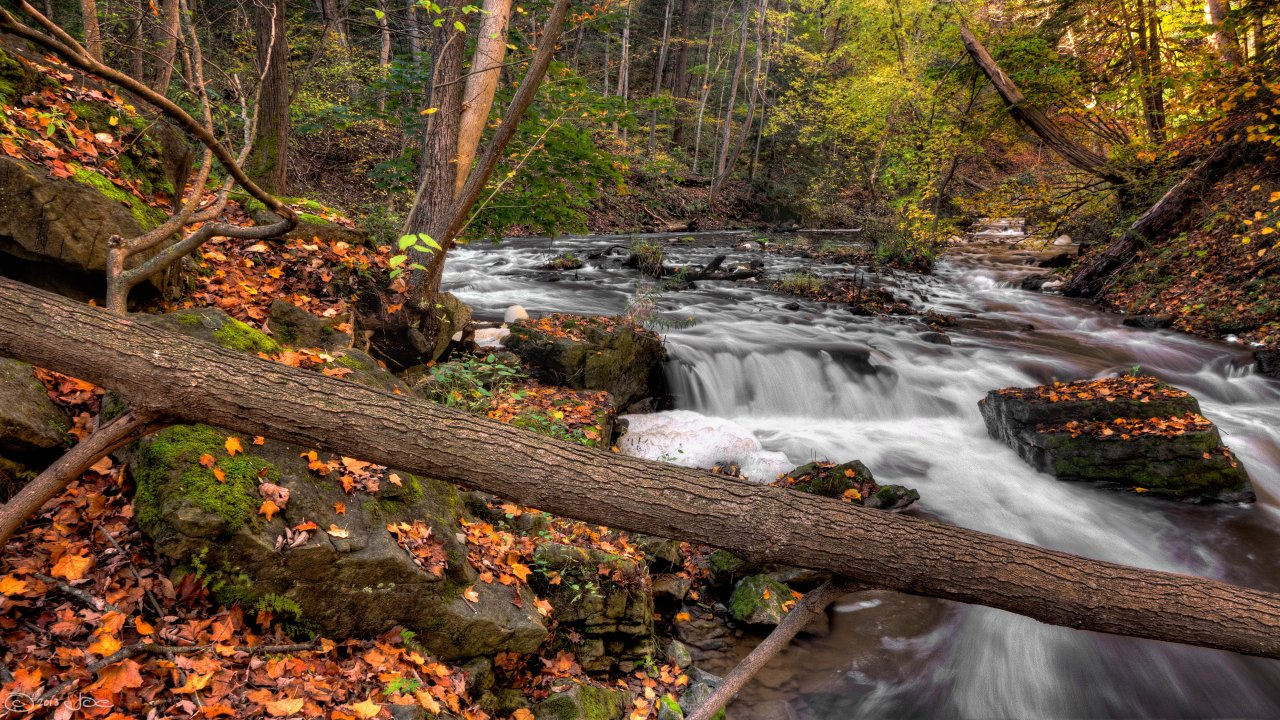
You can also record the dynamics of streams that occasionally dry up with the CrowdWater app. Use the category “temporary stream” to record the presence (or absence) of flowing water in the stream.
Typ
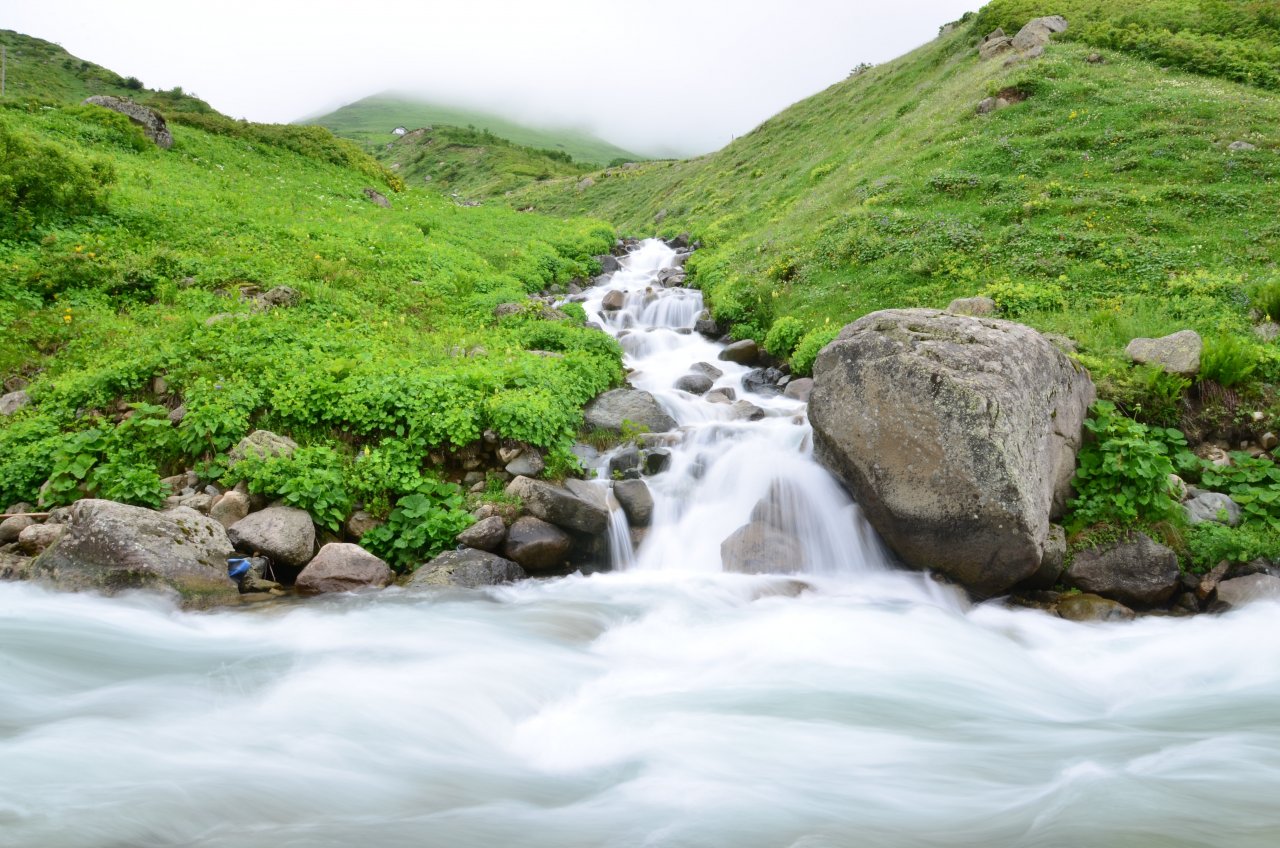
What would you call this watercourse? Note that these size classes are only approximate and partly overlap.
Flödesklass
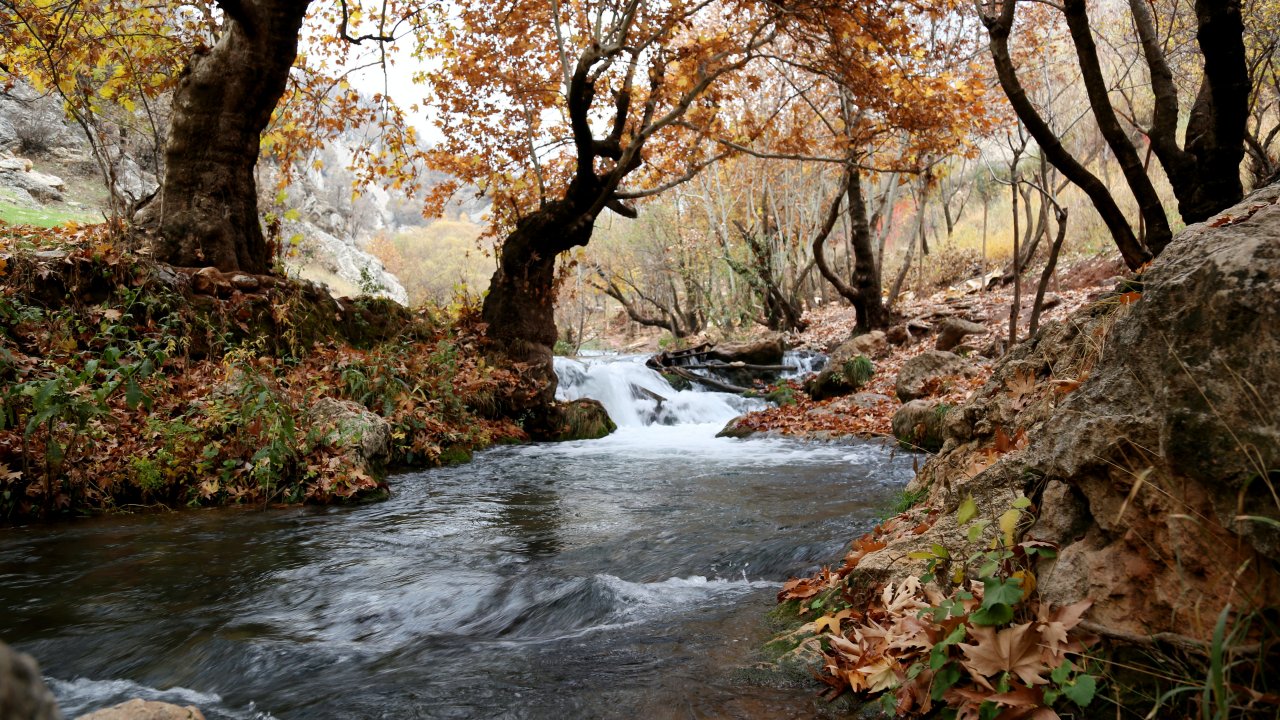
How much water is in the stream right now? Choose one of the following six categories:
- DRY STREAMBED: There is no visible water and the streambed is dry.
- WET STREAMBED: There is no visible water, but the streambed is wet (for at least 2 cm depth below the surface).
- ISOLATED POOLS: There are pools of water in the stream but they are not connected by visibly flowing water.
- STANDING WATER: There is water in the stream but no visible flow.
- TRICKLING WATER: The water is visibly flowing but the amount of flow is very small for the size of the stream.
- FLOWING WATER: The water is clearly flowing.
Markfuktighet
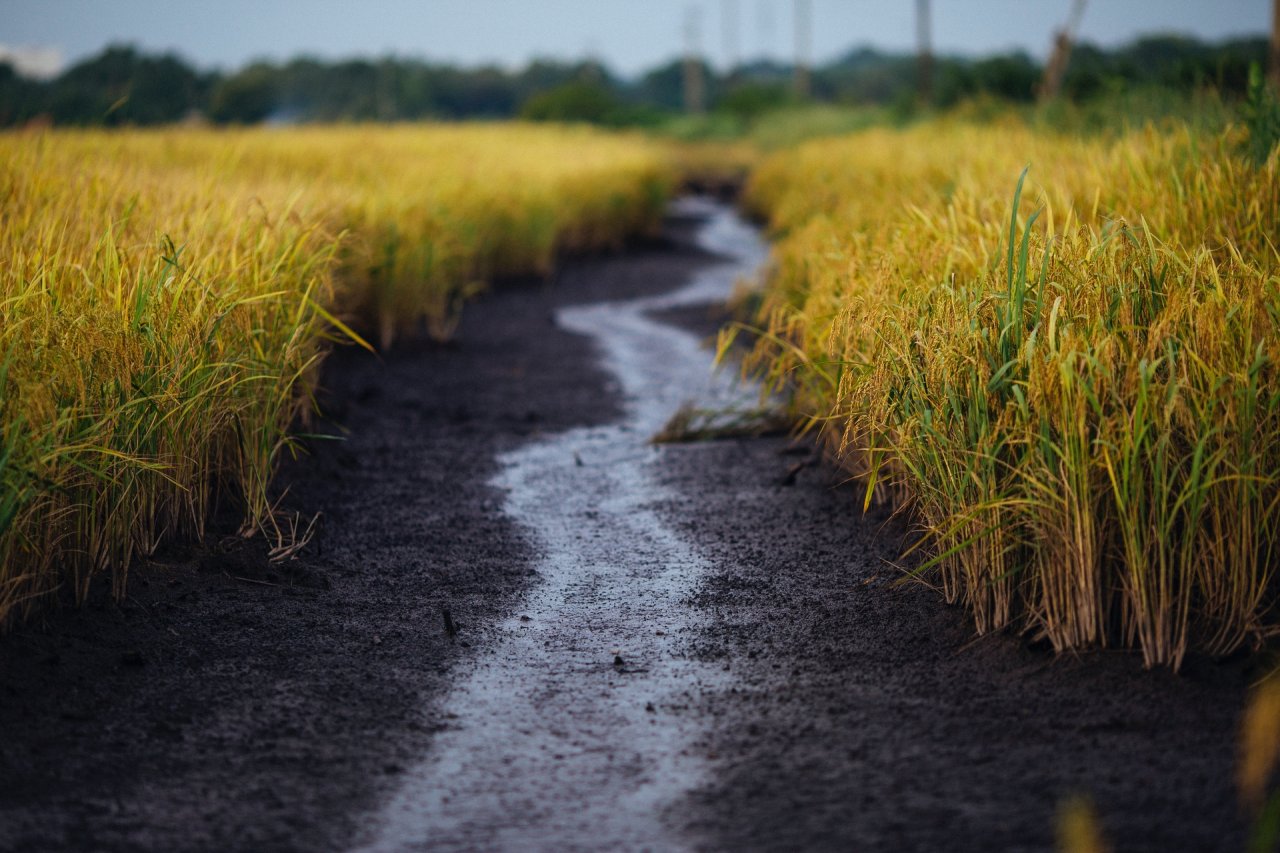
Estimate the moisture content with your hands or shoes. Imagine that you place a backpack on the ground or sit down on the ground. Choose the class that fits the current moisture status best:
- DRY: You could put the backpack on the ground and even after a long time, it would still be dry.
- GRADUALLY DAMP: You could put the backpack on the ground but after some time it would slowly get moist.
- GRADUALLY WET: You could put the backpack on the ground but after some time it would get wet.
- IMMEDIATELY WET: You could put the backpack on the ground but it would immediately get wet.
- MUDDY: If you were to step on the ground, you could hear a squeaky sound from the wet soil.
- WELLING: If you were to step on the ground, you could see water coming out of the ground next to your shoe.
- SUBMERGED: There is water on the surface.
- RAIN/SNOW: There is snow on the surface or it is currently raining – this means you cannot do an observation.
Hur man tar en bild av en flod
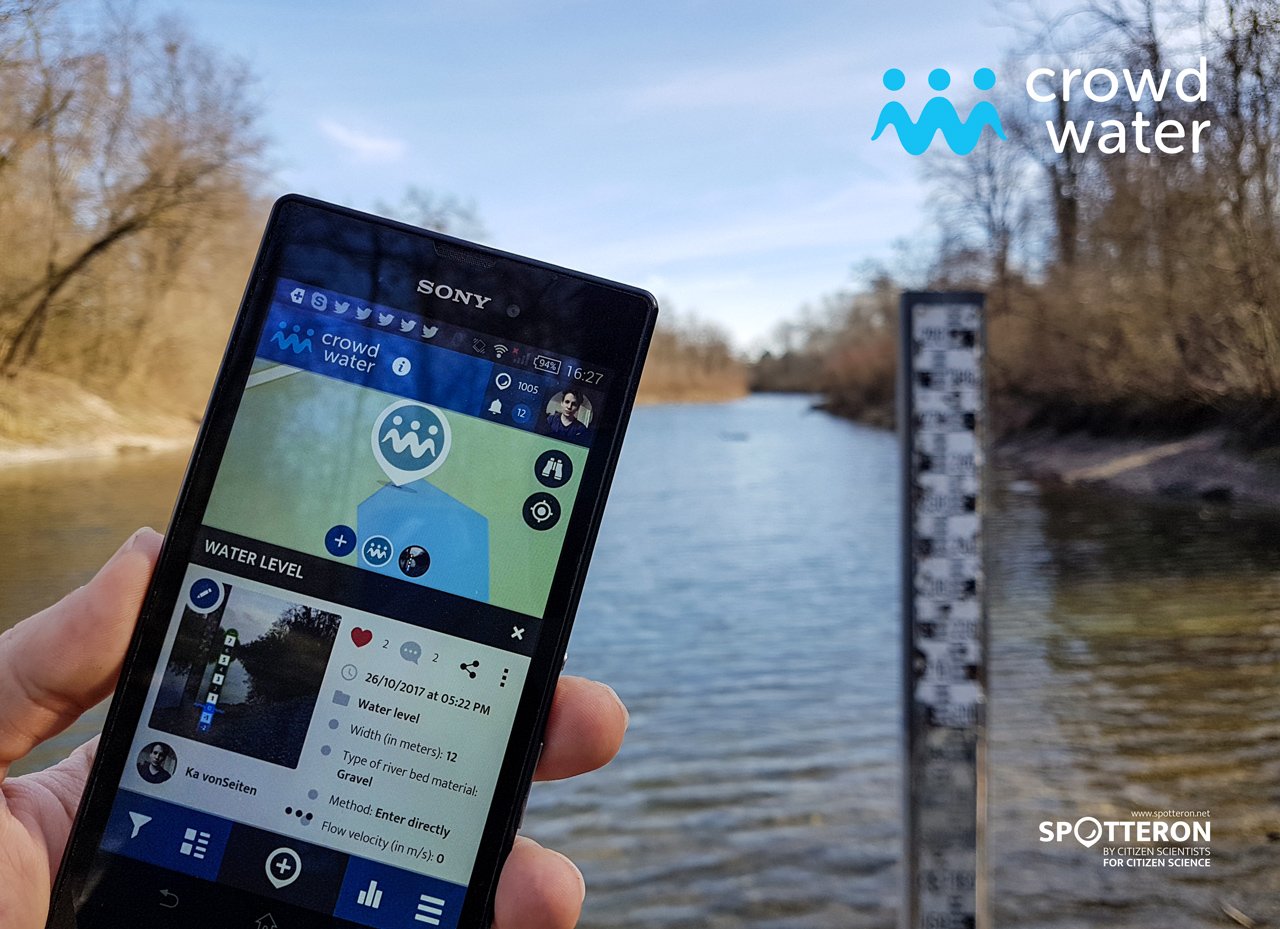
Take the photo of the stream (perpendicular to the direction of flow) with a reference for estimating the water level (e.g., a big rock, wall, or bridge pillar) in the background. Make sure that the water surface is horizontal. You can also choose a photo from your album.
Kategori
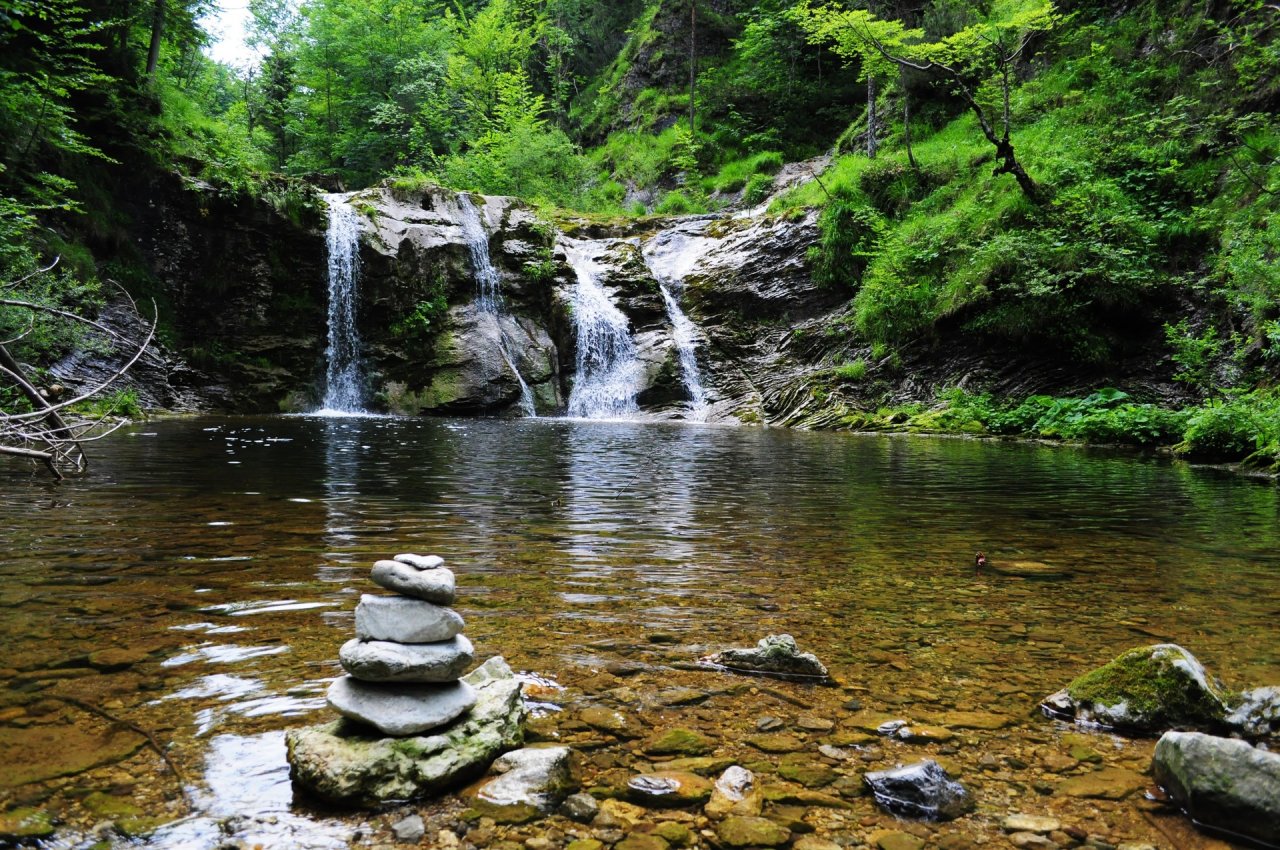
There are different categories in the Crowdwater App:
- Virtual Staff Gauge: For water level observations if there is no staff gauge installed in the stream.
- Physical Staff Gauge: Water level observations based on a staff gauge (ruler) installed in the stream.
- Soil Moisture: Moisture status for any unsealed surface.
- Plastic Pollution: Observations of plastic in a water body or on the shore.
- Temporary Stream: The flow state of streams that sometimes dry up.
- Stream Type: General information for a watercourse, including information on the water quality.
иногда высыхает
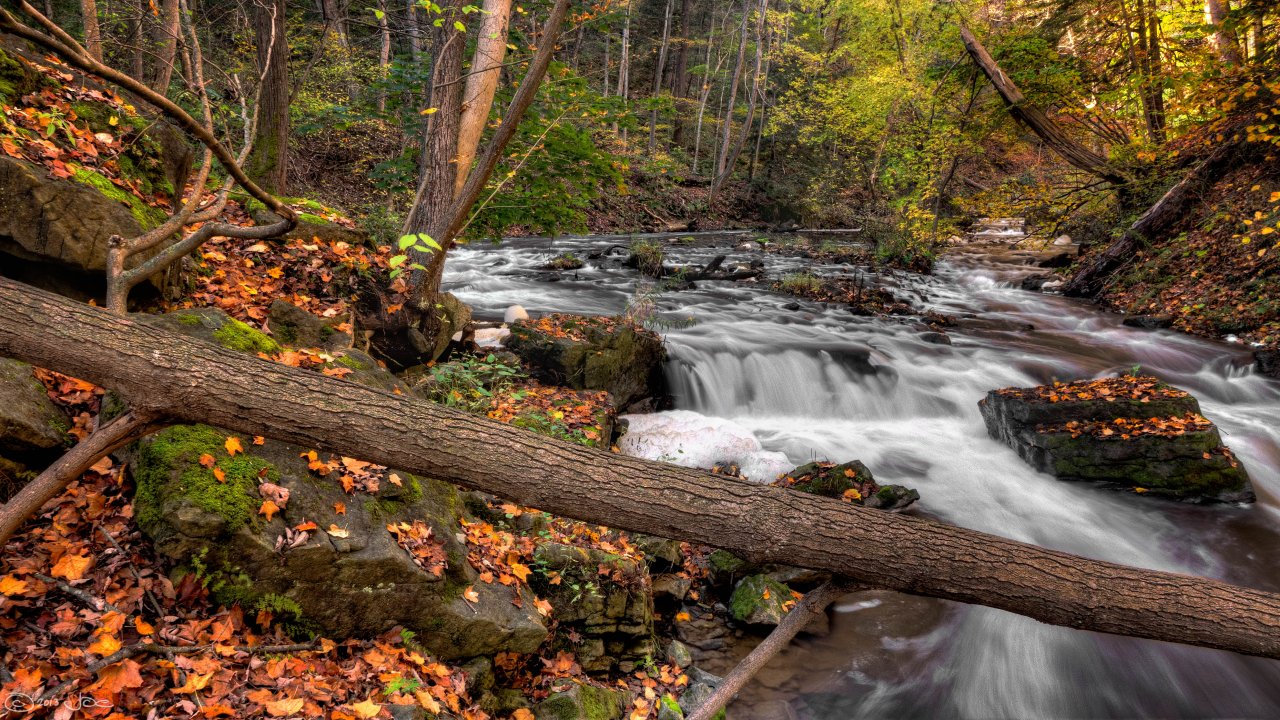
Вы также можете записывать динамику потоков, которые иногда пересыхают, с помощью приложения CrowdWater. Используйте категорию «временный поток» для записи наличия (или отсутствия) текучей воды в потоке.

Please visit the website about the SPOTTERON Platform on www.spotteron.net
This website uses no external trackers, no analytics, just session cookies and values your online privacy.