Short note: This website is in Beta - we are currently building everything up but you can already find the apps to download and participate! Thank you and stay safe!
 Questions, help or just curious?
Super User
CaneToads
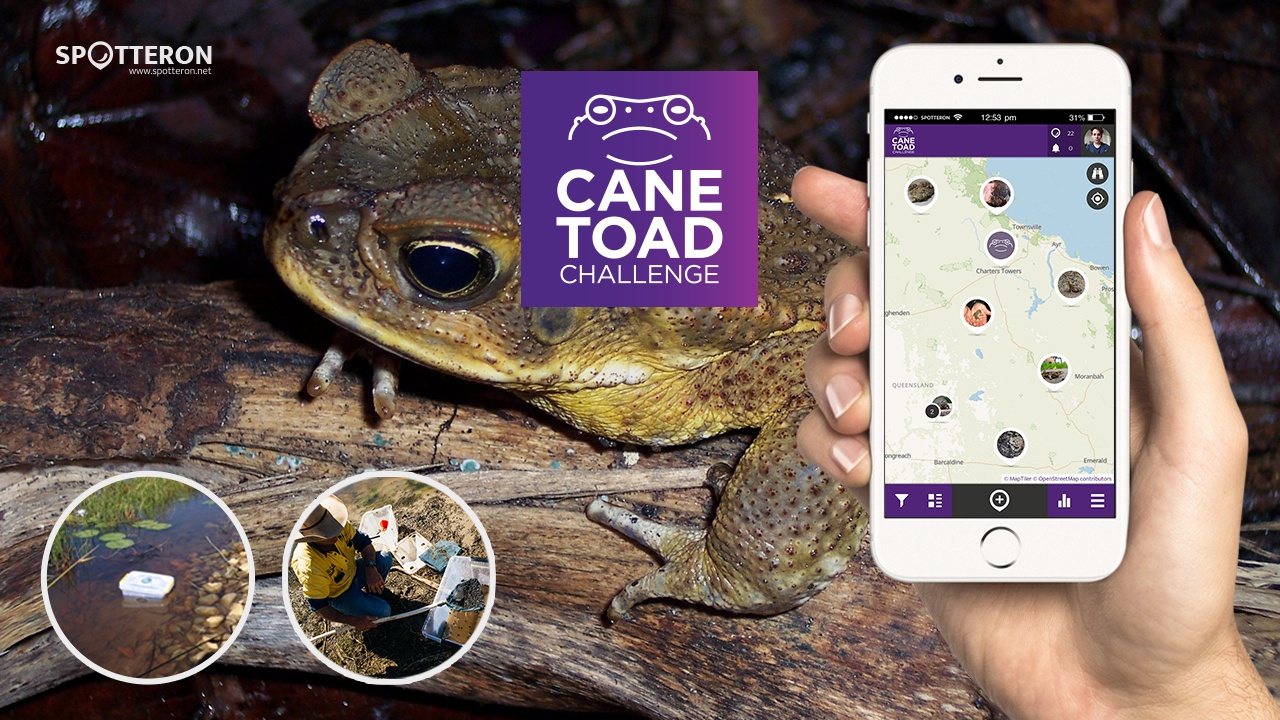
Cane toads are relentless invaders. They were transported to sugar cane growing regions of the world from South America early last century, including Australia, in the hope, they would eradicate beetles devastating sugar cane crops. The experiment failed spectacularly. Toads ignored beetles, and instead embarked on an epic global invasion. With this App, you can reduce their population to protect local flora and fauna.
Citizen Science helping to cope with an invasive species
The purpose of the Cane Toad Challenge app is to support citizen science, to inspire the public, media, scientists, authorities and decision-makers, to catalyse awareness and gather data, to inform the development and implementation of more effective cane toad control policies and practices.
Green Growth Forests
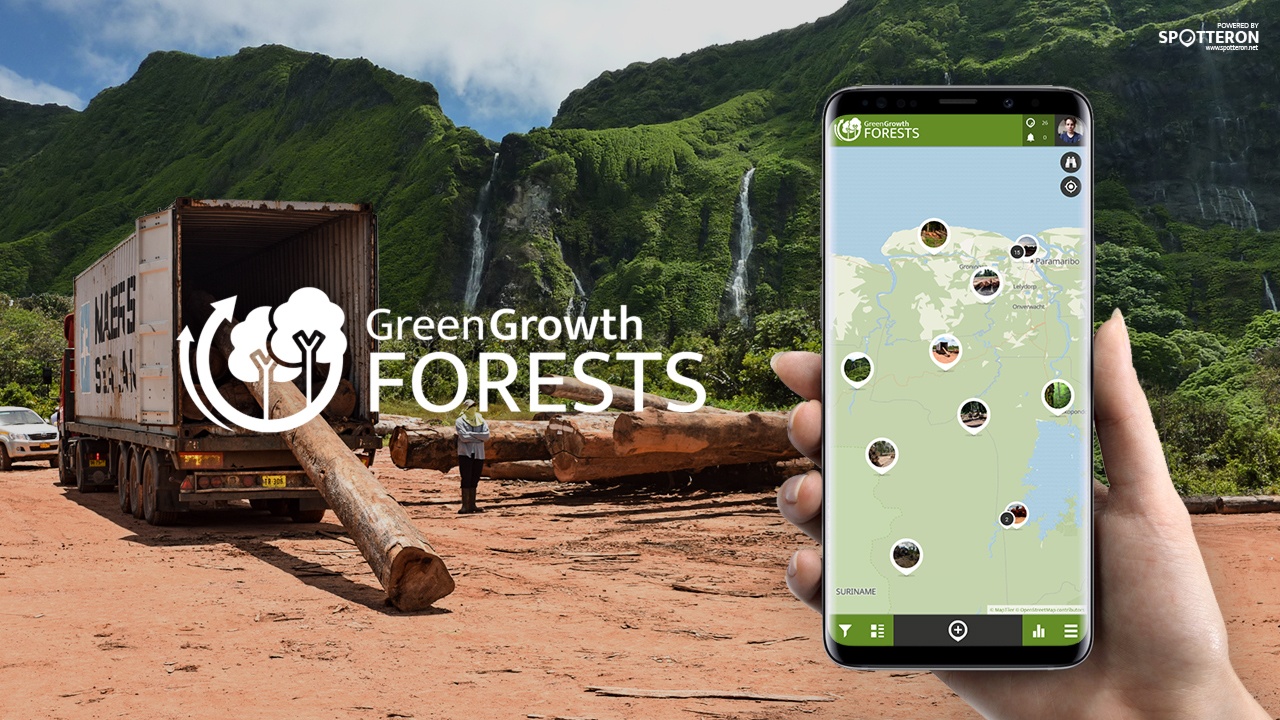
With the Green Growth Forest app, everyone can contribute to keeping Suriname the greenest country on earth.
Suriname is a small country in South America, an impressive 93 per cent of it is covered in dense forests. One could say it‘s one of the greenest countries on the planet. It's forest contributes to the world’s climate change as one of two carbon negative countries globally, and it harbours the world’s fourth-largest amount of freshwater resources.
A Citizen Science App to keep Suriname green
To keep it that way, the Green Growth Suriname Foundation invites citizens to keep watch on the forests and the tree logging there, and contribute to complement existing national data on forest conservation.
Data gathered by citizens in the app can help scientists understand the drivers of tree logging and find solutions for it.
SIBRA
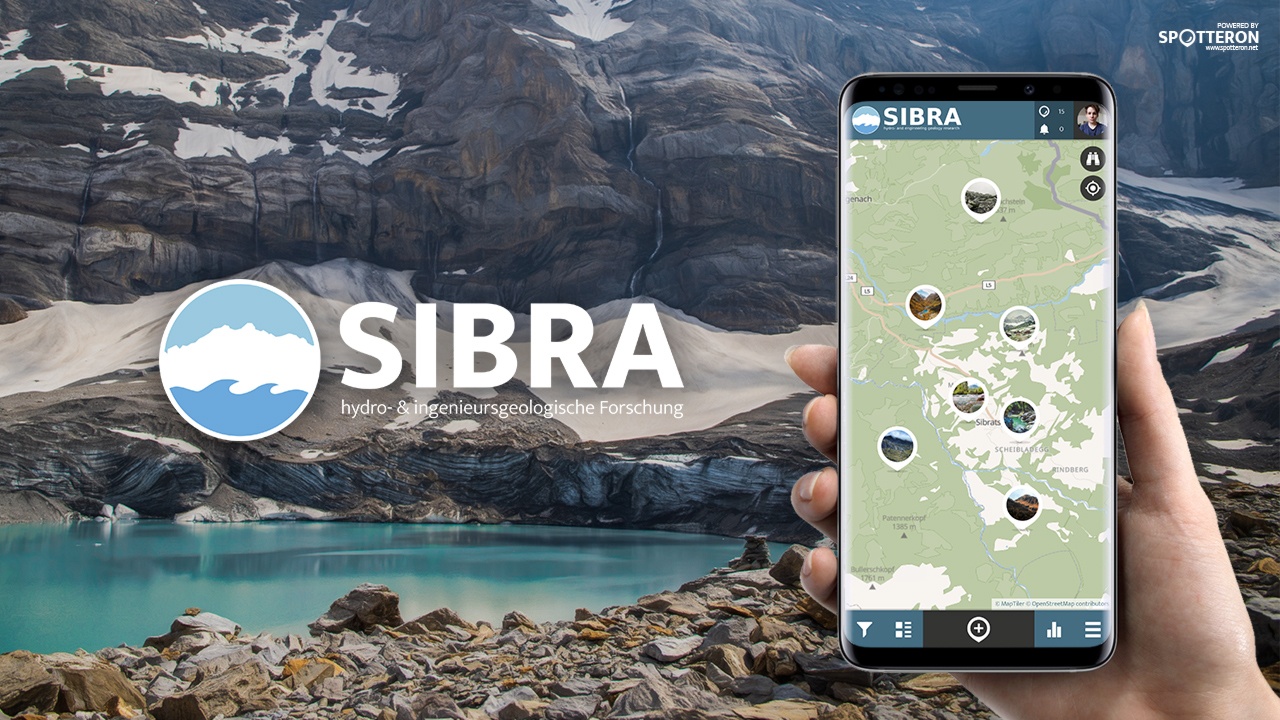
The connections between water and geological underground are diverse and often complicated. With the SIBRA App, you can generate reliable data on these topics and help to a better understanding of these connections. That way, you can contribute to developing models and scenarios that allow for assessing possible effects of extreme weather events, such as rapid snowmelt, flooding or drought.
Citizen Scienctist collecting hydrogeological data
With the SIBRA app, a measuring instrument is now available that complements not only existing measuring methods in the field of hydrogeology and engineering geology and enormously expands the data situation, but also allows interested citizens to actively deal with processes such as geological mass movements and hydrogeology.
KraMobil
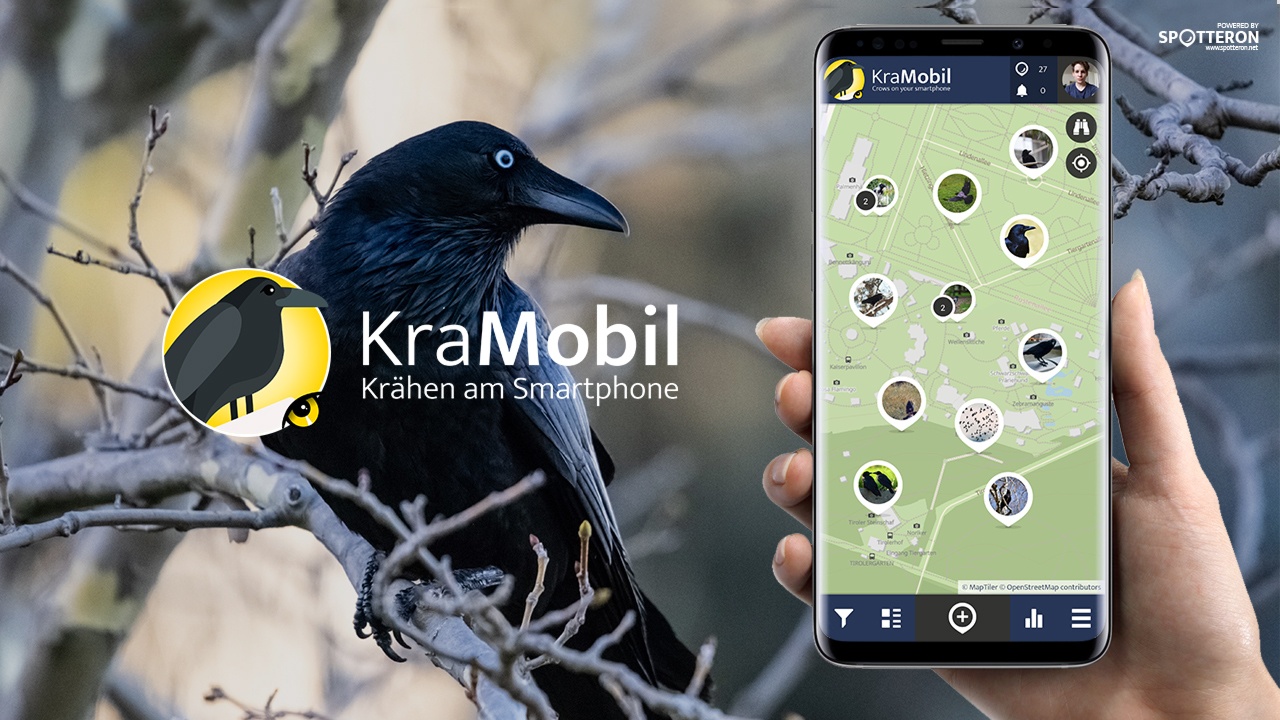
With "Crows in the zoo" you can observe the species and subspecies of crows and how they interact with the animals at the Vienna Zoo. Observe and find out how clever these birds are and how quickly they learn!
Observe different crow species and see how quickly they learn with Citizen Science!
The aim is to actively involve zoo visitors and citizen scientists in the research activities of the University of Vienna (Department of Behavioural and Cognitive Biology together with the Konrad Lorenz Research Center) to monitor different crow species and individual crows’ behaviour in the zoo. These observations shall allow scientists to understand better the ecological factors determining their group dynamics.
The observations will also provide insights on the influence of ecological factors (e.g. food availability or presence of zoo animals) on their social behaviour.
While a particular focus lies to the area of the Zoo Vienna, observations from elsewhere in and around Vienna are welcome.
Landauf, LandApp BW

With your help, we would like to map architectural, cultural and natural monuments all over Baden-Württemberg. Together we will use this app to find out what there is to see in Baden-Württemberg! We are interested in your discoveries and favourite places, no matter in which corner of our state. Because who knows them better than you?
BrushTurkeys

The BRUSHTURKEYS app is all about Australian Brushturkeys extending their natural habitat, which usually includes rainforests and woodlands, to suburban areas.
The brushturkey is a fascinating bird for Citizens and Scientists alike.
Once a rare species due to overhunting, the Australian Brush-turkey is now commonly found in urban areas on Australia’s east coast. They are large birds with a wingspan of about 85 cm, black feathers and a red head. The males build huge nest mounds on the ground out of leaves, twigs, and other compostable material, which are then visited by local females, for mating and egg-laying.
With the app, you can gather sightings on the Australian Brush-turkey and observe their behaviour. Your observations help to understand better how these birds adapt to their surroundings.
Forschen im Almtal
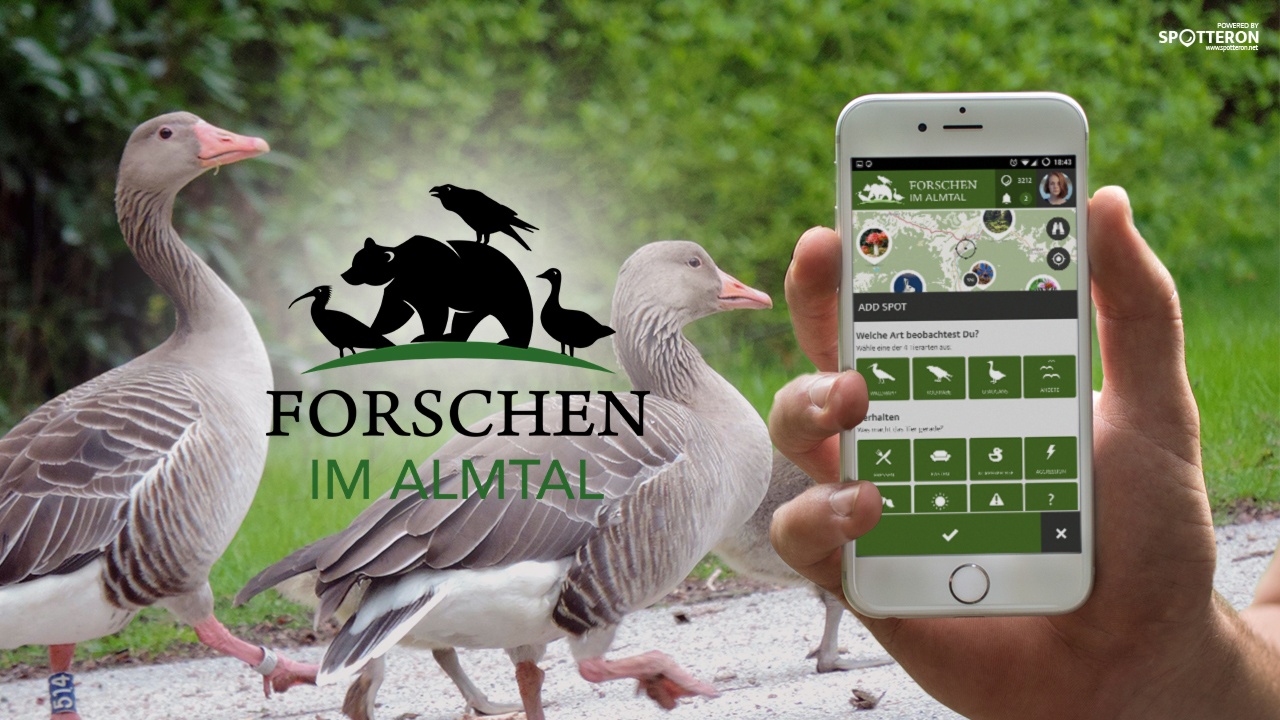
"Forschen im Almtal" is the app for a Citizen Science project of the University of Vienna in collaboration with the wildlife park in Grünau in Austria's Almtal. Visitors of the Wildlife park can become Citizen Scientists and observe three bird species (grey goose, raven and northern bald ibis) and help collect data on their behaviour in the Citizen Science App 'Forschen im Almtal'.
Learning more about bird behaviour
This project aims to monitor these three bird species, to find out when and where which animals can be found. Do they have preferences for specific places within the wildlife park, or do they prefer the company of fellow birds? The free-flying birds in the Cumberland Wildlife Park are individually marked (leg rings, wing markings), making recognizing individual birds easy for everybody!
WaldrApp

WaldrApp is a Citizen Science project from the University of Vienna aiming to collect ecologic Information on the whereabouts of "Waldrapps" (English: northern bald ibis). Since these birds are an endangered species, the data collected through the app can help gain essential data for future settling projects. Feel free to join and contribute to this citizen observatory!
Citizen Scientists are spotting an endagered bird species
The northern bald ibis choose their feeding areas according to different characteristics: areas that are a long way away from roads, houses and trees and those with short vegetation are preferred. In addition, resource availability, as well as local loyalty and the formation of traditions play a role. With the help of interested citizens, this information should now be collected via the WaldrApp app.
Was Geht Ab?

This Citizen Science App was specially designed for children and young people! With it, you and your friends can observe your surroundings and evaluate possible positive places or dangers, and thus contribute to improving them.
Improving public spaces with the youngest Citizen Scientst
Show the grown-ups how children see their environment: in which places do you feel comfortable and where do you feel unsafe? Where do you meet your friends? Which traffic light totally annoys you? Is there a bike path missing, and why is the sidewalk far too narrow? Rate public spaces with the app!
Spot-a-Bee
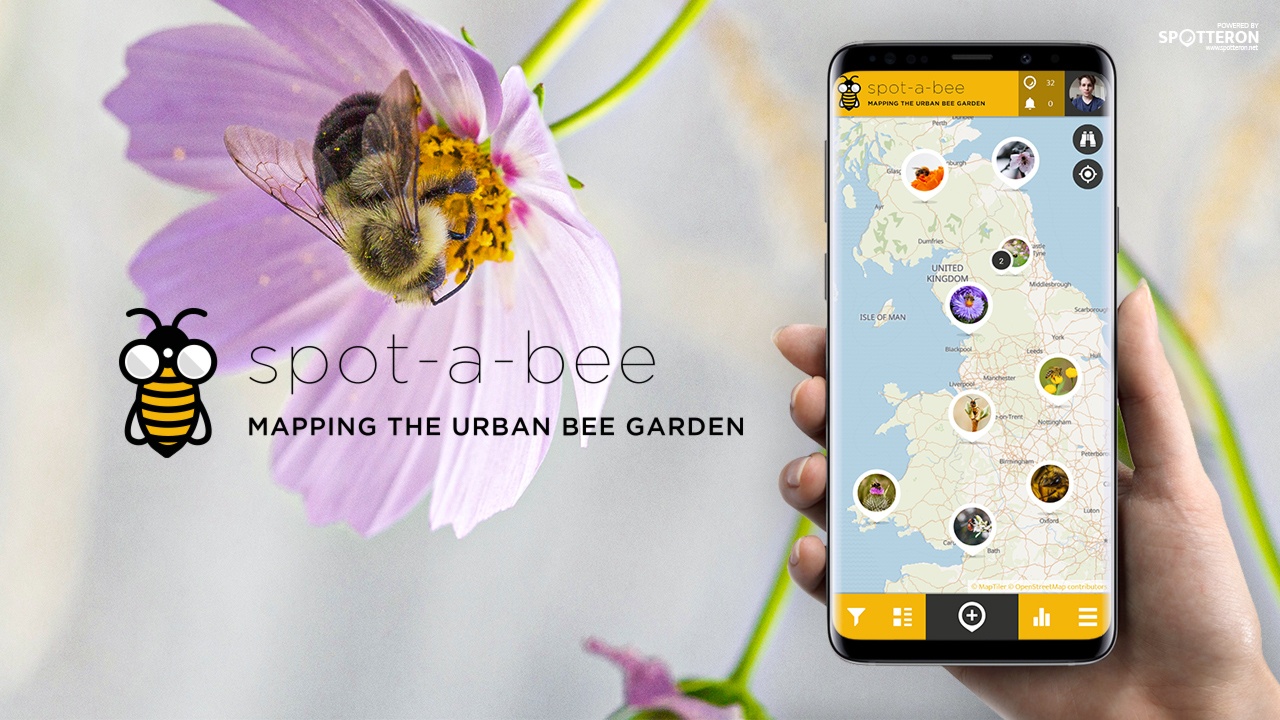
At the Spot-a-Bee Citizen Science project, the researchers of Cardiff University and the University of Glasgow, UK want to find out what plants, trees and shrubs are important for bees in city and town parks and gardens. People can help survey bee-friendly plants towns, cities and villages! If you spot a bee, use your mobile to take a picture of the plants they’re buzzing around and upload the spot in the Citizen Science app.
Explore the fascinating world of bees with Citizen Science
The Spot-A-Bee app allows you to observe and document any flowers, shrubs, climbers or trees and the bees on them. Additionally, it contains useful information on those plants and the most common bee species in the UK.
As a bonus, the researches behind Spot-A-Bee also want to understand how planting in urban spaces might affect the production of urban honey.

Please visit the website about the SPOTTERON Platform on www.spotteron.net
This website uses no external trackers, no analytics, just session cookies and values your online privacy.