Short note: This website is in Beta - we are currently building everything up but you can already find the apps to download and participate! Thank you and stay safe!

 Questions, help or just curious?
Super User
CoastSnap - changing coastlines
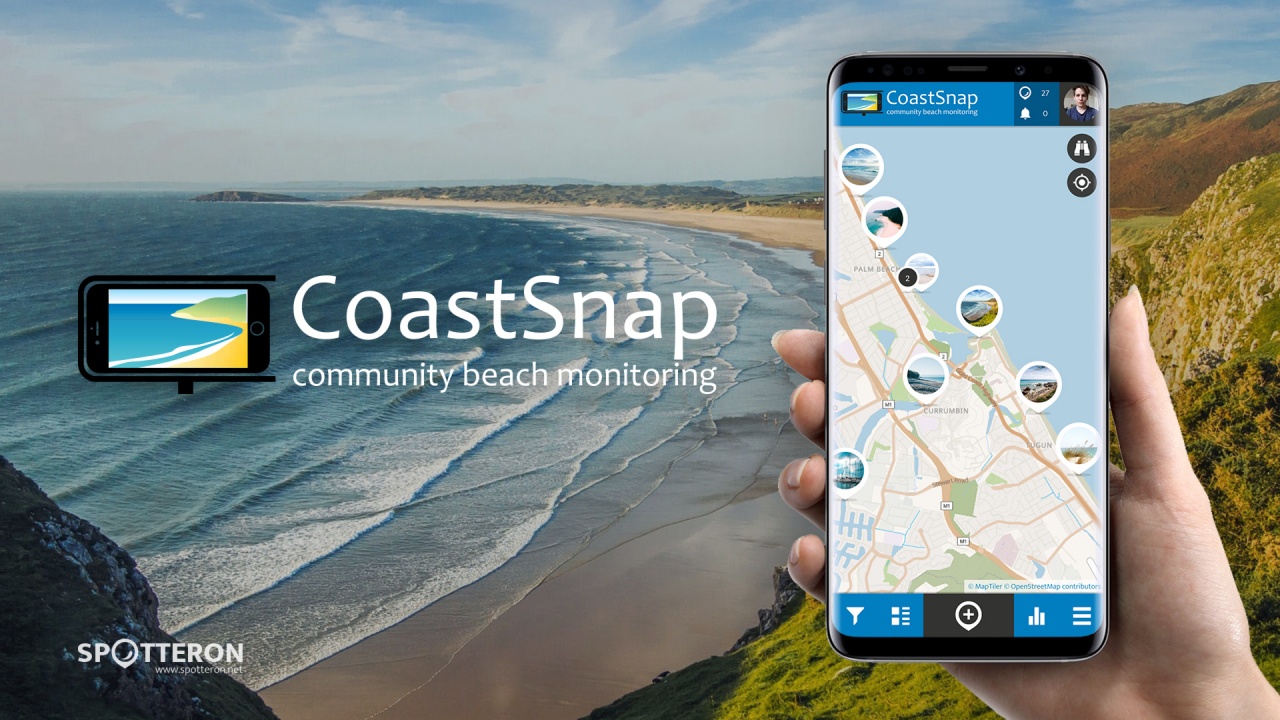
CoastSnap is a global citizen science project to capture our changing coastlines. No matter where you are in the world, if you have a smartphone and an interest in the coast, we welcome you to participate! CoastSnap relies on repeat photos at the same location to track how the coast is changing over time due to processes such as storms, rising sea levels, human activities and other factors.
Snap a photo of a coast near you in the app!
Using a specialised technique known as photogrammetry, CoastSnap turns your photos into valuable coastal data that is used by coastal scientists to understand and forecast how coastlines might change in the coming decades. Photogrammetry enables the position of the coastline to be pinpointed from your snaps to an accuracy similar to that of professional coastal survey teams. All we ask is that you take the photos at the same location (by using one of our official CoastSnap camera cradles or a do-it-yourself adaptation) and record the precise photo time in the App. The more photos we have of a particular site, the better our understanding becomes of how that coastline is changing over time.
Big City Birds
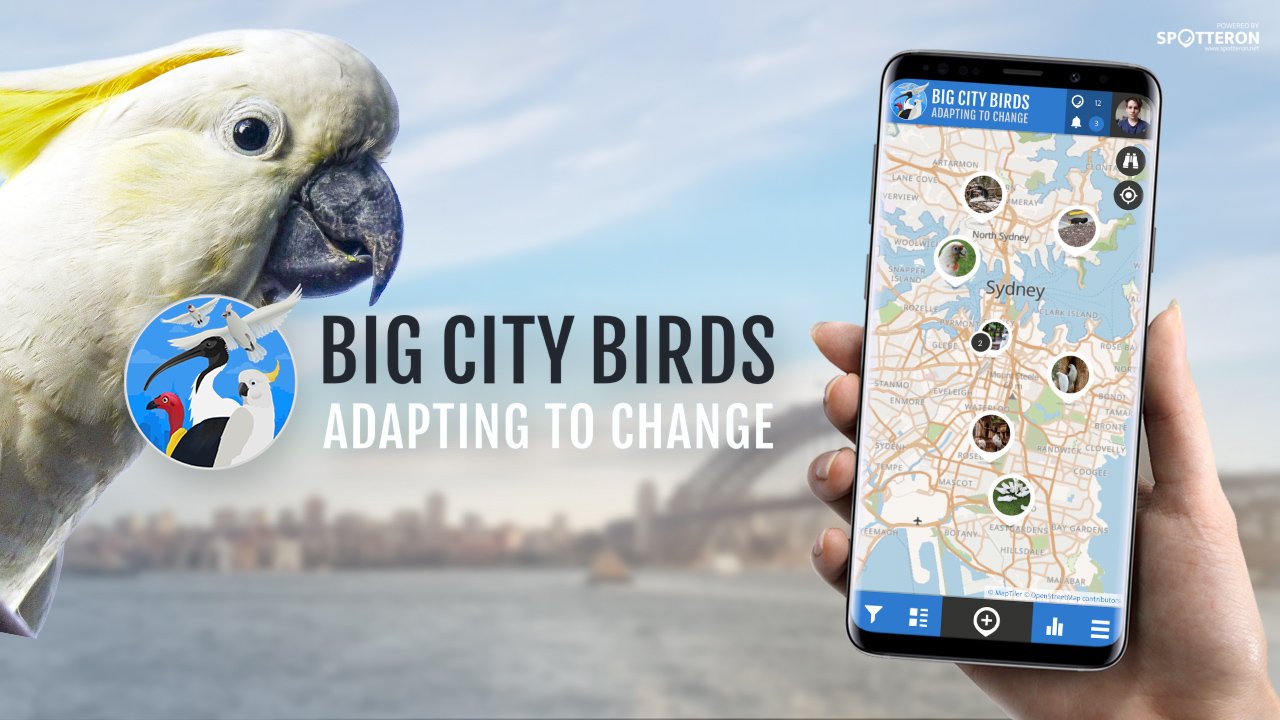
We, humans, are capable of dramatically altering the landscape. Cities are a familiar and extreme example of this change. Intriguingly, some animals can adapt to these changing environments by flexibly changing their behaviour. The project focuses on five bird species that have done so successfully: Sulphur-crested Cockatoo, Australian Brush-turkey, Australian White Ibis, Little Corella, and Long-billed Corella. Additional species can be reported by selecting “other.”
Birds adapting to change in our cities
The five focal species have all been observed adapting to human-modified areas , and are increasing their population in urban areas. Occasionally they are considered a nuisance, yet they are all Australian native birds that are doing their best to survive in human-altered landscapes. The data collected will help scientists understand these species’ behaviour, movement, reproduction, distribution, and habitat use in suburban areas. We aim to use this information to help understand the behavioural traits that have allowed some species to adapt to the challenges and opportunities of city living.
Soils for Science
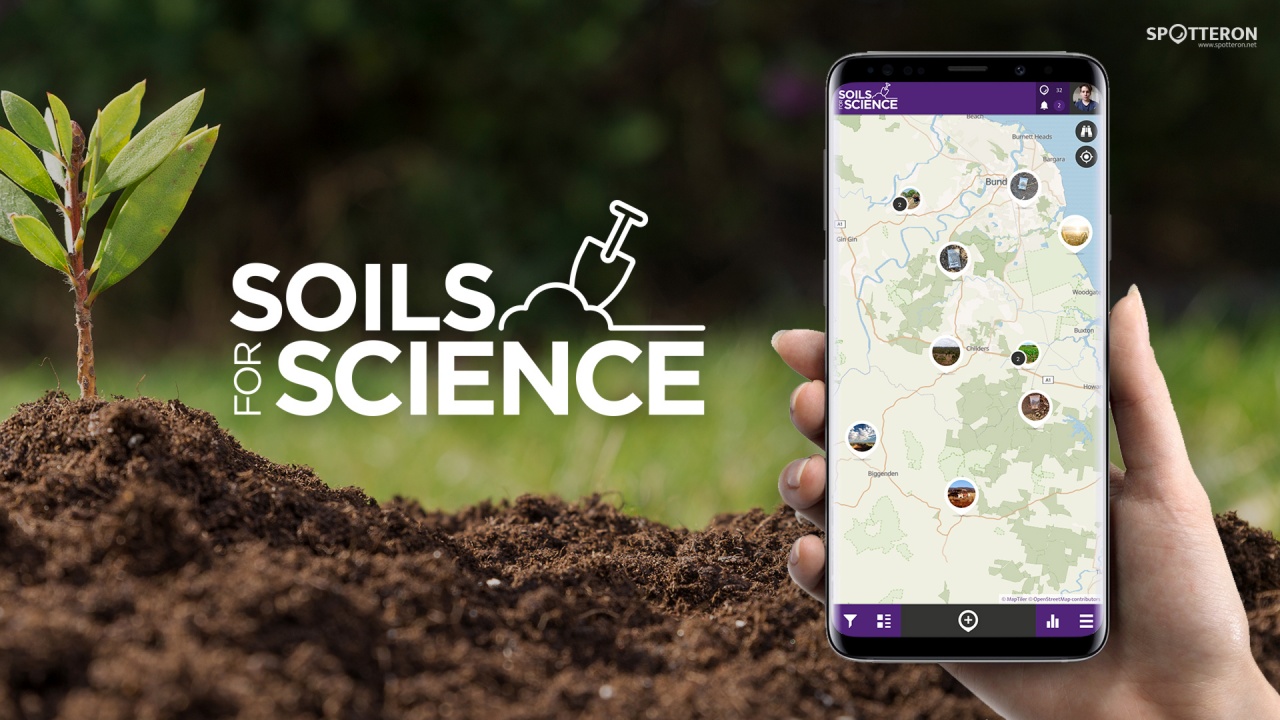
Soils for Science (S4S) is a citizen science initiative of The University of Queensland, Institute for Molecular Bioscience. S4S aims to inform the public on the importance of antibiotic resistance in modern healthcare, and soil microbes as a source of next generation antibiotics. S4S provides the public with free sampling kits (visit soilsforscience.org.au) to collect soil samples rich in microbial biodiversity (bacteria and fungi). Pure microbes will be isolated by UQ researchers and used as a resource to search for new and improved antibiotics. High resolution images of the microbial communities found in each soil sample will be uploaded to the S4S website, where the public can find their own sample(s), to zoom in and view the marvellous and miniature world of microbes.
The need for antibiotics and Citizen Science
The antibiotics revolution that began early last century with the discovery of penicillin heralded a golden age in healthcare. With the emergence of modern antibiotics, for the first time in human history, infectious diseases were no longer a death sentence. In the decades that followed microbe-inspired antibiotics sparked a revolution in global science, healthcare and commerce, raising the quality of life, and life expectancy of millions (even billions) of people worldwide.
Sadly, in recent years the protection offered by modern antibiotics has waned and, with very few new antibiotics coming to market, and escalating levels of antibiotic resistance, the handful of vintage antibiotics that remain are struggling to provide the level of infection control that the public have come to expect. Antibiotic resistance and an inability to effectively manage infectious diseases have been identified as one of the biggest public health challenges of our time.
Fungal infection. Globally, over 300 million people are infected with a serious fungal infection, 25 million are at high risk of dying, 1.6-2.5 million die each year, and over 1 million are
left blind. Illustrative of the threat, the highly infectious fungus Candida auris causes serious bloodstream infection, particularly in hospitals and nursing home patients, with only a 1 in 3 chance of survival. The first Australian patient with a Candida auris infection was reported in 2019.
Bacterial infection. In the US alone, antibiotic-resistant bacteria cause 2 million infections and >23,000 deaths per year, at an estimated economic impact of USD55-70 billion, while deaths in Europe are estimated at 33,000, and globally at over 1 million per year. Deaths due to antibiotic-resistant bacteria in Australia are higher today than a decade ago.
There is an urgent need to discover new antibiotics.
An Australian Citizen Science App
SOILS FOR SCIENCE will provide the Australian public (home and landowners, schools, community, social and sporting groups and others) with educational material on antibiotics and antibiotic resistance, and the important role played by microbes in the past, present and future discovery of antibiotics. S4S also provides a platform for public engagement in citizen science. Registered S4S APP users (Australia only) can submit an online request for a free soil sampling kit (visit soilsforscience.org.au), which include sample bags, a pre-labelled, pre-paid return postage pouch. All microbes isolated from S4S soil samples will be cryopreserved and registered with MICROBES AUSTRALIA, where they will be queued for taxonomic, genomic, chemical and antibiotic profiling. Promising leads will be prioritised for detailed investigation by University of Queensland researchers, to learn more about the microscopic life with Australian soils, and in doing so assist in the discovery of new antibiotics.
App Manual
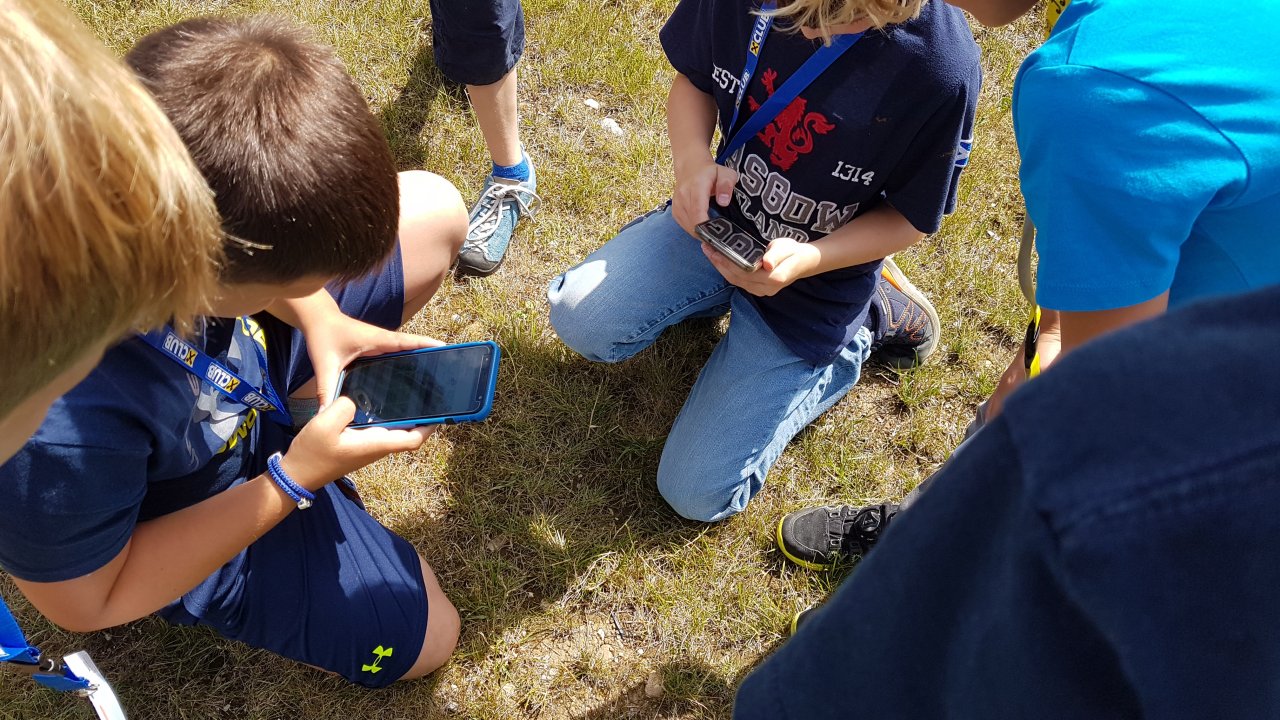
Here you can find help in using the apps!
Anne from SpiderSpotter

As a working mom, it's always a challenge to find things that are "cool" enough for the kids but also educational. The SPOTTERON apps are a blessing as they provide both. I can leave the kids outside for hours to explore the spiders in the garden instead of playing computer games all day - and they love it! It's a win-win!
Anne from SpiderSpotter
Joseph from Spot-A-Bee
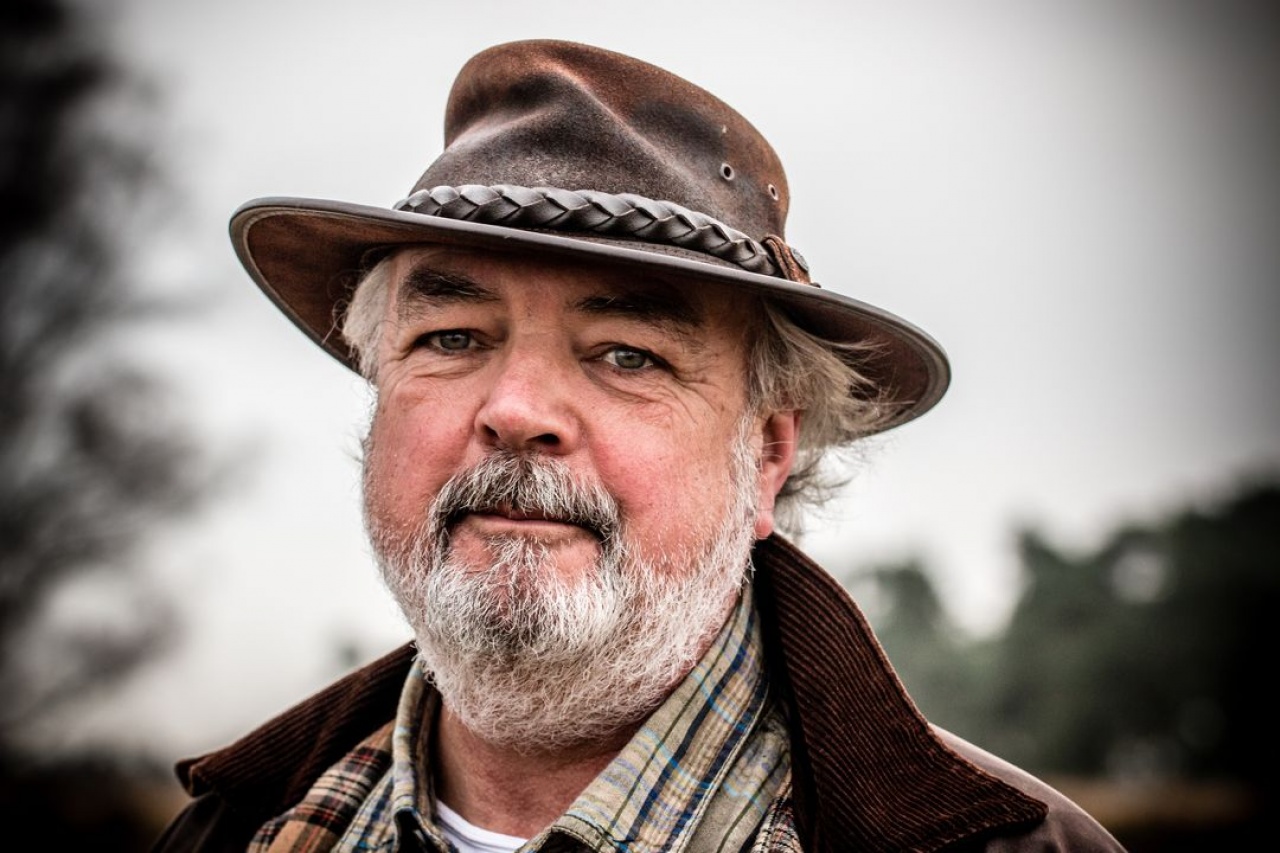
Being a farmer, observing nature is something I've been doing my whole life. Now that I'm retired, I follow my second passion, bee-keeping. On the Spot-A-Bee app, I can talk to a community of young people with similar interests - minus the hard work of actual farming.
Joseph from Spot-A-Bee
Jane from Nature's Calendar
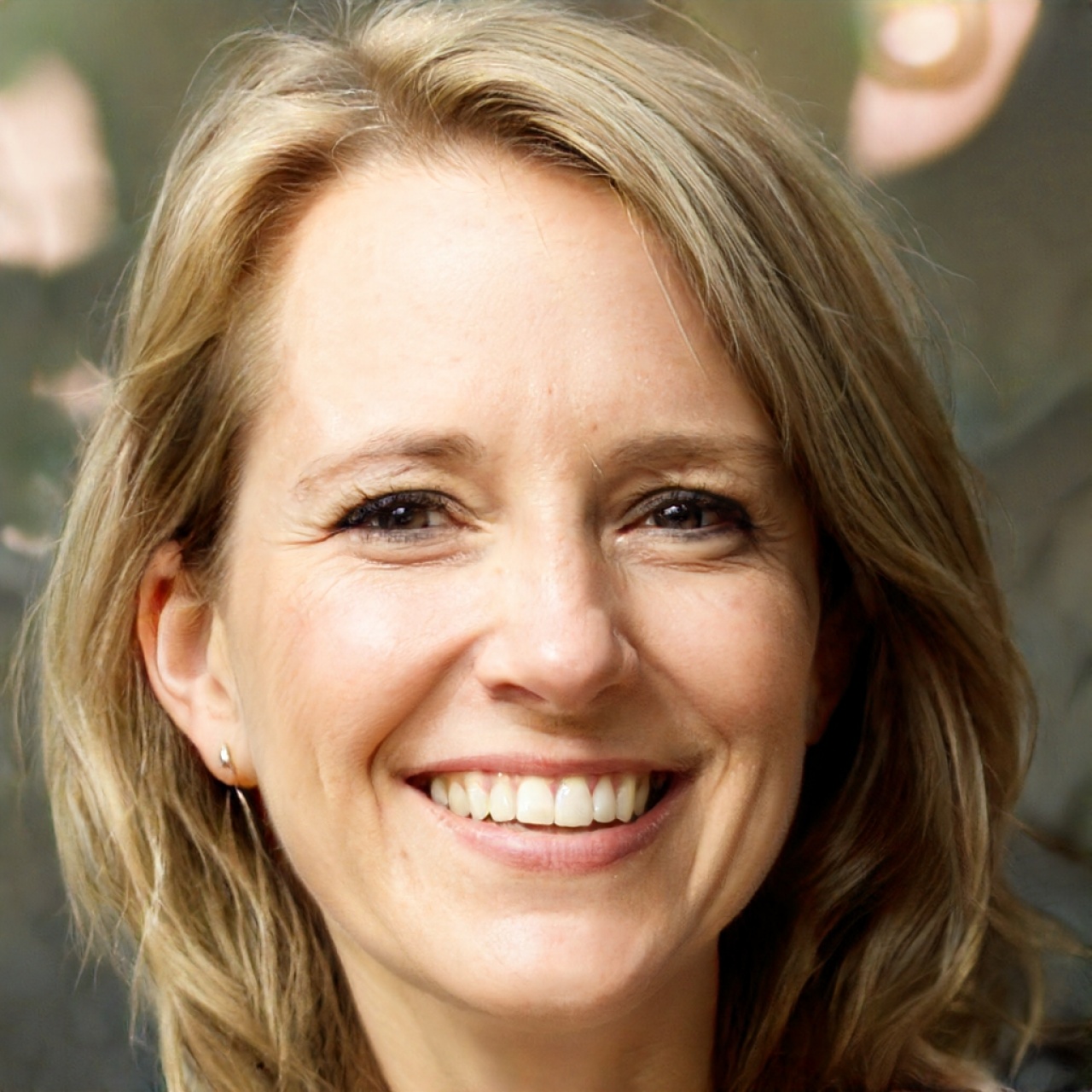
The apps on SPOTTERON have inspired me to take up a new hobby during the lockdown! Now, going out into the forest by myself is more fun and feels less lonely, and like there is more purpose to it, as I learn so much about the nature surrounding us.
Jane from Nature's Calendar
In times of Covid-19
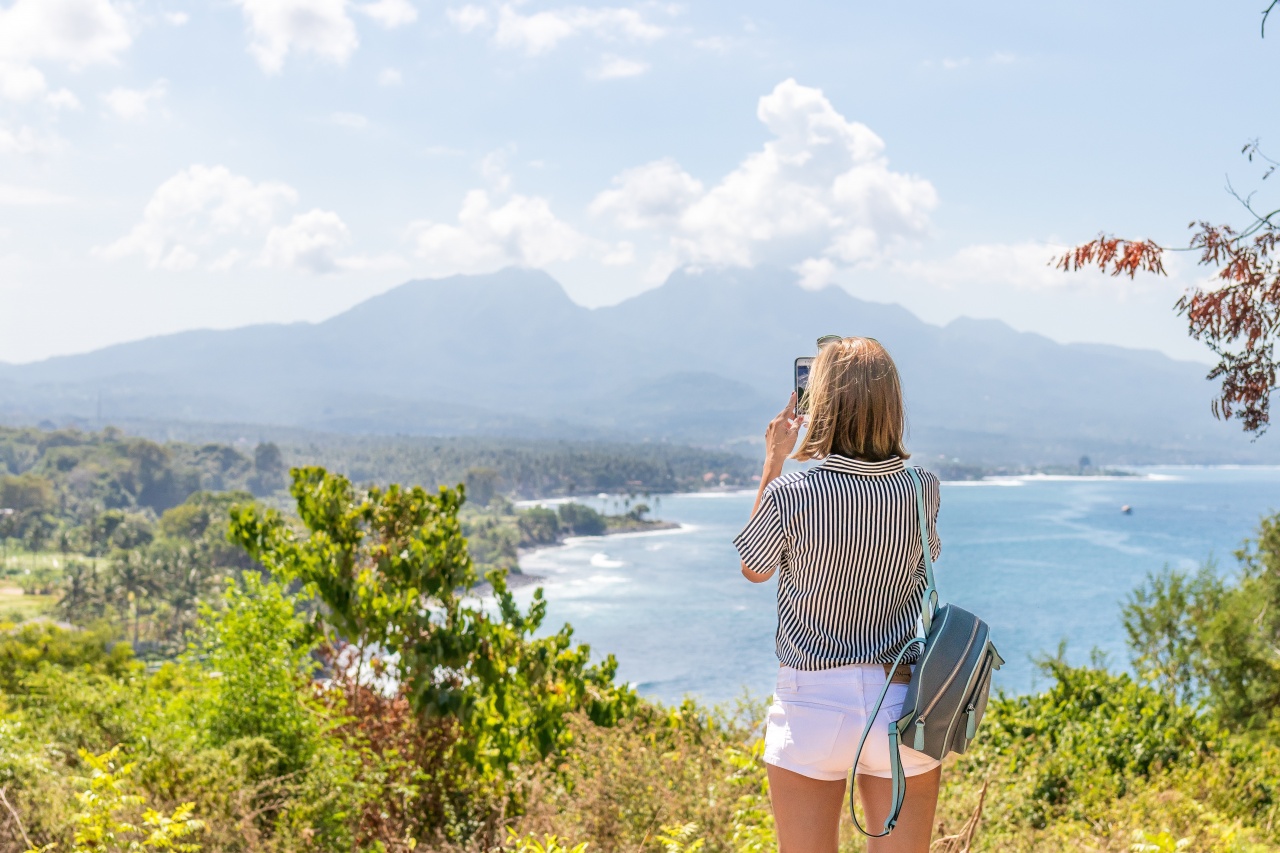
Exploring your world with Spotteron Apps in these current times is something, you can do safely. Not only is going out into the fresh air beneficial for your health, but it is also a chance to escape the current everyday routine of staying at home most of the time.
While spotting, you can easily keep your distance to others, and you can go out into the wild without being surrounded by other people on a close quarter. But you won't be alone! In the apps, you will find a community of people like you, with an adventurous spirit, who are interested in similar topics as you.
Please stay safe - always watch your steps and take care of others. Keep the physical distance and do not put yourself at risk. But also enjoy walking out into nature and discover new things with your SPOTTERON apps.
With your contributions to the apps, you not only help important projects by making observations, but you also share what you find out there with other like-minded people. Let's explore and discover your world together!

If you want to share your experiences with the current Covid-19 crisis, please check out his app:
First steps
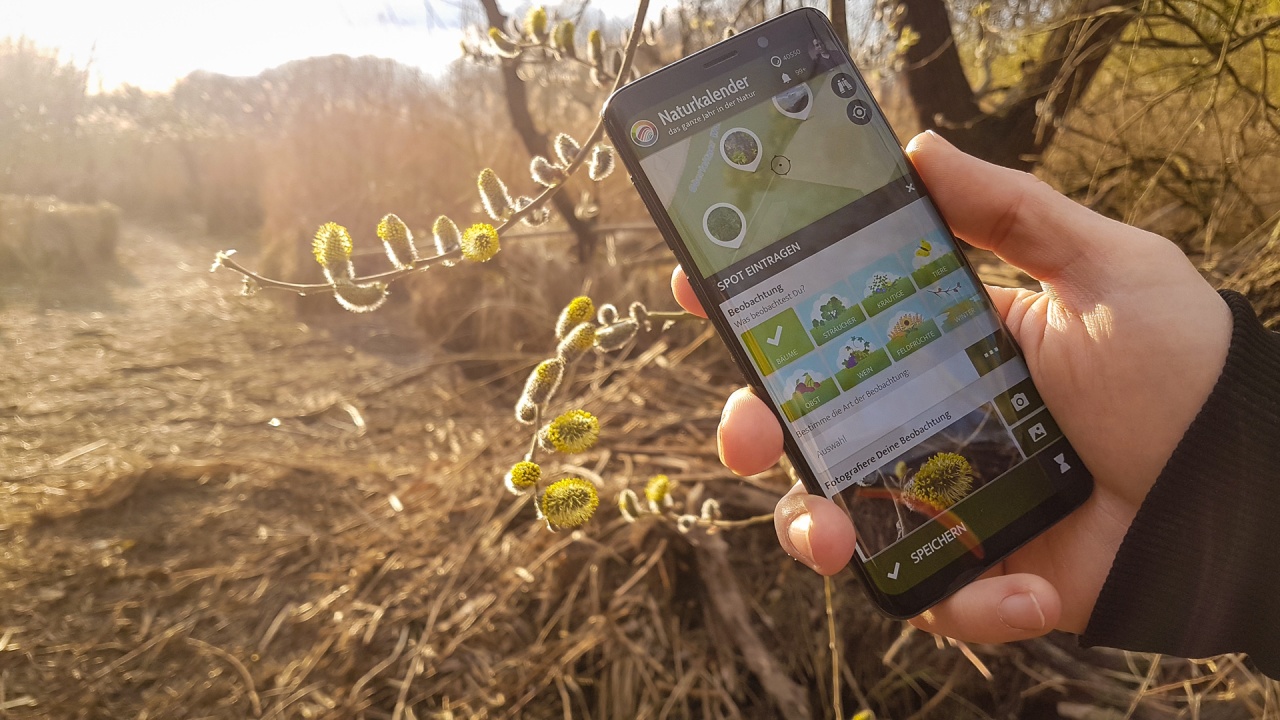
With SPOTTERON, you can explore the world together with ohers and post your dicoveries in apps. Each app has a topic and you can login with you user account in all of them. Starting on is easy:
 Choose your app:
Select a topic that interests you and download the app in the app store of your phone. Find all the apps here.
 Install the App on your Smartphone:
Follow your phone's instructions.
 Login and start spotting!
Create a user account and log in. You can use the same account across all the apps on the SPOTTERON platform.
Start on with SPOTTERON!
Our Outdoors

Our Outdoors is a citizen science project which aims to find out more about what you and others experience when you are in public spaces such as parks, beaches, canals, and town squares. It was developed by researchers in the Scottish Collaboration of Public Health Research and Practice (SCPHRP) at the University of Edinburgh in partnership with Sustrans, the MRC and citizens like yourself.
Improving environments with Citizen Science
By taking part in the research you will contribute will contribute to a national database, which will be used to rate and improve outdoor spaces across the country. he data can be used to create maps, reports and research for citizens, researchers and policy makers alike, to better understand how shared public spaces contribute to the health of communities and which need improving.

Please visit the website about the SPOTTERON Platform on www.spotteron.net
This website uses no external trackers, no analytics, just session cookies and values your online privacy.